What to look for in nuts
Start with your main priority: energy per portion, total fat, how the nuts are prepared or choosing an unsalted option. Then compare the nutrition information for the exact pack you’re considering.
| What to consider |
What to look for |
Who is this relevant to? |
| Energy per portion |
Kcal per 100 g and the weight in grams that you eat. |
If I want to know how much energy is in my snack portion, I check both the label and the weight I’ve measured out. Around 34% of consumers in this breakdown prioritise calories per portion. |
| Total fat |
Grams of total fat per 100 g and per portion you eat; check saturated fat separately. |
If my main priority is keeping an eye on my total fat intake, comparing the same quantity makes this easier. Around 33% of consumers in this breakdown prioritise total fat. |
| Preparation and ingredients |
How the nuts are described as being prepared, and the ingredients, including any added oil. |
If I’m looking for a simple ingredients list, I want to know how the nuts have been prepared and what has been added. Around 20% of consumers prioritise preparation and ingredients. |
| Unsalted option |
Check the exact variety, its salt content and the storage instructions after opening. |
If you’re mainly looking for an unsalted option to eat regularly, compare the product name with the salt content on the label. Around 13% of consumers in this breakdown have this priority. |
Joybuy products for mindful snacking
This selection includes chestnut kernels, cashews and peanuts. Compare the nutrition information for each exact variety, and choose a portion that suits your own priorities for energy and total fat.
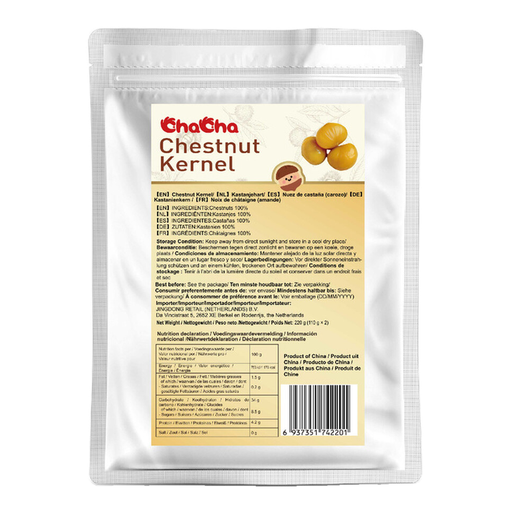 Image unavailable
ChaCha chestnut kernels 220 g
This chestnut option is worth comparing with other snack nuts if you want to weigh out your portion.
Pack weight: 220 g.
View at Joybuy
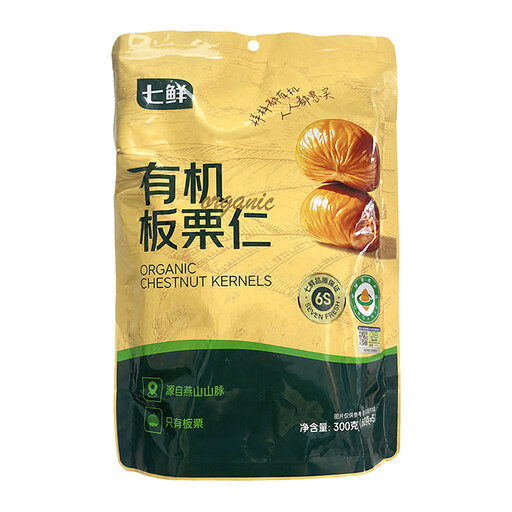 Image unavailable
7FRESH chestnut kernels 300 g
If you’re considering chestnuts, compare this variety’s nutrition information with the portion you plan to eat.
Pack weight: 300 g.
View at Joybuy
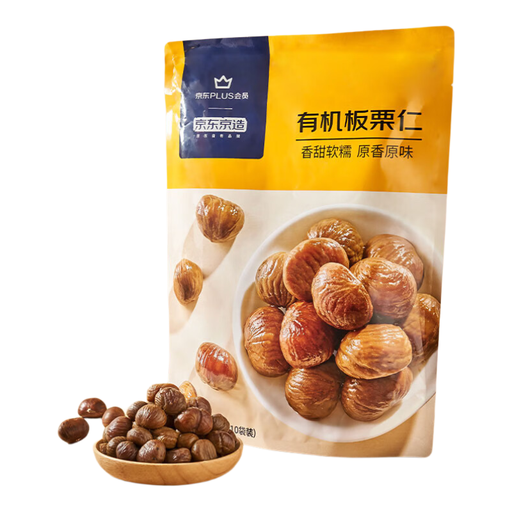 Image unavailable
J.ZAO S++ Grade chestnuts, 1 kg, 10 sachets, peeled and ready to eat
The individually packed sachets are worth considering if you want to portion them out separately.
The product name gives the pack size as 1 kg and 10 sachets; the chestnuts are peeled and ready to eat.
View at Joybuy
 Image unavailable
g'woon cashews, roasted and unsalted, 200 g
This variety may suit you if you’re looking for roasted, unsalted cashews; check the total fat separately on the label.
The product name gives the pack size as 200 g.
View at Joybuy
 Image unavailable
Verse Extra Large roasted peanuts 210 g
If you’re considering roasted peanuts, compare the nutrition information per 100 g and work out the values for your own portion.
The product name specifies Extra Large and a pack size of 210 g.
View at Joybuy
Frequently asked questions
Can a small portion of plain nuts be described as ‘low-calorie’ or ‘low-fat’?
No, a small portion alone isn’t grounds for making those product claims. According to the European Commission, solid foods must contain no more than 40 kcal (170 kJ) per 100 g to make a low-energy claim, and no more than 3 g of fat per 100 g to make a low-fat claim. These are requirements for commercial claims, not personal daily limits.
Is 25 grams a fixed portion size for an individual diet?
No, 25 g isn’t a personal dietary limit. The Netherlands Nutrition Centre uses this weight as a typical handful in its nutrition information, and Albert Heijn lists it as a portion for the cashews reviewed. If you’re following a prescribed diet, the amount should fit your individual requirements.
What should I check if I have a peanut or nut allergy?
Check the allergens listed in the ingredients and any warnings about possible cross-contamination on the exact pack. The NVWA explains allergen labelling and states that new rules on precautionary allergen warnings come into force on 1 January 2026. This buying guide can’t confirm that a product is safe for a specific allergy.
How should I store nuts once they’re open?
Follow the storage instructions on the pack and keep nuts in a dry place in a tightly sealed container. The Netherlands Nutrition Centre recommends storing them somewhere cool, for example at 10 to 15 °C. For the cashews reviewed, Albert Heijn recommends cool, dark and dry storage, and closing the pack securely after use.
Are whole nuts suitable as a snack for young children?
Not without considering the risk of choking. The AH and Jumbo product pages reviewed warn about this for whole nuts, so don’t assume these products are suitable snacks for children.


