
Vandaag of morgen in huis

Kwaliteit gegarandeerd

Welkomstaanbiedingen ontgrendelen: GRATIS bezorging | Tot 80% korting | Gratis 30 dagen JoyPlus-proefperiode
Download de app
Buying nuts seems simple, until you have to choose between raw, roasted, salted or unsalted varieties. The packaging can also be misleading: a large bag may look like good value, but it is less practical if the contents quickly lose their crunch. And an appealing flavour variety may contain more sugar, salt or flavourings than you expect.
This practical checklist helps you compare cashews, walnuts, pistachios, almonds, macadamia nuts, pine nuts and seeds based on verifiable information. That way, you can find a variety suited to snacking, baking, cooking, sharing drinks or giving as a gift.
A 500-gram bag or a bulk pack of nuts often has a lower price per 100 grams than smaller bags. However, the contents are not automatically better value. Always check:
For example, a nut mix may contain a significant proportion of dried fruit, sugar, oil or herbs and spices.
Words such as “natural”, “premium”, “healthy” or “rich source” do not always give a complete picture. It is better to check the ingredients list and nutrition table. According to a brand’s own research, for example, a product may be presented as nutritious or suitable for an active lifestyle; that is not an independently established judgement.
A product containing 100% almonds has a different composition from roasted nuts with oil and salt. With salted nuts, the salt content is particularly relevant. For flavoured varieties, also check the sugar, sweeteners and flavour enhancers.
Raw walnuts in their shells require preparation, while ready-to-eat chestnuts can be eaten straight away. Roasted nuts are convenient for eating on the go, but may contain oil or extra salt. A large bag is suitable for a family or regular baking, while small individual portions are more practical for work, school or travelling.
Ingredients are listed in descending order by quantity. Look out for additions such as palm oil, sugar, glucose syrup, seasoning blends and flavourings. Also check the allergen information. Cashews, walnuts, almonds, pistachios, macadamia nuts and pine nuts are classed as tree-nut allergens. Peanuts are a separate allergen.
Mixed packs may also contain milk, gluten or sesame. For example, according to the product information, the ChaCha Assorted Nuts Mega Pack contains several types of nuts, wheat, milk and sesame. This makes the mix less suitable if you want to avoid one or more of these ingredients.
Always compare products per 100 grams, not just per serving. This allows you to see differences in:
Nuts are naturally relatively high in energy. On its own, this says nothing about whether they are suitable for your eating pattern. Use the table mainly to compare varieties with one another, and adjust the portion size to suit your own preferences.
A 500-gram pack is useful for baking, salads or a household in which several people regularly eat nuts. For occasional use, 100 to 250 grams may be more practical. Individual bags make it easier to take portions with you and prevent the entire supply from being opened repeatedly.
Nuts should generally be stored somewhere cool and dry, away from direct sunlight. Seal the packaging securely after opening. If a product has specific instructions, such as refrigeration or consuming immediately after opening, always follow the label.
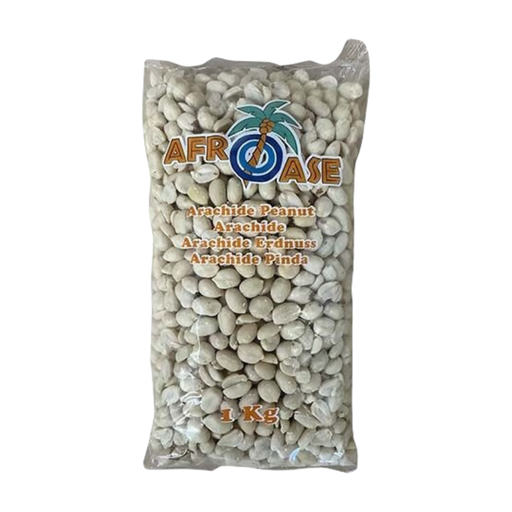
Why it suits this profile: The kilogram pack is suitable for families, regular snacking or use in recipes. Variants include raw, roasted and sugared peanuts.
You can check the variety and ingredients in advance instead of relying solely on a flavour claim. Do remember to consider storage after opening.
1 kg net weight; a choice of raw, roasted and sugared varieties; suitable for snacking and baking.
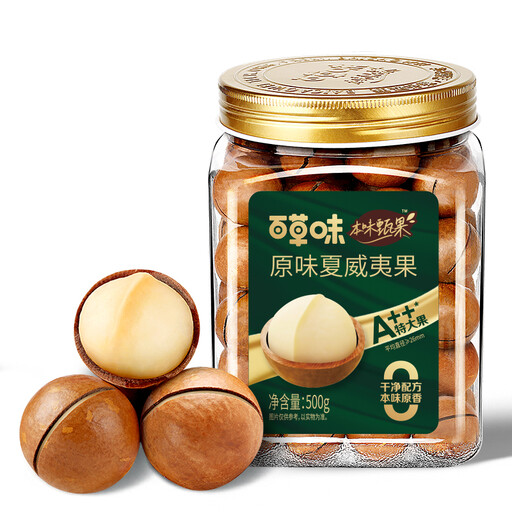
Why it suits this profile: According to the product information, these unsalted macadamia nuts consist of 100% macadamia nuts and are suitable for baking, desserts or enjoying as a snack.
The ingredients list is short and clear. According to the description, there are no added flavourings, sugar or salt.
500 g; 100% macadamia nuts according to the product information; no added salt or sugar coating.
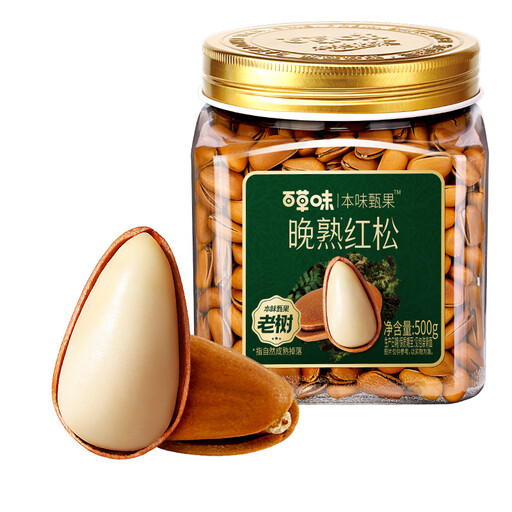
Why it suits this profile: The large pack is practical for pesto, salads, garnishing, baking and regular cooking.
The product information states that it contains at least 95% pine nuts and makes clear that the nuts are lightly roasted with vegetable oil.
500 g; at least 95% pine nuts; ready to eat and suitable as an ingredient.
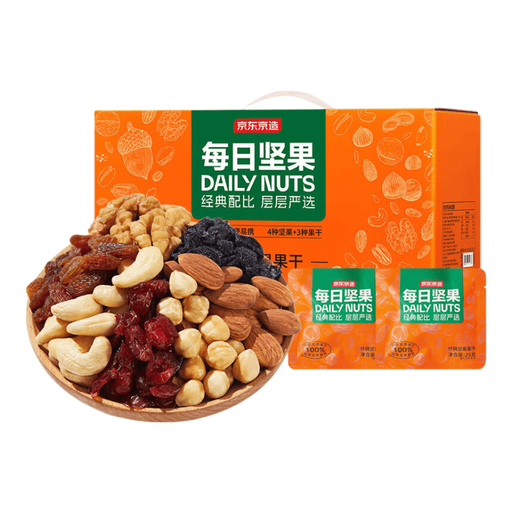
Why it suits this profile: The mix consists of 30 individual 25-gram sachets. This makes it easy to organise for travelling, the office or as a shareable gift.
The portion size and composition are clearly stated. However, check the dried cranberries and any potential nut allergens before ordering.
750 g total; 30 sachets of 25 g; a mix of nuts and dried fruit; salt content according to the product information: 0.02 g per 100 g.
We have put together a complete, up-to-date list of products that fully meet these strict selection criteria and the applicable European safety regulations.
A bulk pack can be cheaper per 100 grams, particularly if you use nuts regularly. Calculate this using the net weight and store the opened bag in an airtight container. If you only eat nuts occasionally, smaller packs may help to reduce waste.
This varies by product, preparation method and storage conditions. The packaging contains the official shelf-life information. Seal the bag securely, store it somewhere cool and dry, and after opening, check for any unusual smell, flavour or texture. Do not use products with damaged packaging.
Not necessarily. Unsalted nuts generally contain no added salt, but their nutritional value and energy content still depend on the product. Choose according to how you plan to use them, check the ingredients list and compare the nutrition table per 100 grams.
