Choose nuts based on the fat and energy content of the exact variant, as well as the portion you actually eat; unsalted or oven-roasted does not automatically mean low in fat. Then choose packaging to suit how quickly you’ll use it and how you can store it. If a product claims to contain less fat, check what it is being compared with.
Who is this buying guide for?
Shoppers comparing fat content
You want to know how much fat the exact variant contains and which product a ‘reduced fat’ claim compares it with. For solid foods, the European Commission sets a maximum of 3 g of fat per 100 g for a ‘low fat’ claim; a relative reduction is a different thing.
Shoppers stocking up on nuts
You eat nuts regularly and want to choose a pack size that suits how quickly you’ll use them and the storage instructions. A larger bag isn’t necessarily a better choice if you won’t use it in time.
Shoppers looking to manage their snack portions
You want to keep eating regular nuts while having better control over how much you take. Compare the nutrition information per 100 g, then consider the portion you actually eat.
What should you look for when buying?
First check the fat content and what the product is being compared with. Then decide on your usual portion and choose a pack that suits how quickly you’ll use it and the storage space you have.
| What to consider |
What should you check? |
Who is this important for? |
| Fat content and claims |
Fat in g per 100 g for the exact variant; the full claim and the product it names for comparison. |
If reduced fat is my top priority, I want to know how much fat the variant actually contains and what the claim compares it with. Around 28% of shoppers put a demonstrable reduction in fat first. |
| Pack size |
Net weight and how many portions it provides; also check that you’re comparing the same variant. |
I buy nuts regularly and want to avoid leaving a large pack unused. Around 22% of shoppers prioritise a quantity that suits how quickly they’ll use it. |
| Storage after opening |
The instructions on the pack and whether the bag can be properly resealed after use. |
If I eat nuts slowly, I want to know how to store the opened bag. Around 22% of shoppers prioritise suitable storage conditions. |
| Portion and nutrition information |
The portion weight in grams and the amount of fat and energy in that same portion. |
I want to limit the amount I snack on without pretending that a smaller portion changes the composition of the nuts. Around 17% of shoppers prioritise portion control. |
| Allergens |
Ingredients, allergen information and any warnings on the specific pack. |
If I’m stocking up for several people, I want to check the information for every variant. Around 11% of shoppers put checking allergens first. |
For prepacked products, allergen information must appear on the label, according to the Netherlands Food and Consumer Product Safety Authority (NVWA). The NVWA treats peanuts and nuts as separate allergens.
Common buying mistakes
-
Assuming ‘reduced fat’ means ‘low fat’
A product can contain less fat than a named comparison product and still be well above the limit for a ‘low fat’ claim. For example, a historical Duyvis variant at Albert Heijn listed 21 g of fat per 100 g and claimed to contain 30% less fat.
Read both the full comparison claim and the absolute fat content per 100 g. For solid foods, the European Commission sets a maximum of 3 g of fat per 100 g for a ‘low fat’ claim.
-
Assuming ‘unsalted’ means ‘no added oil’
On its own, ‘unsalted’ says nothing about the oil used or the fat content. The 170 g AH cashew nuts list cashews and sunflower oil as ingredients.
Check the ingredients and nutrition information for the exact variant; don’t assume how it has been prepared based on the word ‘unsalted’.
-
Automatically choosing the largest pack
A large bag is only practical if you can use its contents in time and store them as instructed. Any leftovers you don’t use could go to waste.
Choose a pack size that suits how quickly you’ll use it, and only compare variants with the same type of nut and preparation method.
-
Applying the same storage advice to every nut snack
Storage instructions and shelf life can vary by product and packaging. For example, the Netherlands Nutrition Centre provides advice for mixed unsalted nuts; it doesn’t automatically apply to every seasoned or mixed snack.
Follow the instructions on your product’s packaging and reseal an opened bag as directed.
Brands to consider
Duyvis
Relevant if you’re comparing a borrelnoot with a relative fat claim against regular oven-roasted nuts.
- A historical Albert Heijn product page describes a 30% reduced-fat claim for Duyvis Oven Roasted Borrelnoten Herbs&Onion, compared with regular peanuts in a crispy coating, on average in the Netherlands.
- Albert Heijn lists this specific 200 g variant as discontinued. The claim doesn’t mean the product is low in fat and doesn’t automatically apply to other Duyvis products.
Albert Heijn
Own-brand cashews provide a reference for the ingredients and nutrition information of a specific unsalted variant.
- The 170 g pack reviewed lists 96% cashews, sunflower oil and 50 g of fat per 100 g.
- Here, ‘unsalted’ doesn’t mean ‘no added oil’ or ‘low fat’; assess the ingredients and nutrition information separately.
Jumbo
A 500 g pack of unsalted cashews as a reference for stocking up.
- The product information lists 48.6 g of fat per 100 g and advises storing the product in a cool, dry, dark place.
- The nutrition information doesn’t support a low-fat claim. Check the instructions on the pack you buy.
Lidl
Alesto is Lidl’s own brand for products including cashews, walnuts and other nuts.
- The brand and range information can help you recognise Alesto products in store.
- A general brand description doesn’t prove that a specific pack contains less fat. Check the details for the variant you choose.
ALDI
Trader Joe’s cashews in different pack sizes as a reference for stocking up.
- The product information for the 250 g pack describes roasted, unsalted cashews; the 500 g product range includes salted and unsalted variants.
- The variants aren’t identical. Check the pack size and whether the cashews are salted or unsalted before comparing them.
PLUS
A 200 g pack of unroasted, unsalted cashews as an example of a short ingredients list.
- The product information lists cashews as the ingredient and states 46.5 g of fat per 100 g.
- Unroasted and unsalted don’t prove that a product contains less fat. The pack also states that it may contain peanuts.
Nut products at Joybuy
These Joybuy products are suitable for stocking up on nuts and portioning them out. Check the fat content for the exact variant: the values shown don’t support a ‘low fat’ claim.
 No image available
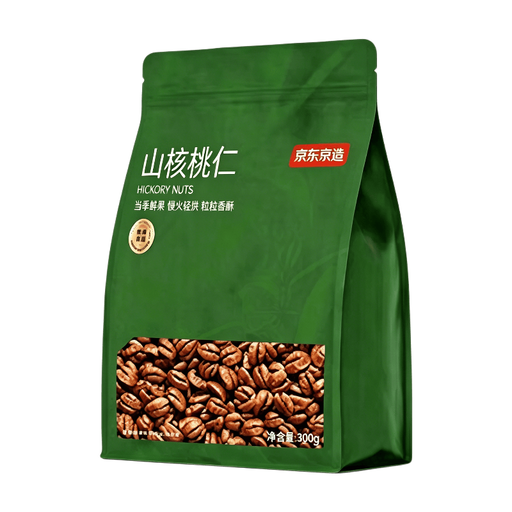
J.ZAO Hickory Nuts 300 g, Lin’an Small Hickory Kernels
The individual portions may suit anyone who wants to portion out nuts in advance or take them on the go.
The pack contains 300 g; the product information states that it comes in individual portions. The stated fat content is 46.4 g per 100 g, above the maximum of 3 g per 100 g set by the European Commission for a ‘low fat’ claim on solid foods.
Contains hickory nuts.
View at Joybuy
 No image available
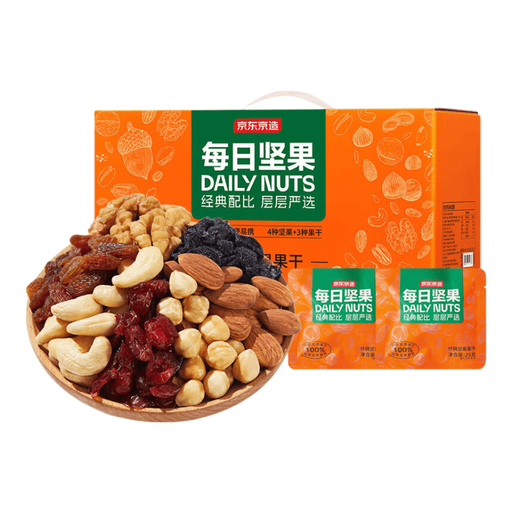
J.ZAO Classic Daily-Nut Mix 750 g, 30 sachets
The individual sachets may suit anyone who wants to portion out nuts for their stock cupboard.
The pack contains 750 g split between 30 sachets of 25 g each. The mix contains walnuts, almonds, cashews, hazelnuts and dried fruit. The stated fat content is 40.7 g per 100 g, above the maximum of 3 g per 100 g set by the European Commission for a ‘low fat’ claim on solid foods.
Contains walnuts, almonds, cashews and hazelnuts.
View at Joybuy
 No image available
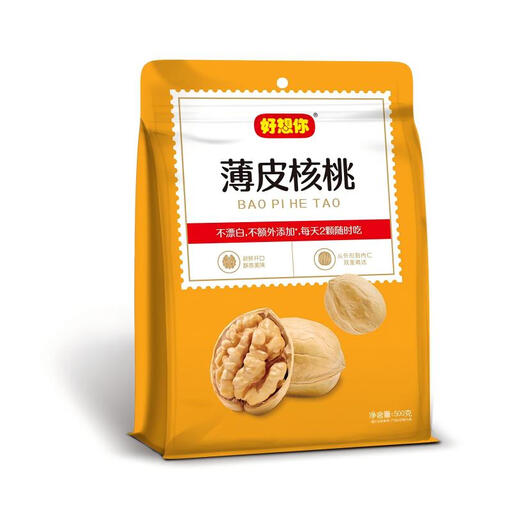
Haoxiangni Thin-Shelled Walnuts 500 g, 8 packs
This pack may suit anyone looking to stock up on walnuts and crack them open themselves.
The product information lists 500 g in 8 packs. The hard shells need to be cracked before eating; the stated storage temperature is 0–4 °C. The stated fat content is 66.2 g per 100 g, above the maximum of 3 g per 100 g set by the European Commission for a ‘low fat’ claim on solid foods.
Contains walnuts.
View at Joybuy
 No image available
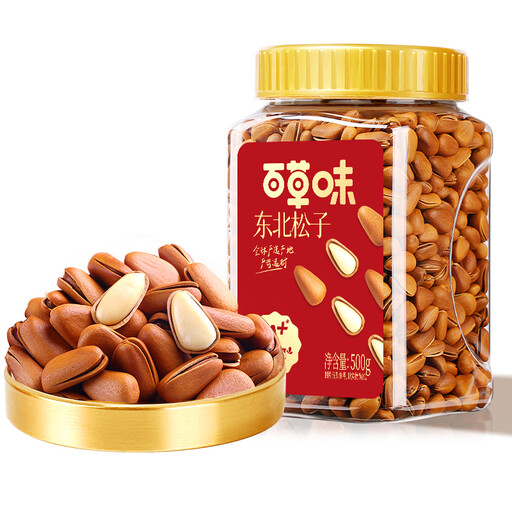
BE&CHEERY Northeast Pine Nuts 500 g
The 500 g pack suits anyone who uses pine nuts as a store-cupboard staple or ingredient.
The product description suggests enjoying them as a snack or using them as an ingredient, and recommends eating them soon after opening. The stated fat content is 77.6 g per 100 g, above the maximum of 3 g per 100 g set by the European Commission for a ‘low fat’ claim on solid foods.
Contains pine nuts.
View at Joybuy
 No image available
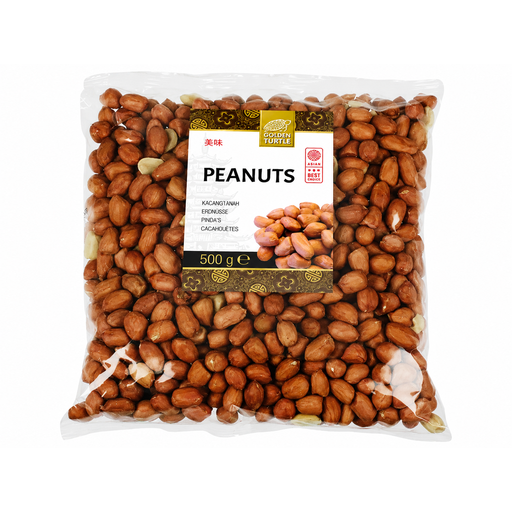
Golden Turtle Premium Raw Peanuts with Skin 500 g
The unroasted peanuts may suit anyone looking to stock up on an ingredient in a larger quantity.
The pack contains 500 g; the peanuts are unroasted and skin-on. The product description suggests roasting them as a way to prepare them as a snack. The stated fat content is 49 g per 100 g, above the maximum of 3 g per 100 g set by the European Commission for a ‘low fat’ claim on solid foods.
Contains peanuts.
View at Joybuy
Frequently asked questions
When are nuts ‘low fat’?
For solid foods, the European Commission sets a maximum of 3 g of fat per 100 g for a ‘low fat’ claim. Compare this limit with the label for the exact variant; a ‘reduced fat’ claim isn’t the same as a ‘low fat’ claim.
What does a ‘reduced fat’ claim mean?
A ‘reduced fat’ claim refers to a comparison with another product; it doesn’t automatically mean the product has a low absolute fat content. The Dutch Bakery Centre describes a ‘reduced content’ claim as requiring a reduction of at least 30% compared with similar products. For a specific pack, check the full claim and the product it names for comparison.
How can you divide a large bag into portions?
Divide the net weight by your chosen portion size. For example, a 500 g bag gives you twenty 25 g portions. Then calculate fat and energy using the nutrition information for that same variant; this is a calculation example, not individual dietary advice.
How should you store opened nuts?
Follow the instructions on the pack for the specific variant. For mixed unsalted nuts, the Netherlands Nutrition Centre advises storing them for 6 months in a kitchen cupboard or 1 year in the freezer after opening; these time limits don’t automatically apply to every seasoned or mixed snack.
Where can you check for allergens in nuts?
Read the allergen information on the packaging for each variant. According to the Netherlands Food and Consumer Product Safety Authority, this information must appear on the label of prepacked products; peanuts and nuts are listed separately. Also check the ingredients and any warnings about possible traces.


