
Hosts who keep an eye on portions
You want to serve nuts and work out in advance how much energy your weighed portion contains. Compare the nutritional values per 100 g and decide how many grams to serve.


To find out how much energy you’re serving, weigh your party portion and calculate it using the kcal per 100 g on the label. A smaller portion or an unsalted option doesn’t make regular nuts low in calories: salt, flavour, allergens and the presence of children each need to be considered separately.
You want to serve nuts and work out in advance how much energy your weighed portion contains. Compare the nutritional values per 100 g and decide how many grams to serve.
You’re looking for an unsalted option, but don’t want to confuse this with a lower energy content. Check the exact product variant and look at energy and salt separately.
If you have guests with allergies or children at the table, ingredients, warnings and the way you serve nuts all matter. Read the label, and bear in mind the choking risk posed to children by whole nuts and peanuts.
First decide on the portion size, then compare the nutritional values. Check salt, ingredients and suitability for your guests separately. The Netherlands Nutrition Centre gives 164 kcal as the value for a 25 g reference handful of unsalted nuts; your own party portion may weigh a different amount.
| What to consider | What to look for | Who is this important for? |
|---|---|---|
| Energy in your portion | Weigh the portion and calculate kcal per 100 g × portion weight in grams ÷ 100. | If I want to know how much energy my party portion contains, I weigh the nuts and calculate it using the value on the label. Around 42% of consumers prioritise calories per portion. |
| Salt and product variant | Check the product variant’s name, ingredients and salt value per 100 g; unsalted doesn’t automatically mean zero sodium. | If I’m watching my salt intake, I choose an unsalted option but check the energy content separately. Around 25% of consumers say salt is their main concern when buying. |
| Flavour and serving | Check which types are in a mix, whether salt or oil has been added, and how many grams are in the pack. | For a birthday party, I want a variety of options on the table and portions that are easy to serve, without assuming that roasting means less energy. Around 17% of consumers prioritise flavour and ease of serving. |
| Suitability for your guests | Read the ingredients and any cross-contamination warnings; consider the form of the snack when children are present. | If children or guests with allergies are coming, I want to know which ingredients and warnings apply before serving. Around 16% of consumers prioritise suitability for their guests. |
These terms describe the salt content or how the nuts are prepared, not their energy content. A smaller portion doesn’t change the product’s nutritional value per 100 g either.
Check energy, salt and preparation method separately, then calculate the nutritional value for the weight you’re serving.
The Netherlands Nutrition Centre uses 25 g as a reference handful on its nutritional information page. The amount you serve yourself may not weigh exactly that much.
Weigh a sample portion if you want to calculate its energy content, and note how many grams you used.
A product name doesn’t always mention possible traces of other allergens. For example, PLUS Unsalted, Unroasted Cashews states that the product may contain peanuts.
Read the full ingredients list and warnings, and make sure the food you offer is suitable for what your guest needs to avoid. A different type of nut isn’t automatically a safe substitute.
A guest who needs to avoid a particular allergen may need a separate snack.
The product range reviewed includes unsalted peanuts and Cashews Original.
The AH products reviewed include unsalted almonds and an unsalted nut mix.
The product page reviewed is for Jumbo Unsalted Cashews, 200 g.
Lidl has the Alesto range of nuts and dried fruit, including cashews.
The Dutch product page reviewed is for Trader Joe's roasted, unsalted cashews, 250 g.
The product page reviewed is for PLUS Unsalted, Unroasted Cashews in a 200 g bag.
This product selection includes almonds, cashews, a nut mix and peanuts. Compare the nutritional values and ingredients listed for each specific variant, then decide on the portion size for your party table.
 No image available
A good fit if you want to serve a weighed portion of almonds and are looking for an unsalted option.
The product information lists 591 kcal and 0.03 g of salt per 100 g. Contains almonds.
 No image available
An option if you want to serve almonds in weighed portions.
The product information lists 578 kcal and 0.00 g of salt per 100 g, and names almonds as the only ingredient. Contains almonds.
 No image available
A good fit if you want to serve roasted cashews and weigh out the portion too.
The product information lists 596 kcal and 0.067 g of salt per 100 g. Contains cashews.
 No image available
An option if you want to serve a selection and weigh out the portions.
The product information lists 615 kcal and 0 g of salt per 100 g. The ingredients list includes peanuts, almonds, cashews, Brazil nuts and hazelnuts.
Contains several types of nuts and peanuts; check the ingredients and warnings if you have guests with allergies.
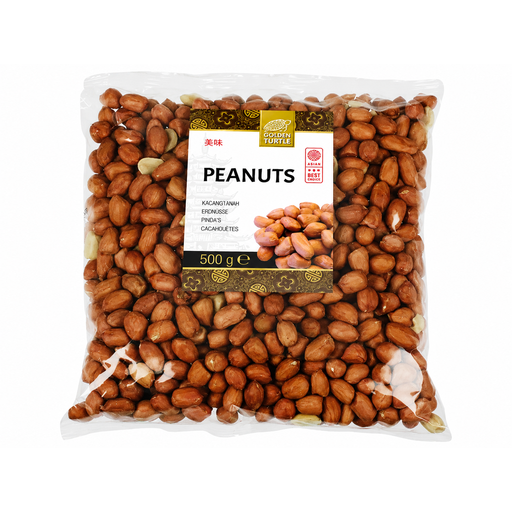 No image available
A good fit if you want to serve peanuts with their skins on and choose the portion size and preparation method yourself.
The product information lists 567 kcal per 100 g and describes the peanuts as unroasted. For a roasted snack, it recommends roasting them as a preparation method.
The product information states that cashews may be present. Also take into account any guests who need to avoid peanuts.
No. Unsalted describes the salt content, not the energy content. A smaller portion doesn’t change the product’s energy per 100 g; use the nutritional values and the actual weight you’ve measured to work out the amount you’re serving. The European Union’s Your Europe website states that nutrition claims must not be misleading and must meet the applicable definition.
Multiply the kcal per 100 g by your chosen weight in grams, then divide by 100. For the PLUS Unsalted, Unroasted Cashews reviewed, 15 g works out at 89.7 kcal, based on the 598 kcal per 100 g listed by PLUS. This 15 g amount is an example serving, not general dietary advice.
Read the ingredients list and warnings on the packaging of the exact variant. The NVWA states that allergen information for prepacked products must be shown on the label; peanuts and nuts are listed as separate allergens. Keep the packaging so guests can check the product information.
Whole nuts and peanuts need extra care around children because of the risk of choking. The Netherlands Nutrition Centre advises children to eat while sitting calmly and recommends staying nearby; choose a way of serving that’s suitable for the children at the table.
Do not eat the 170 g pack of Trader Joe's unsalted cashews with barcode 2003020120930 and a best-before date of 23-09-2026. The NVWA warning of 20 May 2026 concerned possible metal fragments in that specific pack. The stated best-before date has passed, but the warning doesn’t automatically apply to other packs.