What should you look for when buying?
First, work out the energy in the portion you plan to serve. Then consider salt, preparation method and suitability for your guests as separate buying criteria.
| What to consider |
What should you check? |
Who is this important for? |
| Energy per portion |
Check the kcal per 100 g and weigh the portion; calculate kcal per 100 g × portion weight ÷ 100. |
If you want to know what’s in the bowl, check both the nutritional information and the weight you actually serve. Around 40% of consumers put calculated energy per portion first. |
| Unsalted variety |
Check the ingredients, salt content and nutrition table for the exact mix. |
If you want to offer a variety without added salt, assess the mix you’ve chosen and consider energy separately from salt. Around 20% of consumers prioritise unsalted variety. |
| Preparation and flavour |
Check whether the nuts are unroasted, roasted, oven-baked or coated, and compare the nutritional information. |
If roasted flavour influences your choice, the preparation method alone doesn’t tell you how much energy the product contains. Around 20% of consumers put party-friendly flavour and preparation method first. |
| Suitability for guests |
Check the ingredients and precautionary warnings; don’t offer whole nuts to children under 4. |
If a guest has an allergy or young children will be there, you’ll want to know in advance what’s in the bowl and what alternative you need. Around 20% of consumers prioritise requirements related to their guests. |
Nuts at Joybuy
These Joybuy products are nuts for a party spread. Use the nutritional information per 100 g and the weight of your portion to calculate its energy content.
 No image available
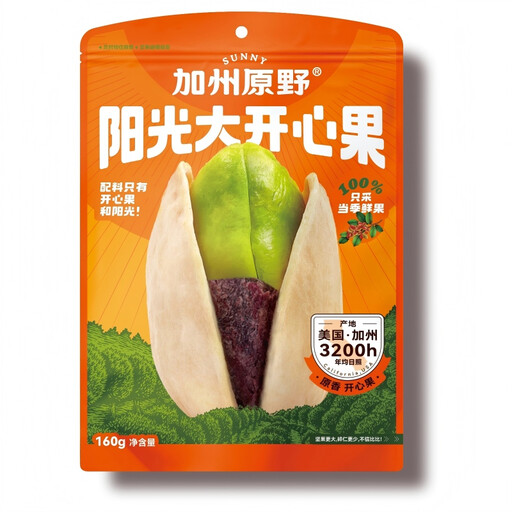
Jiazhouyuanye Pistachios 160 g
The product information gives you what you need to calculate the energy in a weighed portion of pistachios.
602 kcal and 1.5 g of salt per 100 g.
The product information lists pistachio as an allergen. For children under 4, the Netherlands Nutrition Centre recommends nut butter instead of whole nuts.
View at Joybuy
 No image available
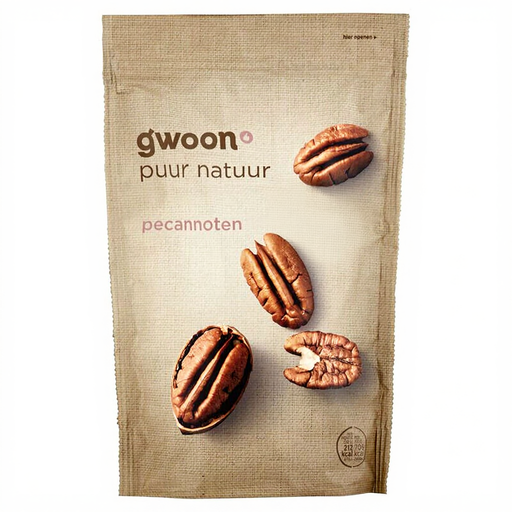
g'woon Unroasted Pecans 200 g
If you’re considering pecans as a party snack, use the stated value per 100 g to calculate the energy in a weighed portion.
The ingredients list 100% pecans; the nutritional information states 706 kcal and 0.025 g of salt per 100 g.
The product information warns that traces of peanuts and other nuts may be present. For children under 4, the Netherlands Nutrition Centre recommends nut butter instead of whole nuts.
View at Joybuy
 No image available
g'woon Raw Unsalted Almonds 200 g
This variety is an option if you’re looking for raw, unsalted almonds; calculate the energy in your portion using the actual serving weight.
The nutritional information states 591 kcal and 0.03 g of salt per 100 g.
The ingredients list almonds as the sole ingredient. For children under 4, the Netherlands Nutrition Centre recommends nut butter instead of whole nuts.
View at Joybuy
 No image available
g'woon Roasted Unsalted Cashews 200 g
If you’re looking for roasted cashews with no added salt, check the ingredients and calculate the energy in your weighed portion.
The nutritional information states 596 kcal and 0.067 g of salt per 100 g.
The product information lists cashews and tree nuts. For children under 4, the Netherlands Nutrition Centre recommends nut butter instead of whole nuts.
View at Joybuy
No image available
g'woon Unsalted Nut Mix 200 g
This mix is an option if you want to serve a selection of nuts; use the nutritional information on the pack to calculate the energy per portion.
The nutritional information states 615 kcal and 0 g of salt per 100 g. The ingredients include peanuts, almonds, cashews, Brazil nuts and hazelnuts.
For children under 4, the Netherlands Nutrition Centre recommends nut butter instead of whole nuts.
View at Joybuy
Frequently asked questions
Can you call nuts low-calorie if you only serve a small bowl?
No. Under the European Commission’s rules, a commercial claim with this meaning for solid foods in the EU requires a maximum of 40 kcal (170 kJ) per 100 g. You can state the calculated energy in a clearly defined portion without calling the product low-calorie.
How do you calculate the energy in a portion of nuts?
Multiply the kcal per 100 g shown on the packaging by the weight of your portion in grams, then divide by 100. Weigh the portion you serve; the nutritional information is an average, not a measurement of your portion.
Does ‘oven-baked with no added oil or fat’ mean that nuts contain less energy?
No. This describes how the product is made and doesn’t prove that it has a lower energy content. Separate EU conditions apply to claims that a product has reduced energy: its energy value must be at least 30% lower, and the characteristic responsible for the reduction must be stated, as explained by the European Commission.
What allergen information should you check on a nut mix?
Read the ingredients and precautionary warnings on the current label; a mix may contain different types of nuts. The Netherlands Food and Consumer Product Safety Authority lists peanuts and nuts as separate allergens. Dutch rules on cross-contamination warnings changed on 1 January 2026 and apply to manufacturers, packers and retailers.
Can children under 4 eat whole nuts from the same bowl?
The Netherlands Nutrition Centre recommends nut butter with no added sugar or salt instead of whole nuts for children under 4, due to the risk of choking. Keep whole nuts out of their reach and choose an alternative that’s suitable for the children present.


