
Vandaag of morgen in huis

Kwaliteit gegarandeerd

Welkomstaanbiedingen ontgrendelen: GRATIS bezorging | Tot 80% korting | Gratis 30 dagen JoyPlus-proefperiode
Download de app
Buying nuts and snacks online might seem straightforward, but an attractive packet doesn't always tell the full story. A product can look generous in the photo, yet contain only 100 grams. Likewise, words like “premium”, “natural” or “extra flavourful” mean little without checking the ingredients, quantity and allergens.
With this practical selection guide, you can compare salted peanuts, unsalted cashews, macadamia nuts, walnuts, pumpkin seeds, sunflower seeds and other sweet and savoury snacks based on verifiable information.
A large bag isn't automatically better value. Always check the net weight and, if you like, compare the price per 100 grams. A small pack can be handy for snacks on the go, while a 340 or 500 gram bag makes more sense for a party, your store cupboard or regular use.
Also pay attention to the packaging after opening. A resealable bag helps keep the product drier and crunchier, but it doesn't replace proper storage. Store nuts and snacks according to the label in a cool, dry place, away from sunlight and heat.
Marketing copy can draw attention to one ingredient, while the overall composition is broader. Sugared peanuts, for example, contain not only peanuts but also sugar, glucose syrup, oil and other additions. When choosing a snack, it's therefore more useful to look at the ingredients list and nutritional values per 100 grams.
Pay particular attention to:
Peanuts and tree nuts are separate allergen categories. In addition, snacks can contain wheat, milk, soya, sesame or other ingredients. So check the allergen information and the “may contain traces” warning before you buy. With international snacks, such as Japanese snacks, Asian snacks and Turkish snacks, labels can also be laid out differently. Use the product information and, when in doubt, always check the packaging.
The order of ingredients shows which components have the largest share. For a simple nut snack, for example, look for a short list with mainly nuts or seeds. A product with a coating or seasoning layer is better suited when you're after a more pronounced flavour.
Examples:
The values per 100 grams make different packs easier to compare. With nuts and seeds, you'll often see a relatively high energy value and a high fat content. That alone doesn't tell you which choice is right for you; the composition and the occasion are more decisive.
For example, the g'woon Sugar Peanuts list 576 kcal and 38 grams of sugars per 100 grams. According to the product information, the g'woon Salted Peanuts contain 0.7 grams of salt per 100 grams. The Anatolia salted roasted pumpkin seeds list 3.5 grams of salt per 100 grams. Such differences are relevant when you're comparing salted peanuts, seeds and sweet snacks side by side.
Small packs are practical for on the go or a lunchbox. Larger packs are often more convenient for sharing, baking or your store cupboard, but they need a good seal after opening.
Think ahead about the occasion:
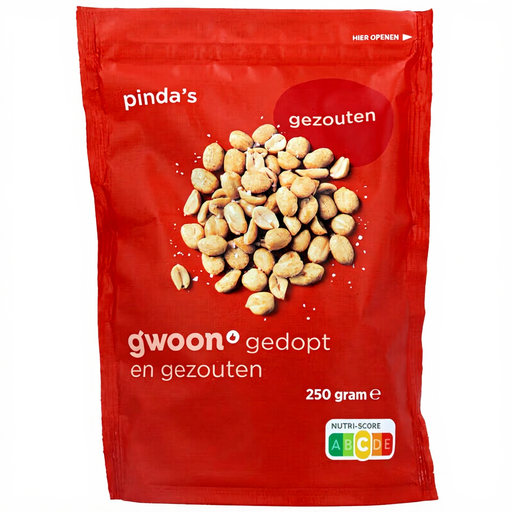
Why this fits the profile: A familiar choice for drinks, a film night or a simple savoury snack. The pack contains 250 grams.
The product information states 99% peanuts, 0.7% salt and possible traces of cashew, so you don't have to rely solely on the front of the pack.
250 g pack; clear composition; classic flavour for savoury snacks.
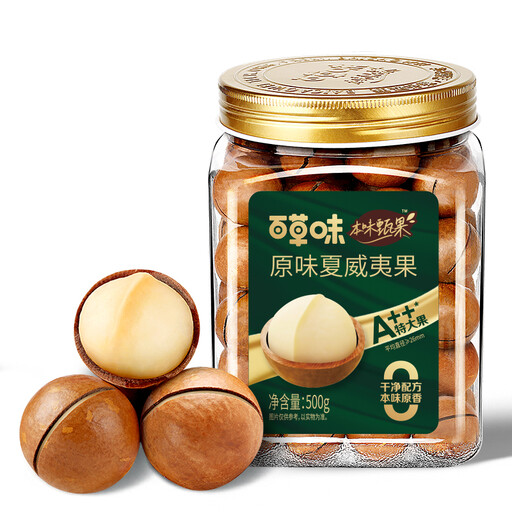
Why this fits the profile: A large pack for macadamia nut lovers who want to snack, bake or share.
The product description states 100% macadamia nuts, with no added salt, sugar or seasoning.
500 g content; single ingredient; suitable as a snack and in recipes.
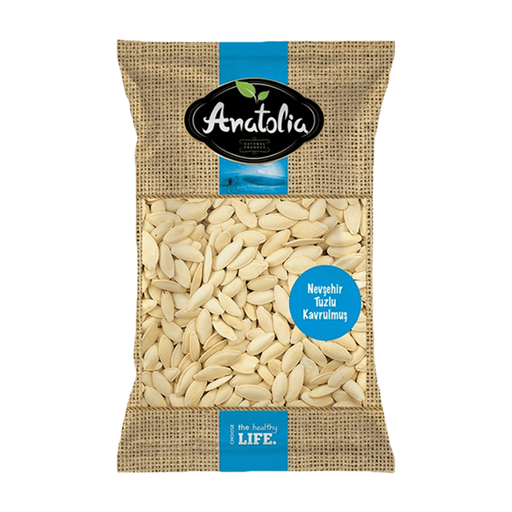
Why this fits the profile: A generous pack for fans of roasted pumpkin seeds as a snack, with drinks or as a topping.
The label lists pumpkin seeds, salt and maize starch, and states 3.5 grams of salt per 100 grams.
340 g content; roasted; suitable for eating straight away and for different serving occasions.
A practical order doesn't have to consist of just one type of snack. Combine, for example, unsalted cashews with salted sunflower seeds, crisps for sharing and a small pack of chocolate or biscuits. For fans of international flavours, there are also peanut snacks, Japanese snacks, Asian snacks and Turkish snacks.
Check for each product:
We've put together a full, up-to-date list of products that fully meet these strict selection criteria and comply with current European safety regulations.
Choose a pack that seals well and check the contents. Small bags are practical for on the go; larger bags are better value when you divide the nuts into portions at home. Always watch out for peanuts, tree nuts and other allergens when several people are eating from the same pack.
This varies per product. Follow the best-before information on the packaging and store the snack in a cool, dry place, well sealed. Products with a coating, crisps and biscuits can lose their crunchiness more quickly if moisture gets in. Also check whether the packaging is damaged before eating.
Compare the ingredients list and the salt content per 100 grams. Unsalted cashews generally contain no added salt according to the product description, while salted peanuts and pumpkin seeds do contain salt. The right choice depends on your preferred flavour, the occasion and any allergens.
