
Vandaag of morgen in huis

Kwaliteit gegarandeerd

Welkomstaanbiedingen ontgrendelen: GRATIS bezorging | Tot 80% korting | Gratis 30 dagen JoyPlus-proefperiode
Download de app
Buying nuts and seeds may seem straightforward, but packaging and product names do not always tell the full story. A bag may look large, while the actual contents are limited. Words such as “premium”, “natural” or “roasted” also say little by themselves about the ingredients, salt content or ease of use.
This practical guide helps you compare peanuts, cashews, almonds, macadamia nuts, walnuts, pistachios and various seeds based on the factors that really matter in the Netherlands.
A 1 kg bag may seem appealing for everyday snacking or baking. However, the price per 100 grams is the most useful comparison. Also check whether the product is fully edible. Some sunflower seeds and pistachios have a shell around the kernel, which means the net edible weight may be lower.
Roasted nuts may be unsalted, but they can also contain sunflower oil, palm oil, herbs or extra salt. Always check the ingredients list. Unsalted nuts should generally have a low salt content, but check the label for each product.
For example, according to the product information, g'woon Cashew Nuts Roasted & Unsalted contains only cashews and lists 0.067 grams of salt per 100 grams. White Peanuts 1 kg is available in varieties such as raw blanched peanuts, roasted peanuts and sugar-coated peanuts. These varieties clearly differ in taste, composition and shelf life.
Nut mixes and Asian snacks may contain wheat, milk, soya, sesame, sugar or flavourings in addition to nuts. If you need to take allergies into account, read the full allergen information rather than relying only on the front of the packaging.
For example, KOH-KAE Coated Peanuts Coconut Cream contains peanuts, wheat, coconut cream powder, sugar, oil and salt. The packaging lists allergens from peanuts and cereals containing gluten. Products containing macadamia nuts, cashews or almonds are also unsuitable for everyone.
First choose the type you want:
Pay attention to the order of the ingredients. If sugar, oil or a coating appears near the top of the list, it makes up a larger proportion of the product. With a simple composition, such as 100% almonds or 100% macadamia nuts, it is immediately clear what you are buying.
Always compare the same unit: per 100 grams. The products in the range show how widely the values can vary. Anatolia Badem Natural lists 578 kcal, 50 grams of fat, 21 grams of protein and 0 grams of salt per 100 grams. The salted Qia Qia pumpkin seeds list 1,200 mg of sodium per 100 grams, while Anatolia Salted Roasted Pumpkin Seeds contain 3.5 grams of salt per 100 grams.
These figures do not automatically make a product suitable or unsuitable. They do, however, help you choose an option that suits the occasion. For a sweet treat, such as Toblerone with almond nougat or pistachio biscuits, sugar and milk ingredients play a greater role than they do in plain nuts.
For a household that uses nuts regularly, 500 grams or 1 kg can be practical. For a gathering, gift or first taste, smaller 100 to 250 gram bags are easier to manage. A resealable pack helps protect the contents from moisture after opening, but it does not replace proper storage.
Store nuts and seeds as instructed in the product information in a cool, dry and dark place, away from heat and direct sunlight. Seal the packaging properly. Check the best-before date on the packaging; this varies by product and preparation method. White Peanuts, for example, states approximately 6 to 12 months for unopened raw blanched peanuts, around 9 months for roasted peanuts and approximately 6 months for sugar-coated peanuts, depending on storage conditions.
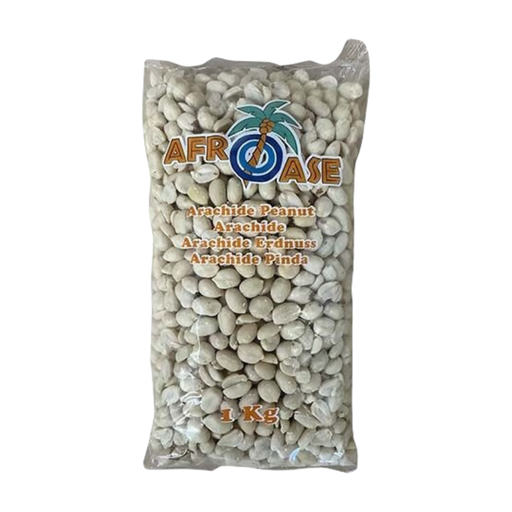
Why it suits this profile: The large pack is practical if you use peanuts in snacks, homemade nut mixes or baking recipes. Several varieties are available.
The varieties are described separately, so you can tell raw, roasted and sugar-coated peanuts apart.
1 kg contents; a choice of several preparations; suitable for snacking and baking.
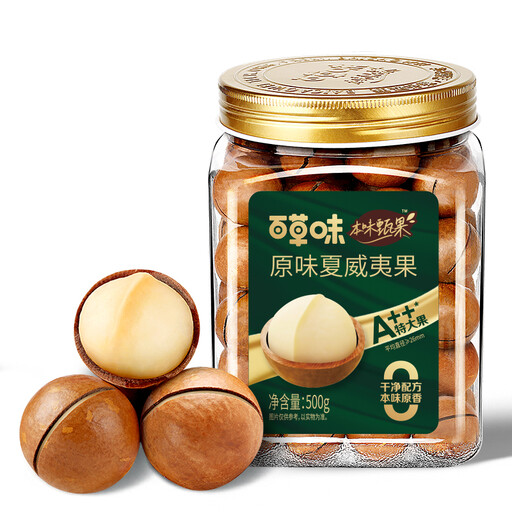
Why it suits this profile: According to the product description, this pack contains 100% macadamia nuts and is suitable for eating straight away, baking, salads and desserts.
The ingredients list is short and contains no added salt, sugar or herbs.
500 g contents; 100% macadamia nuts according to the label; suitable for a range of uses.
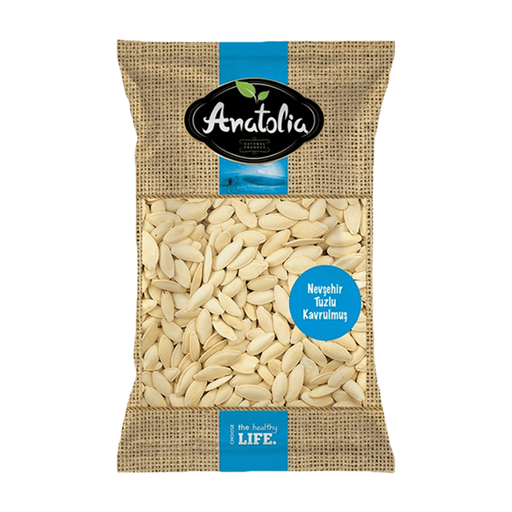
Why it suits this profile: Roasted pumpkin seeds are ready to eat and can also be added to salads, soups, breakfast dishes or baked goods.
The label lists corn starch as well as pumpkin seeds and salt, and states 3.5 grams of salt per 100 grams.
340 g contents; roasted and ready to eat; suitable as a snack or topping.
We have put together a complete, up-to-date list of products that fully meet these strict selection criteria and the applicable European safety regulations.
That depends on your preference for flavour, preparation and added ingredients. Almonds, cashews and macadamia nuts are often ready to eat. Always check the salt content of salted nuts and nut mixes. If you want to season or roast the nuts yourself, choose raw or unsalted varieties.
The shelf life is stated on the packaging and varies by product. Store unopened packaging in a cool, dry place away from direct sunlight. Once opened, nuts and seeds generally stay in good condition for longer if you reseal the bag properly. A stale smell, unusual flavour or damp texture is a reason not to use the product.
Check the percentage of each ingredient, whether salt or oil is included, and the allergen information. As well as peanuts, almonds, cashews and macadamia nuts, a mix may contain maize, pecans, sunflower seeds or other additions. For a gathering, a salted mix may be the better choice; for breakfast, baking or salads, an unsalted nut mix is often more suitable.
