
Same-day & Next-day Delivery

Quality Guaranteed

Unlock Your Welcome Offers: FREE Delivery | Up to 80% OFF | Free 30-day JoyPlus trial
Download the APP
When you search online for nut and seed snacks, you’ll quickly come across a long list of salted peanuts, pistachios, sunflower seeds, pumpkin seeds, chestnut kernels and nut mixes. The differences aren’t just about flavour. The proportion of nuts, the amount of salt or sugar, allergens and the packaging all determine whether a snack is right for how you’ll use it.
A bag for the office, for example, calls for a different choice than a large pack for a party. With these practical checks, you can avoid paying for a flashy flavour name or an attractive packet alone.
A product may be presented as a “nut mix” or “sweet peanuts”, while a significant portion consists of sugar, oil, flour or flavourings. So always check the ingredients list and see which ingredient is named first.
With g'woon Sugar Peanuts, the product information states it contains 59% peanuts and 33% sugar, plus sunflower oil and glucose syrup. This makes the snack suitable if you’re deliberately looking for a sweet option, but less fitting if you’re expecting mostly plain peanuts.
With roasted nuts and seeds, the flavour can seem mild, yet the salt content varies greatly from product to product. Compare the nutritional values per 100 g, not just the front of the packet.
g'woon Salted Peanuts contain 0.7 g of salt per 100 g according to the label. Anatolia salted sunflower seeds list 3 g of salt per 100 g. Both are salted snacks, but they suit different flavour profiles and occasions.
A 500 g pack can be good value if you eat nuts regularly or buy for several people. For on-the-go use or a desk drawer, a smaller, resealable or individually wrapped option is more convenient. After opening, check the storage advice: most products should be kept cool, dry, dark and well sealed.
With chestnut kernels, it’s often stated that you should eat them straight after opening. That’s important to know if you don’t plan to use the whole pack at once.
First, choose the type of snack you want:
If you have allergies, it’s important to read both “contains” and “may contain traces of”. The products mentioned include peanuts, cashews, pistachios, almonds, macadamia nuts, gluten, milk or sesame. Always use the current packaging as your guide.
Compare the nutritional values per 100 g. Pay particular attention to:
A product description from a brand may highlight a particular preparation method or flavour profile. Treat this as the brand’s information and check the ingredients and nutritional values on the label.
For home and parties, packs of 200 g to 340 g are often manageable. If you’re sharing generously, think about buying several bags or a larger pack. Individual portions are practical for a lunchbox, train journey or office, but they can mean more packaging material.
Also consider the texture. Peeled chestnut kernels are soft and slightly sweet, while roasted peanuts, pistachios and sunflower seeds give a definite crunch. A snack with a coating, such as coconut cream or sugar, has a different bite from a plain nut.
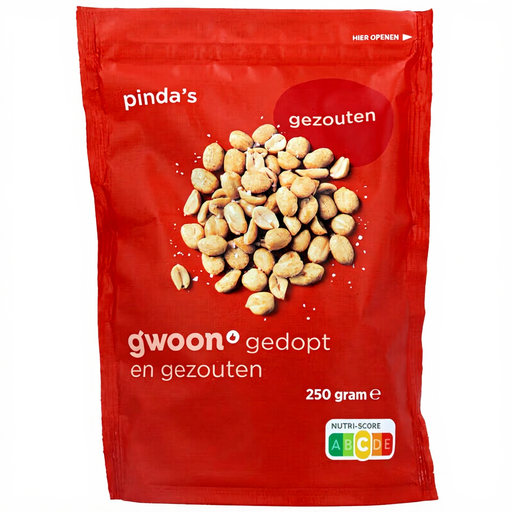
Why this fits the profile: A familiar 250 g pack for sharing at drinks, at home or in the office. According to the product information, it contains 99% peanuts, sunflower oil and 0.7% salt.
The ingredients list makes the proportion of peanuts clear, so you’re not relying on the product name alone.
250 g, 99% peanuts and a clearly stated salt content.
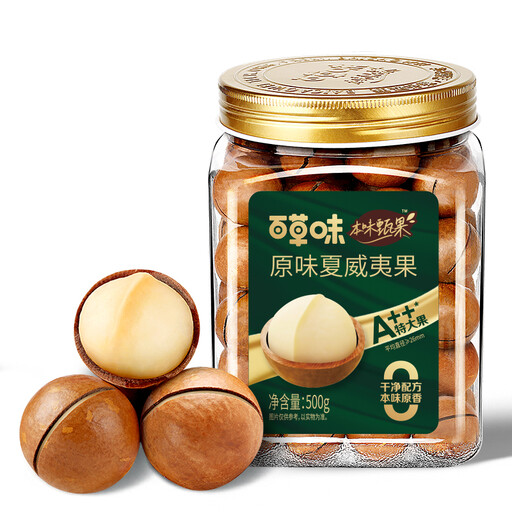
Why this fits the profile: A large pack with, according to the product information, 100% macadamia nuts and no added salt, sugar or spices.
The ingredients list is short and mentions no coating or flavouring. This makes the difference from flavoured macadamia nuts clear.
500 g, 100% macadamia nuts and suitable for snacking or baking.
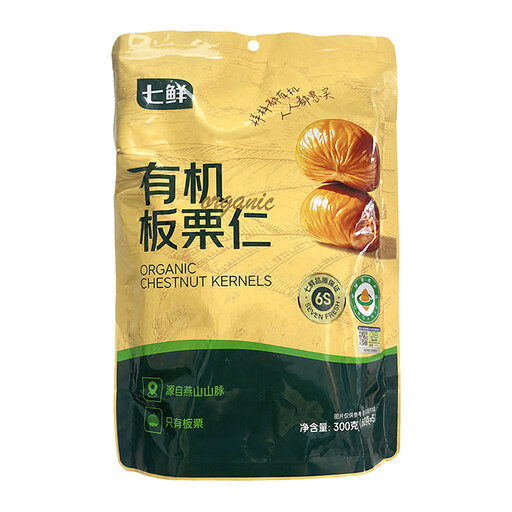
Why this fits the profile: Ready-to-eat chestnut kernels for work, travel or times when you don’t want to crack shells. The pack contains 300 g.
The product information lists one main ingredient and states it’s ready to use. Do check the current best-before and storage details on the packaging.
Ready to eat, 300 g and no added fat according to the stated nutritional information.
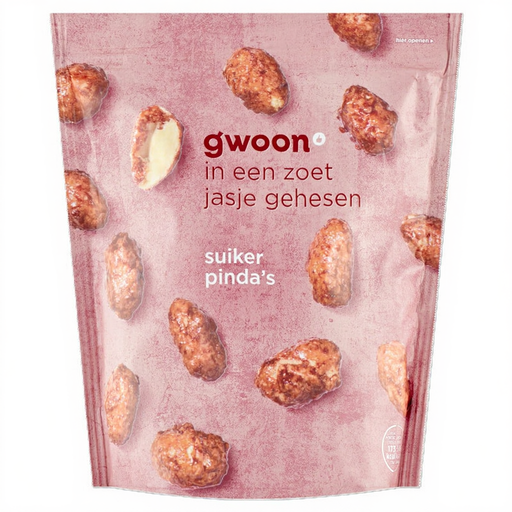
Why this fits the profile: For when you want a sweet, crunchy peanut snack rather than plain or salted nuts.
The label explicitly states 33% sugar. So you know in advance that it’s a sweetened snack, not ordinary peanuts.
250 g, clear sweet flavour profile and 0 g stated salt per 100 g.
We’ve put together a full, up-to-date list of products that fully meet these strict selection criteria and current European safety regulations.
Choose a pack that seals well and is ready to eat. Chestnut kernels are soft and can be eaten without shells. Individually wrapped nuts or smaller bags are suitable when you want to take portions with you. Always check the storage advice after opening.
That depends on the packaging, humidity and storage. Keep roasted nuts and seeds cool, dry and out of direct sunlight. Seal the bag well after each use. A resealable pack helps to keep the texture for longer, but also check the best-before date and the instructions on the packaging.
Compare ingredients, net weight, nutritional values, allergens and packaging. With a nut mix, check which types are actually present, and with flavoured snacks, see how much sugar, salt, oil or coating has been added. This way you can choose more deliberately between plain macadamia nuts, salted peanuts, pistachios, sunflower seeds and other crunchy snacks.
