
Vandaag of morgen in huis

Kwaliteit gegarandeerd

Welkomstaanbiedingen ontgrendelen: GRATIS bezorging | Tot 80% korting | Gratis 30 dagen JoyPlus-proefperiode
Download de app
When buying nuts and seeds online, people often look at flavour or price first. However, it is mainly the ingredients, packaging and portion size that determine whether a product suits your needs. A bag for sharing, for example, calls for different features than organic seeds for salads or a snack for eating on the go.
As a Joybuy Product Recommendation Officer, I assess product information against verifiable criteria. This helps you quickly spot the difference between a simple recipe, a heavily seasoned snack and a bulk pack.
The term healthy snacks covers a lot. Nuts and seeds naturally contain fats, protein and fibre, but the nutritional value per 100 grams varies from one product to another. Added salt, sugar, oil, sweeteners or flavourings can make a significant difference.
Always check:
A product containing only sunflower seeds or pumpkin seeds has a different composition from a seasoned snack with several added ingredients.
A 500-gram bag can be a good option for regular use, but only if you can seal the packaging properly. Nuts and seeds can lose their crunch when moisture and air get in. With high-fat products, prolonged exposure to heat and light can also affect the flavour.
Consider the combination of quantity, shelf life and resealability. A small 100 to 150-gram pack is often more practical for the office, school or eating on the go. For daily use in meals, 340 or 500 grams may be a better fit.
Peanuts are legumes, while almonds, pistachios and macadamia nuts are classed as tree nuts. Some products may also contain traces of other nuts, gluten, soya, milk or sesame.
Read the allergen information on the product page and check the label again when your order arrives. Asian snacks in particular may contain additional allergens from flavourings and mixed seasonings. If the ingredients have changed, use the information on the packaging as your guide.
Unsalted or organic seeds are often a good choice for consumers who want to add their own flavour to yoghurt, salads, bread or hot dishes. According to the product information, Bio+ Sunflower Seeds – 500 g consists of sunflower seeds of organic origin. Bio+ Pumpkin Seeds – 500 g contains pumpkin seeds of organic origin. Both products are stated to contain none of the 14 main EU allergens.
With roasted nuts and salted varieties, the focus is more on eating them straight away. Check whether only salt has been added, or whether the product also contains oil, sugar, starch, herbs or flavour enhancers.
Compare salted nuts and seeds using the nutritional information per 100 grams. In the available product information, for example, salt content ranges from 0.7 grams in g’woon Salted Peanuts to 3.5 grams in Anatolia salted roasted pumpkin seeds. This makes the label more important than a general description such as “lightly salted”.
If you want to use less salt, choose unsalted seeds and add a small amount of seasoning yourself. For a sharing platter or an authentic snack, a distinctly salty or seasoned variety may be exactly what you are looking for.
Think about when you plan to eat the snack:
Also consider the format. Some sunflower seeds and watermelon seeds are supplied in their shells and need to be cracked open. This is part of the snacking experience, but is less convenient at your desk or in the car.
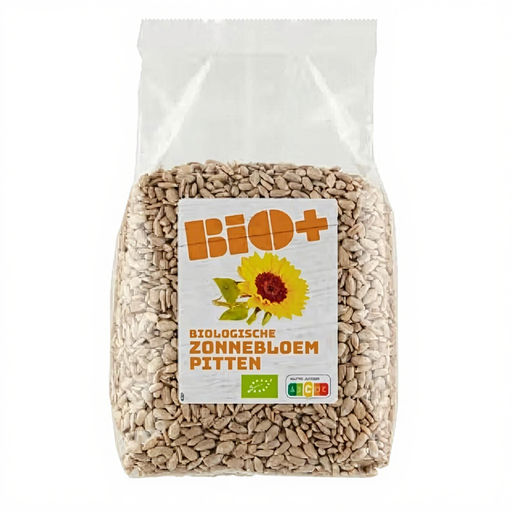
Why it suits this profile: A generous pack for anyone looking to start with a simple staple. According to the product information, it consists of organic sunflower seeds.
The ingredients list is short and, according to the product details, contains no added salt, sugar or oil.
500 grams, organic origin and a stated salt content of 0.15 grams per 100 grams.
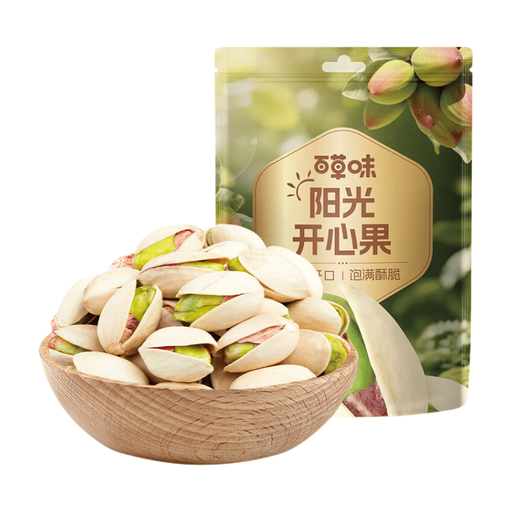
Why it suits this profile: For anyone looking for a compact international snack with roasted pistachios, a crunchy texture and a salty flavour.
The product information lists only pistachios and salt as ingredients, making the flavour profile clear.
100 grams, roasted and salted, with 20 grams of protein and 1.5 grams of salt per 100 grams according to the label.
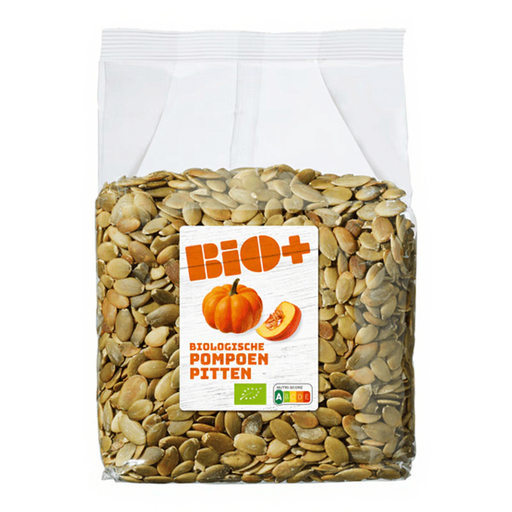
Why it suits this profile: Suitable for anyone who wants to use pumpkin seeds not only as a snack, but also in salads, bread, breakfast dishes or hot meals.
The product description states that it contains pumpkin seeds of organic origin and none of the 14 main EU allergens.
500 grams and a neutral base that you can roast, season or mix into meals yourself.
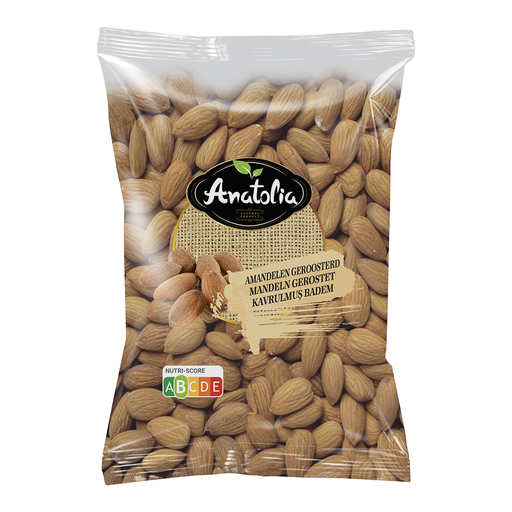
Why it suits this profile: A larger bag of almonds for sharing, the family or a well-stocked cupboard. The roasted and salted flavour means they are ready to serve straight away.
The ingredients are straightforward: almonds and salt. The presence of tree nuts is clearly listed as an allergen.
500 grams, 21 grams of protein and 1 gram of salt per 100 grams according to the nutritional information provided.
We have put together a complete, up-to-date list of products that fully meet these strict selection criteria and the applicable European safety regulations.
Store opened nuts and seeds in a cool, dry and dark place. Seal the bag properly or use an airtight storage container. Avoid keeping an opened pack next to a cooker, radiator or window. Check the smell, flavour and texture before eating. A musty smell or soft texture may indicate a loss of quality.
Whole nuts and seeds can pose a choking hazard to young children. Always pay attention to allergens too, especially with a mixed snack or a product that may contain traces of other ingredients.
Examples of nuts include almonds, pistachios and macadamia nuts. Seeds include sunflower seeds, pumpkin seeds and watermelon seeds. In snacks, both groups are often eaten in the same ways: plain, roasted, salted or seasoned.
That depends on your overall diet and the ingredients used. In particular, compare the salt content, portion size and any added oil or flavourings. An unsalted variety gives you more control over the seasoning; a salted product is ready to eat as a snack.
The shelf life is stated on the packaging. Once opened, nuts and seeds generally stay crunchy for longer when stored dry, cool and well sealed. Always follow the manufacturer’s storage advice and do not use the product if the packaging is damaged or its flavour and smell seem unusual.
