
Same-day & Next-day Delivery

Quality Guaranteed

Unlock Your Welcome Offers: FREE Delivery | Up to 80% OFF | Free 30-day JoyPlus trial
Download the APP
When you buy nuts and seeds online, you quickly come across terms such as organic, high in fibre, roasted and no added sugar. However, the front of a pack does not always tell the whole story. The ingredients list, allergens and nutritional values often give you a better idea of whether a product suits your breakfast, snack time or cooking needs.
As a Joybuy Product Recommendation Officer, I filter product information based on practical details. This helps you compare organic seeds, pumpkin seeds, sunflower seeds, almonds, walnuts, peanuts, muesli and granola using verifiable information.
Roasted seeds may contain added salt, oil, sugar or flavourings. This applies, for example, to flavoured sunflower seeds and snacks with herbs and spices. Always check the nutritional values per 100 grams. This makes it easier to compare small bags fairly with larger packs.
With products containing dried fruit, it is also important to check whether the fruit has been sweetened. A nut mix with cranberries, for example, may contain a considerable amount of added sugar, even if no sugar has been added to the nuts themselves.
Organic seeds may be unprocessed and mild in flavour, while roasted seeds tend to be saltier and crunchier. So check the full product description. Would you like to use pumpkin seeds in yoghurt, salads or bread? A plain variety is often a better choice. For eating straight from the pack, a seasoned or roasted variety may be more appealing.
Nuts, peanuts, cereals containing gluten, milk, soya and sesame are often handled on the same production line. The statement ‘may contain traces’ is relevant if you have an allergy or intolerance. Do not rely solely on the product name, and check the current packaging before consumption.
A short ingredients list makes it clear what you are buying. Bio+ Pumpkin Seeds - 500 g, for example, lists organically sourced pumpkin seeds as its ingredient. According to the product information, this product does not contain any of the 14 major EU allergens. For organic products, also check the certification mark and the information on the packaging; a standalone marketing claim is not a substitute for an official designation.
For composite products, the main ingredients are usually listed with percentages. In Quaker Zs Cruesli Nuts & Seeds, the first ingredients include wholegrain oat and wheat flakes, with 4.5% pumpkin seeds, 3.2% hazelnuts and 3% almond pieces.
Pay attention to energy, fat, saturates, carbohydrates, sugars, fibre, protein and salt. A 30- or 45-gram portion may look modest, while the values per 100 grams are higher. Products containing nuts and seeds often provide a lot of energy by weight; this is practical when you are out and about, but it is a good reason to measure out portions in advance.
For a high-fibre snack, you can compare the fibre content. Holie's Granola Glutenfree Peanut Chocolate - 330g lists 14 grams of fibre per 100 grams and 4 grams of sugar. However, the granola contains oats and peanuts and may contain traces of other nuts and soya.
A 500-gram bag is practical for regular use in muesli, granola, yoghurt or baking recipes. Smaller packs of around 100 to 150 grams are easier to take with you or use when trying a flavour for the first time. After opening, check whether the packaging can be properly resealed and store nuts and seeds in a cool, dry place away from direct sunlight. This helps limit moisture absorption and loss of flavour.
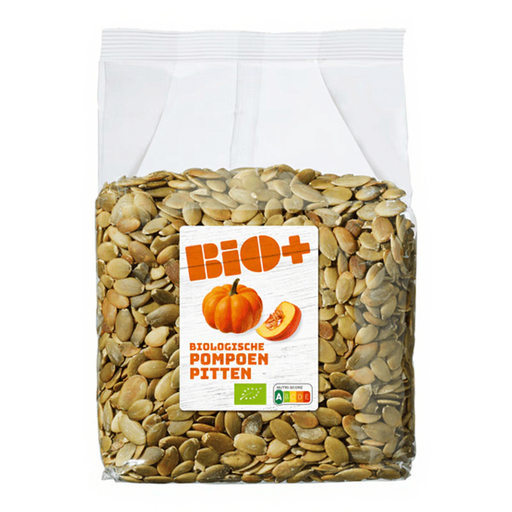
Why it suits this profile: A generous pack with one main ingredient is easy to understand if you are buying organic seeds for the first time. Use the pumpkin seeds in yoghurt, salads, bread or as a snack on their own.
The product information lists only organically sourced pumpkin seeds and no added flavourings. Before buying, however, check the packaging and best-before date.
500 grams; organic origin; according to the product information, free from the 14 major EU allergens.
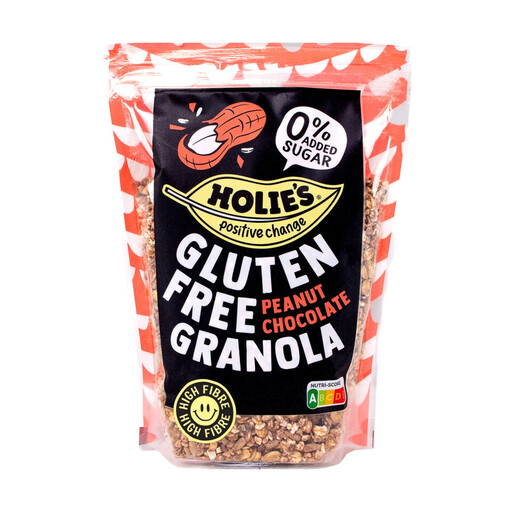
Why it suits this profile: This granola combines a chocolate and peanut flavour with a stated fibre content of 14 grams per 100 grams. It is suitable for breakfast with yoghurt or as a crunchy topping.
The packaging states 0% added sugar, but the product does contain peanuts and oats. Check the allergen information rather than relying solely on the front of the pack.
330 grams; gluten-free product positioning; 14 grams of fibre per 100 grams according to the product information.
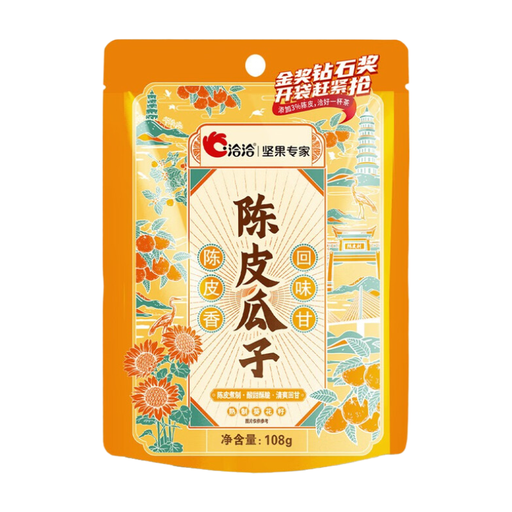
Why it suits this profile: A ready-to-eat Asian snack for anyone looking for roasted seeds with a distinctive citrus and spiced flavour. The 108-gram pack is suitable for sharing.
The ingredients list includes salt, sugar, dried tangerine peel, sweeteners and flavourings. This makes it clear in advance that it is not a plain product.
108 grams; ready to eat; distinctive tangerine peel flavour; allergen warning for possible traces of pecans and milk.
We have compiled a complete, up-to-date list of products that fully meet these strict selection criteria and the applicable European safety regulations.
This mainly depends on the packaging and your personal preference. Small resealable bags are practical when you are out and about. For work or school, you can also buy a larger bag and divide it into portions yourself. With composite snacks, always check the allergen information before sharing them.
Unprocessed seeds usually have a milder flavour and are versatile in recipes. Roasted seeds are crunchier and often ready to eat, but may contain added salt, oil, sugar or flavourings. So check the ingredients list and nutritional values per 100 grams.
Always follow the date and storage instructions on the packaging. Store opened products in a cool, dry, dark place in a tightly sealed container. Do not smell or taste a product if the packaging is damaged; do not use it. Nuts in their shells, such as walnuts, may have different storage conditions from ready-to-eat nut mixes.
