
Same-day & Next-day Delivery

Quality Guaranteed

Unlock Your Welcome Offers: FREE Delivery | Up to 80% OFF | Free 30-day JoyPlus trial
Download the APP
Nuts and seeds may seem straightforward to pick, but the differences between packs can be significant. A product might look natural, yet have plenty of salt, sugar, oil or flavourings added. Equally, a large bag isn't automatically good value if you struggle to keep the contents fresh after opening.
With this buying guide, you can compare peanuts, almonds, cashews, walnuts, pistachios, macadamia nuts, pine nuts, chestnuts and various types of seeds in a practical way.
Always check the ingredients list and the nutritional values per 100 grams. Unsalted nuts often contain only the nut as an ingredient, whereas roasted nuts can have extra oil or salt added. Flavoured snacks sometimes include sugar, sweeteners or flavour enhancers.
For example, a bag of salted pumpkin seeds with 3.5 grams of salt per 100 grams. That's a clear difference from an unsalted product. If you use nuts and seeds in yoghurt, salad or baking, you'll usually be better off with a neutral variety.
A 500-gram or 1 kg pack can be appealing for regular use, but nuts are naturally high in fat. Once opened, the flavour and crunch can deteriorate if the bag isn't sealed properly. So pay attention to:
For the office, on the go or a lunchbox, portion packs can sometimes be more practical. A nut mix of 5 × 23 grams also helps you measure out portions in advance.
With peanuts, almonds or walnuts, a short ingredients list is often easy to assess. With snack mixes, sugar, glucose syrup, palm oil, spices, sweeteners and flavour enhancers can be added. That makes the taste more intense, but it also changes the nutritional value and when you'd use them.
Also look out for allergens. Nuts, peanuts, sesame, milk and gluten must be clearly stated on the label. Also check warnings such as “may contain traces” if someone in your household has an allergy.
First, choose between:
With some products, the quantity of the main ingredient is specified. For example, the BE&CHEERY pine nuts state at least 95% pine nuts according to the product information, while the “Northeast Pine Nuts” variant states at least 98%. The remainder consists mainly of vegetable oil. So don't just look at the product name, but also at the order of ingredients.
Compare products on the same basis. Pay particular attention to:
The values don't automatically tell you which snack is right for you. For instance, a macadamia pack states 717 kcal and 67.8 grams of fat per 100 grams, while chestnut kernels come in at around 178–185 kcal per 100 grams according to the product information provided. Chestnuts also have a softer texture and more carbohydrates, so they're used differently from nuts.
For a store cupboard, large bags are handy. For a bag, desk or train journey, small packs are easier. Check with ready-to-eat products whether they're edible straight away and whether you need to consume them immediately after opening.
Some packs contain a sachet of oxygen absorber or desiccant. That's not meant to be eaten. Keep such sachets out of reach of children and throw them away after opening.
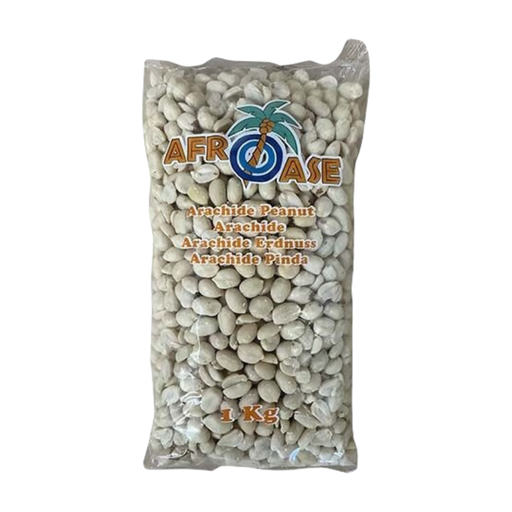
Why this fits the profile: A large pack suits households that regularly use peanuts for snacks, sauces or recipes.
The product information distinguishes between raw, roasted and sugared varieties. Check before purchase which variant and ingredients are on the pack you receive.
1 kg net weight and multiple uses. Store the bag in a cool, dry place and keep it well sealed after opening.
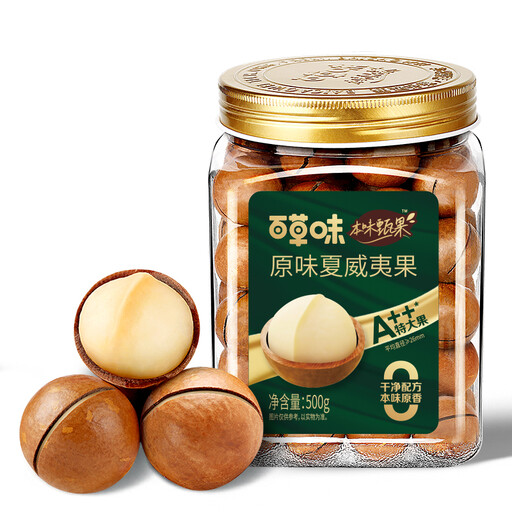
Why this fits the profile: The pack states 100% macadamia nuts with no added salt, sugar or spices.
The ingredients list is short and only mentions macadamia nuts. So you can see straight away that no flavourings have been added.
500 grams, unsalted according to the product description, suitable for eating straight away, baking, salads and desserts.
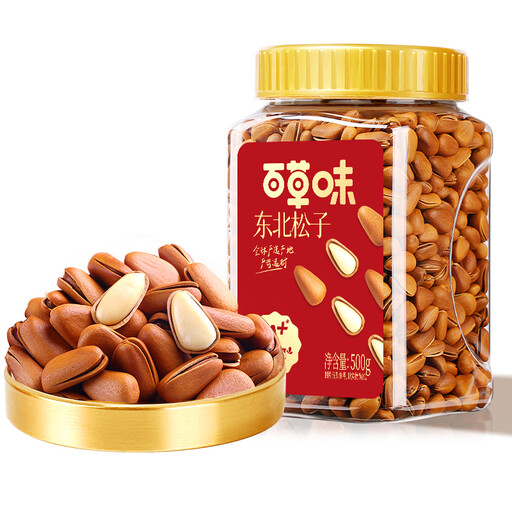
Why this fits the profile: A large pack of pine nuts is practical for pesto, salads, Asian dishes, baking and repeated use in the kitchen.
The product information states at least 98% pine nuts and lists palm oil as an added ingredient. This allows you to assess the composition precisely.
500 grams, ready to eat and usable as a garnish or cooking ingredient. The pack states 745 kcal per 100 grams.
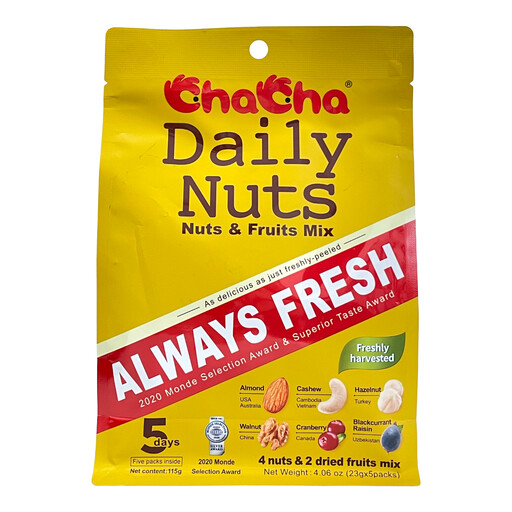
Why this fits the profile: The five individual sachets are handy for the office, on the go, school or a controlled portion with lunch.
The total amount is divided into 5 portions of 23 grams. The mix does contain raisins and sweetened cranberries; check this if you want less sugar.
Walnuts, cashews, almonds and hazelnuts in one mix. Each portion is ready to use straight away.
We've put together a full, up-to-date list of products that fully meet these strict selection criteria and comply with current European safety regulations.
For a Turkish snack, Antep pistachios, Turkish almonds and roasted pumpkin seeds are logical options. If you're after a sweet variety, you could choose candied chestnuts, but watch the sugar content. Chestnut kernels without added sugar are softer in texture and ready to eat.
Sunflower seeds with pecan flavour are suitable for anyone wanting a spiced snack. According to the product information, they contain 92.58% sunflower seeds, plus sugar, salt, spices and sweeteners. For recipes, neutral pine nuts, almonds or cashews are usually easier to combine.
Keep them cool, dry and out of direct sunlight. Seal the pack properly or use an airtight storage container. Always follow the date and instructions on the pack. If in doubt, don't taste or smell further; an unusual odour or flavour can indicate a loss of quality.
That depends on how you use them. Unsalted nuts make it easier to add your own salt in a recipe and, according to the label, often contain less sodium than salted varieties. For a party or snack time, a spiced or roasted version might actually suit the desired flavour better.
A mix with individual portions is practical for travelling, at the office or in a lunchbox. Do check the composition: some nut mixes contain dried fruit, sugar, oil or flavourings. If you're after a more neutral snack, you could also take separate unsalted almonds, peanuts, walnuts or cashews.
