What should you look for when buying?
Unsalted peanuts
Best for: anyone looking for a simple, unsalted snack who can eat peanuts.
Bear in mind: the product name doesn’t tell you its protein content; check the label on the exact pack.
Unsalted mixed nuts
Best for: anyone who wants a variety of different nuts.
Bear in mind: nutritional values vary by nut and blend. General figures for nuts do not automatically apply to a specific mix.
Salted peanuts
Best for: anyone who specifically wants a salted flavour.
Bear in mind: Duyvis lists salt as an ingredient in its salted variety, making this a different choice from everyday unsalted nuts.
The percentages below show one possible deciding purchase priority in each row for consumers considering nuts as an afternoon snack. If several factors matter to you, decide which one carries the most weight for this purchase.
| What to consider |
What should you check? |
Who might prioritise this? |
| Protein per snack portion |
Compare protein and energy for the same portion. The Netherlands Nutrition Centre gives 4.5 grams of protein per 25 grams as a general reference for unsalted nuts; check the label on the specific branded product. |
If you mainly want to know how much protein your snack contributes around exercise, compare the nutritional values for the portion you actually eat. Around 36% of consumers would make protein content their top priority. |
| A measured portion |
Weigh your portion and compare energy and protein on the same basis. The Netherlands Nutrition Centre’s general reference for unsalted nuts is 164 kcal per 25 grams. |
If you want to have a set amount every day, it can help to decide your portion in advance rather than looking only at the nutritional values per 100 grams. Around 29% of consumers would put portion control first. |
| Pack size and format |
Check the net weight and whether the packaging is suitable for dividing and storing several snack portions. PLUS, for example, lists a 250-gram bag and a 275-gram tub. |
If you want packaging that suits your shopping and the number of times you plan to snack, compare the pack size and format. Around 21% of consumers would make packaging their top priority. |
| Flavour and variety |
Check whether the product is salted or unsalted and read the ingredients. The Netherlands Nutrition Centre recommends unsalted nuts; Duyvis lists salt among the ingredients in its salted peanuts. |
If flavour or variety is the deciding factor for you, choose between a salted option and unsalted or mixed nuts. Around 14% of consumers would make flavour and variety their top priority. |
Nut products at Joybuy
These Joybuy products include unsalted peanuts and cashews, as well as salted and seasoned peanut varieties. Compare the nutritional values and ingredients listed for the exact pack; a stated amount of protein alone doesn’t prove a claim such as ‘high in protein’.
 Image unavailable
g'woon Unsalted Peanuts - 250g
Suitable if you’re looking for an unsalted peanut snack. The product description lists 27 g of protein and 6.4 g of fibre per 100 g; the ingredients list 99% peanuts and sunflower oil.
Contains peanuts and may contain cashews; check the allergen information if this is relevant to you.
View at Joybuy
 Image unavailable
g'woon Cashew Nuts Roasted & Unsalted - 200g
Suitable if you’re looking for roasted, unsalted cashews as a snack. The product description lists 18.67 g of protein per 100 g and names cashews as an ingredient.
Contains cashews; check the allergen information if this is relevant to you.
View at Joybuy
 Image unavailable
Verse Extra Large Roasted Peanuts - 210 g
Suitable if you’re looking for roasted peanuts in their shells as a snack. The product description lists 26 g of protein per 100 g and peanuts as the sole ingredient.
The peanuts are in their shells and need to be cracked before eating.
View at Joybuy
 Image unavailable
Duyvis Salted Peanuts - 235 g
Suitable if you’re choosing a salted peanut snack. The product description lists 26 g of protein per 100 g, a 30 g portion and 7–8 portions per pack; the salt content is 0.73 g per 100 g.
Contains peanuts and added salt; the description also mentions possible traces of nuts. Not suitable for anyone with a peanut allergy. The packaging warns of a choking hazard for young children.
View at Joybuy
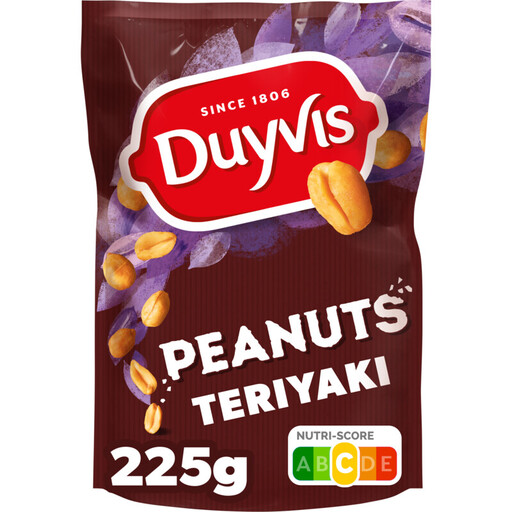 Image unavailable
Duyvis Peanuts Japanese Teriyaki - 225 g
Suitable if you’re looking for a seasoned peanut snack. The product description lists 28 g of protein per 100 g, 30 g portions and 7–8 portions per pack.
Contains peanuts, soya, wheat/gluten and celery; the description mentions possible traces of milk and nuts. After opening, reseal carefully and consume within 7 days for best quality. The packaging warns of a choking hazard for young children.
View at Joybuy
Frequently asked questions
Are nuts on their own a complete recovery snack after exercise?
No. Think of a handful of nuts as one contribution to your diet, not automatically as a complete recovery solution. The Netherlands Nutrition Centre says that strength training and endurance exercise increase protein requirements; the right choice also depends on your overall diet.
How should I store an opened pack for several afternoon snacks?
Keep nuts sealed and dry. The Netherlands Nutrition Centre recommends storing them somewhere cool, for example at 10 to 15 °C. Also follow the storage advice on the pack of the specific variety.
What allergen information should I check on the packaging?
Check the ingredients and allergen information on the specific pack. New Dutch rules for warnings about allergens that accidentally get into food have applied since 1 January 2026; the NVWA says the production date is the starting point. These rules are aimed at food businesses and don’t replace the need for consumers with a food allergy to check the packaging.
How do I compare a bag with a tub?
First compare the net weight, then consider which format suits you for dividing and storing snack portions. PLUS, for example, lists unsalted peanuts in a 250-gram bag and extra-large unsalted peanuts in a 275-gram tub; the packs differ in both size and format.
What should I do if the online product information differs from the packaging I have?
Use the information on the pack you bought. Albert Heijn warns that ingredients, nutritional values and allergy information can change, and advises customers to contact its customer service team if they have questions.


