For a dad who exercises, choose nuts based on protein per portion, flavour and his usual eating habits; a high protein figure per 100 g doesn’t automatically make a product high in protein. Product information from Jumbo, Albert Heijn and PLUS shows 6.25–6.75 g of protein per 25 g portion for four of the unsalted peanut and almond varieties examined. None of these exact varieties meets the EU threshold of 20% of energy from protein for the ‘high protein’ claim, as set out in Regulation (EC) No 1924/2006 and listed by EUR-Lex. So think of nuts as an everyday snack or addition to a meal, not as a product with proven recovery benefits. According to the Voedingscentrum, protein requirements depend in part on a person’s overall diet and sporting activities.
Who are these nuts for?
Dad who exercises
You’re looking for an everyday snack that can contribute to your daily protein intake. Consider the portion size and overall diet: recreational and serious athletes don’t automatically have the same requirements. The Voedingscentrum explains when people who exercise may need extra protein.
Anyone who regularly snacks on unsalted nuts
You want nuts that will still be welcome on the table after Father’s Day. The Voedingscentrum recommends a handful of unsalted nuts each day and varying the types you eat; tailor the amount to what you actually eat.
Gift buyer who puts flavour first
You’re looking for something the recipient will enjoy eating, not just a pack with a sporty look. Plain, seasoned and coated varieties offer different options. If you’re buying a gift, check the ingredients and allergen information on the packaging too.
What should you look for when choosing?
Compare protein per portion, but also assess flavour, portion size and ingredients separately.
| What to consider |
What should you check? |
Who is this important for? |
| Protein per portion |
Compare protein per 100 g and calculate the amount for the portion you’ll serve. Assess the ‘high protein’ claim separately. |
If you want to know how much protein a portion adds to the diet of a dad who exercises, look at how much he actually eats. Around 36% of consumers say protein content is their main reason for buying. |
| Everyday snacking |
Check the salt content, ingredients and amount per portion. |
If you want to serve nuts more often, consider the salt content and choose a portion that suits the occasion. Around 29% of consumers prioritise daily unsalted snacking and portion size. |
| Flavour as a gift |
Choose plain, mixed or coated nuts, and check the ingredients and allergen information. |
For a Father’s Day gift, you’ll want to know which flavours the recipient enjoys and which allergens are listed on the packaging. Around 21% of consumers mainly choose based on the recipient’s flavour preferences. |
| Packaging and storage |
Match the net weight to how much you expect to use, and check whether the pack can be resealed after opening. |
If you’re giving a pack as a gift, consider how quickly its contents will be eaten and how they’ll be stored. Around 14% of consumers prioritise pack size and proper storage. |
Common purchasing mistakes
-
Confusing grams of protein with the ‘high protein’ claim
A product can contain protein without getting enough of its energy from protein to qualify for this claim. The EU threshold is 20% of the energy value.
Assess the claim separately from the protein contribution per portion, and check the nutritional information for the exact variety.
-
Unintentionally increasing portion sizes to get more protein
A bag isn’t a set portion. For a general example of 25 g of unsalted nuts, the Voedingscentrum lists 164 kcal; the figure for a specific product variety may differ.
Serve an appropriate amount and use the nutritional information on the pack you buy.
-
Treating coated or seasoned nuts as the same as plain nuts
A coating or seasoning mix changes the ingredients and may introduce other ingredients or allergens.
Choose a savoury snack variety for its flavour, and check its own ingredients list, salt content and allergen information.
-
Buying a large pack without a storage plan
Once opened, a pack needs to be looked after; nuts should be stored in a dry place in a well-sealed container.
Choose an amount that suits how much you’ll use and follow the storage instructions on the packaging. The Voedingscentrum advises storing nuts in a sealed container in a dry place, preferably somewhere cool.
Brands and varieties to compare
Duyvis
An option for comparing unsalted peanuts with flavour-led savoury snack varieties.
- Jumbo’s product information lists 27 g of protein and less than 0.01 g of salt per 100 g for Duyvis Unsalted Peanuts 235 g.
- This exact variety doesn’t meet the threshold for the ‘high protein’ claim. Coated varieties have a different composition.
Albert Heijn
AH Unsalted Almonds 190 g is a specific almond variety for anyone who prefers almonds to peanuts.
- Albert Heijn lists 27 g of protein per 100 g for this variety.
- The variety doesn’t meet the threshold for the ‘high protein’ claim. The label notes that it may contain peanuts and other nuts.
Jumbo
Jumbo Unsalted Kingsize Peanuts 350 g is a larger pack of unsalted peanuts.
- Jumbo lists 25 g of protein per 100 g and 14 portions of 25 g on the product page.
- The name ‘Kingsize’ says nothing in itself about protein content or sporting benefits; this exact variety doesn’t meet the threshold for ‘high protein’.
Lidl
The Dutch range page describes 200 g of roasted unsalted peanuts as a snack or cooking ingredient.
- The Lidl Netherlands page says this variety is available in store.
- The range listing doesn’t provide a basis for attributing a specific protein contribution or the ‘high protein’ claim to this variety.
ALDI
ALDI lists 250 g of unsalted peanuts under the product name TRADER JOE’S.
- ALDI’s product listing identifies the product name and the unsalted variety.
- The product listing doesn’t substantiate a specific protein contribution or recovery claim.
PLUS
PLUS Unsalted Peanuts 250 g is a specific own-brand option for anyone looking for unsalted peanuts.
- PLUS lists 99% peanuts and sunflower oil, with 27 g of protein per 100 g.
- This exact variety doesn’t meet the threshold for ‘high protein’; the label notes that it may contain cashew nuts.
Nut products at Joybuy
These Joybuy products are nuts for everyday snacking or adding to dishes. According to the declared nutritional values, none of the five meets the EU threshold of 20% of energy from protein for the ‘high protein’ claim.
 Image unavailable
Jia Zhou Yuan Ye Original almond kernels 160 g
A good choice as an everyday almond snack if you’re considering the protein content per 100 g.
Joybuy lists 100% almond kernels and 21.5 g of protein per 100 g; the nutritional value is 622 kcal per 100 g. Contains almonds.
Joybuy
 Image unavailable
g'woon unsalted peanuts 250 g
A good choice as an unsalted peanut snack or for adding peanuts to a recipe.
Joybuy lists 99% peanuts with sunflower oil, 27 g of protein and 2690 kJ per 100 g. Contains peanuts and may contain cashew nuts.
Joybuy
 Image unavailable
g'woon raw unsalted almonds 200 g
A good choice as an everyday almond snack or addition to dishes if you’re looking for unsalted almonds.
Joybuy lists 24 g of protein and 591 kcal per 100 g. Contains almonds.
Joybuy
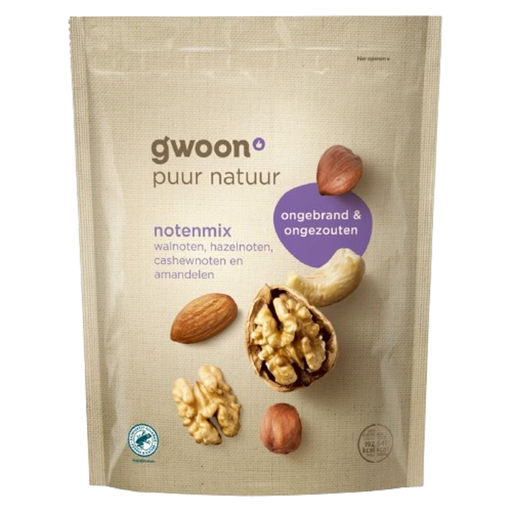 Image unavailable
g'woon raw unsalted mixed nuts 200 g
A good choice if you want to enjoy different types of nuts in one snack or add them to dishes.
Joybuy lists hazelnuts, walnuts, almonds and cashew nuts, with 19.1 g of protein and 2650 kJ per 100 g. May contain traces of peanuts.
Joybuy
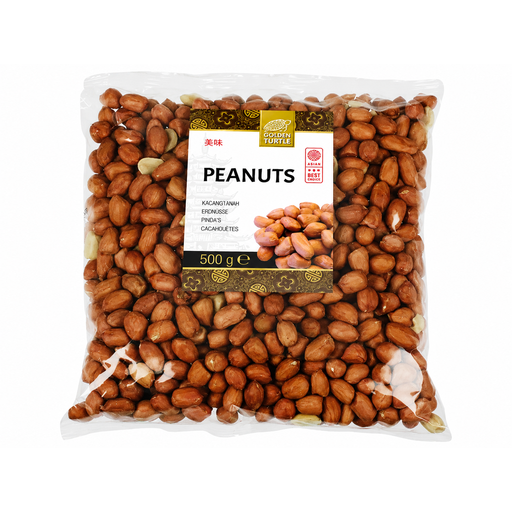 Image unavailable
Golden Turtle Premium raw peanuts with skins 500 g
A good choice if you’re looking for raw peanuts with their skins on, for snacking or adding to a dish.
Joybuy lists 26 g of protein and 567 kcal per 100 g. Contains peanuts.
Joybuy
Frequently asked questions
Does 27 g of protein per 100 g automatically mean that nuts are high in protein?
No. The claim depends on the proportion of energy that comes from protein, not just the number of grams of protein. For Duyvis unsalted peanuts, Jumbo lists 27 g of protein and around 614 kcal per 100 g; this works out to approximately 17.6% of energy from protein. The EU threshold is 20%, according to Regulation (EC) No 1924/2006.
Do you need special protein nuts after exercise?
Not necessarily. According to the Voedingscentrum, most people who exercise don’t need special protein products if their usual diet provides enough protein. Nuts can be part of your diet, but requirements depend on the individual and their overall diet. For personalised sports nutrition advice, the Voedingscentrum recommends consulting a specialist dietitian.
What should I check if I’m giving nuts to someone with an allergy?
Check the ingredients, allergen information and warnings about possible cross-contamination on the current packaging. Peanuts and nuts are separate allergen categories; the Netherlands Food and Consumer Product Safety Authority describes allergen information for pre-packed products. Always check the exact variety.
How should you store nuts after opening?
Store nuts in a dry place in a well-sealed container, preferably somewhere cool, and follow the instructions on the specific pack. The Voedingscentrum gives 10–15 °C as a suitable cool storage temperature.


