
Vandaag of morgen in huis

Kwaliteit gegarandeerd

Welkomstaanbiedingen ontgrendelen: GRATIS bezorging | Tot 80% korting | Gratis 30 dagen JoyPlus-proefperiode
Download de app
Want to buy nutritional powder, but mainly seeing large packs, eye-catching health claims and unclear ingredient lists? Comparing products based solely on flavour or price can be risky. Powder for a quick breakfast serves a different purpose from protein powder after exercise or cocoa powder for baking.
The main pitfalls are usually easy to avoid:
Ingredients are listed in descending order by weight. If sugar, glucose or syrup appears near the top, it makes up a significant part of the product. With breakfast powder, it is also useful to check how much oat, soya, grain, milk powder or nuts it actually contains.
Also check the allergen information in line with European regulations. Common points to look out for include:
A product labelled as containing none of the 14 major EU allergens is still subject to the current packaging information and production location. Always read the label before ordering and using it.
Do not compare calories per 100 grams alone. For example, a scoop of protein powder weighs considerably less than a serving of breakfast powder. So look at:
Food supplements also come with specific usage advice. A supplement is not a substitute for a varied diet. If you are pregnant, take medication, have a medical condition or are unsure about caffeine, it is sensible to consult a healthcare professional.
A single-serving pack is convenient for work or on the go, while a 2 kg bag may be more suitable for frequent use. Check:
A fine texture can make powder quick and easy to dissolve. Tapioca starch, on the other hand, works as a thickener in sauces, soups and desserts. It is therefore not a direct substitute for breakfast powder, milk powder or protein powder.
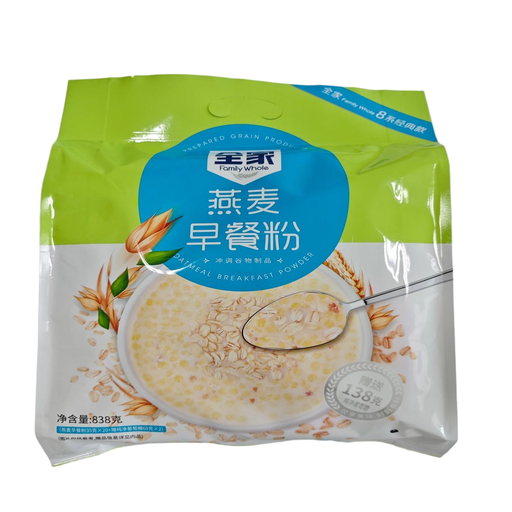
Why it suits this profile: The individual 35-gram sachets are easy to portion and each is prepared with approximately 175 ml of boiling water. Suitable for a quick breakfast at home or in the office.
The total contents are divided into 700 grams of breakfast powder and 138 grams of glucose. This makes it clear what you are buying, rather than asking you to judge by the total weight alone.
20 sachets, oats listed as the main ingredient and clear preparation instructions. Please note: the product contains oats, soya and milk.
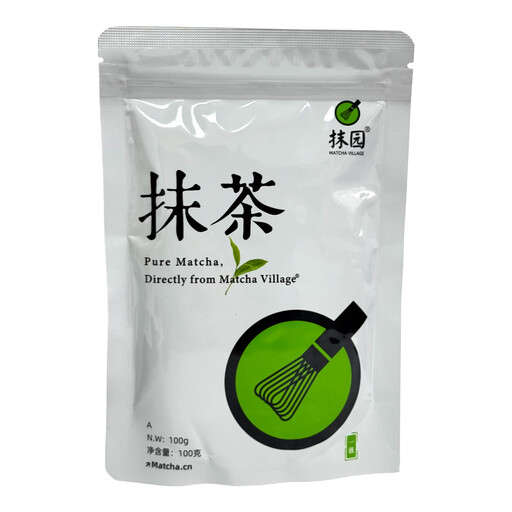
Why it suits this profile: This is a single ingredient: steamed green tea. You can use it for tea, smoothies, desserts and baking without buying a sweetened latte mix.
The ingredients list contains no sugar, milk powder or creamer. You can decide how much sweetener or milk to add.
100 grams of loose matcha powder, 28 grams of protein per 100 grams according to the product information, and suitable for a range of uses. Store in the fridge after opening as stated on the label.
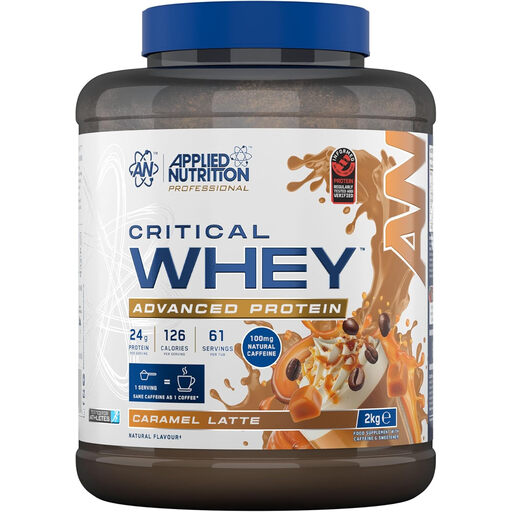
Why it suits this profile: The large pack is designed for adults who use protein powder regularly around exercise or as a protein-rich snack.
The product information states that each 33-gram serving contains 24 grams of protein and 100 mg of caffeine. This allows you to compare the quantities accurately. The product contains milk and may contain traces of other allergens.
2 kg of product, a protein blend containing several forms of whey protein, and a fixed mixing ratio of 300–400 ml of water per serving. Not suitable for children; follow the warnings on the packaging.
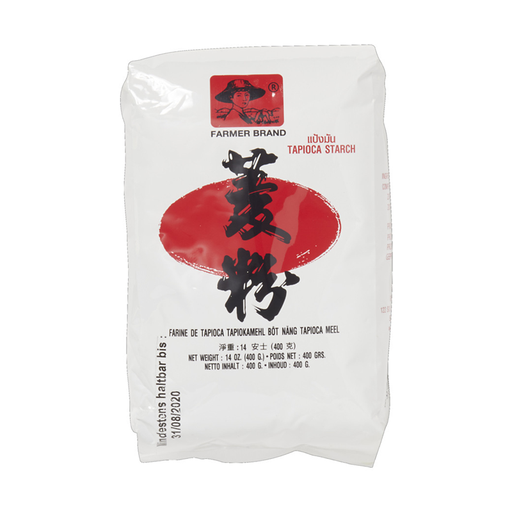
Why it suits this profile: This powder is intended as an ingredient for sauces, soups, desserts and Asian recipes, not as a drink or supplement.
The product description lists tapioca starch as the only ingredient. You are not paying for sweeteners or flavourings that you do not need for cooking.
400 grams, a neutral flavour and a fine texture. The product information states that it is suitable for a gluten-free diet and contains none of the 14 major EU allergens.
We have put together a complete, up-to-date list of products that fully meet these strict selection criteria and the applicable European safety regulations.
Choose a breakfast powder with clear serving sizes and preparation instructions. A product containing oats, grains or soya can be practical when you are short on time. However, check for milk, soya and gluten allergens first. Matcha powder or cocoa powder is more suitable as an ingredient for a drink or recipe than as a complete breakfast.
This varies from one product to another. Powder should generally be stored in a cool, dry place away from direct sunlight. Seal the packaging securely and prevent contact with moisture. The exact best-before date and any recommended period after opening are stated on the packaging. Do not use a product if the packaging is damaged or if you notice obvious clumps caused by moisture, a change in smell or discolouration.
No. Protein powder or whey powder is one type of food supplement, while food supplements may also contain vitamins, minerals or other ingredients. Compare the purpose, ingredients, allergens and recommended serving size. Choose a powder that suits your everyday needs rather than focusing solely on claims or pack size.
