
Vandaag of morgen in huis

Kwaliteit gegarandeerd

Welkomstaanbiedingen ontgrendelen: GRATIS bezorging | Tot 80% korting | Gratis 30 dagen JoyPlus-proefperiode
Download de app
Anyone searching online for nut and seed snacks will quickly come across dozens of varieties: natural, roasted, salted, sweetened or seasoned with an international spice blend. The difference is not just in the flavour. The packaging, allergen information, shelf life and preparation method also determine whether a product suits your needs.
Whether you are looking for roasted peanuts for a drinks party, cashews to enjoy on the go, or sunflower seeds and pumpkin seeds as a topping, these checks will help you avoid a disappointing purchase.
A 500-gram or 1-kilogram pack may seem appealing, but it is not suitable for every household. Once opened, nuts and seeds can lose their crunch if the bag is not sealed properly. A larger size is mainly practical if you eat the product regularly, use it in baking or share it with several people.
For occasional snacking, 100- to 300-gram bags are often easier to manage. As well as the total price, check the price per 100 grams.
Always check the ingredients list. A product containing only nuts or seeds has a different composition from a mix with oil, sugar, syrup, flour, flavourings or salt. Seasoned nuts, party nuts and Thai snacks may, for example, have a crunchy coating that contains wheat.
Also check the nutrition table. The amount of salt varies considerably from one product to another. Hui Ji Salted Dry Peanuts, for example, contain 2.06 grams of salt per 100 grams, while g’woon Cashew Nuts Roasted & Unsalted contain 0.067 grams of salt per 100 grams.
Not every nut or seed snack is ready to eat straight away. Haoxiangni Thin-Shelled Walnuts, for example, are supplied in their shells. Frozen products also have different storage requirements from dry snacks. Always read the information about use and storage before buying.
European labelling regulations require allergens to be clearly listed in the ingredients list or in a separate allergen statement. For nuts, relevant allergens include cashews, walnuts, pistachios, macadamia nuts and pine nuts. Peanuts, sesame seeds and cereals containing gluten may also be present in seasoned or coated varieties.
Do you have an allergy or food intolerance? Always check the current packaging. Information about possible cross-contamination may vary from one production batch to another.
For a natural snack, look for a short ingredients list, such as “100% peanuts” or “100% white sesame”. Oil and salt may be added to roasted varieties. g’woon Salted Peanuts, for example, consist of 99% peanuts, sunflower oil and 0.7% salt.
Sweet or Thai snacks may contain sugar, coconut cream powder, syrup or flavourings. Koh-Kae Coated Peanuts Coconut Cream contains peanuts, wheat, sugar, coconut cream powder, vegetable oil and salt, among other ingredients. This makes it a good choice for anyone who enjoys a sweet, tropical flavour, but less suitable if you are looking exclusively for natural nuts.
Check the net quantity and how the packaging closes. A resealable bag helps keep moisture out, but dry nuts and seeds should also be stored in a cool, dry place away from direct sunlight. Seal the packaging properly after every use.
For products such as lotus seeds or boiled peanuts, check whether they are supplied frozen. Mooijer’s product information states that these products must remain frozen and should be refrigerated after thawing. Do not refreeze after thawing.
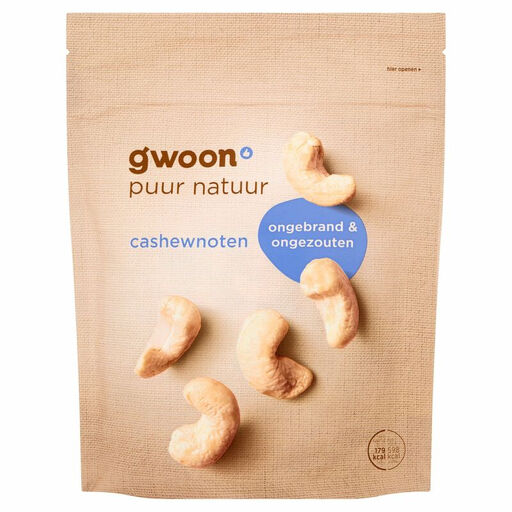
Why it suits this profile: The 200-gram pack is practical if you want to try a modest quantity of cashews first or regularly buy a small supply.
The product listing specifies roasted, unsalted cashews and a short ingredients list. This means you do not need to buy a large, heavily seasoned mix if you are looking for a mild flavour.
200 grams; roasted; 0.067 grams of salt per 100 grams according to the product information; suitable for eating straight away.
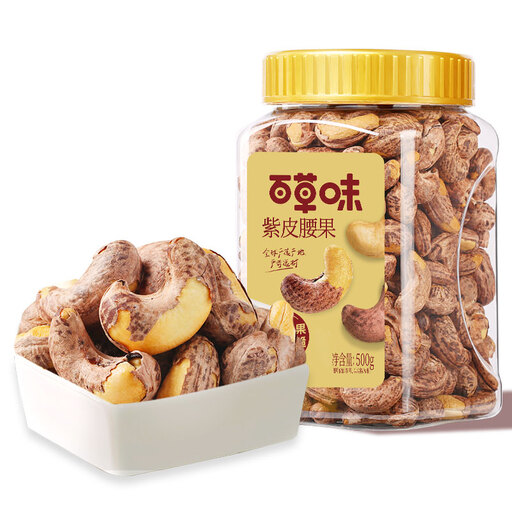
Why it suits this profile: The 500-gram size is ideal for enthusiasts who regularly serve cashews, use them in baking or keep them in the cupboard as part of their supplies.
The product details state that it contains a lightly salted blend of cashew kernels and salt. This allows you to compare the flavour and salt content with other seasoned nuts in advance.
500 grams; ready to eat; 60.1 grams of fat and 1.2 grams of salt per 100 grams according to the product information; also suitable for baking.
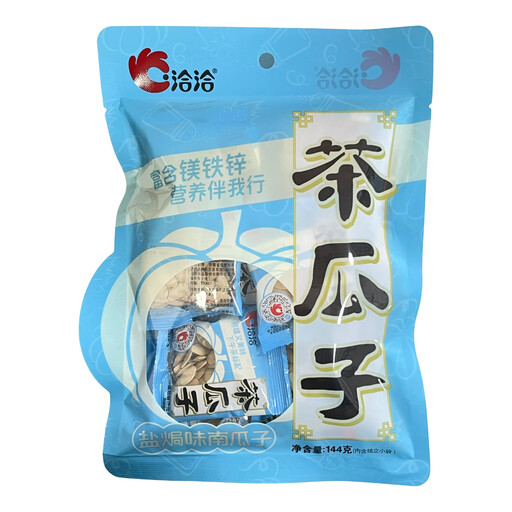
Why it suits this profile: These pumpkin seeds are ideal both for snacking and as a topping for salad, yoghurt, ice cream, noodles and other dishes.
The flavour is clearly described as salt-roasted with green tea. This avoids confusion if you are expecting a neutral topping or natural seeds instead.
144 grams; ready to eat; green tea powder as a flavouring component; according to the product information, 35 grams of protein and 1,200 mg of sodium per 100 grams.
We have put together a complete, up-to-date list of products that fully meet these strict selection criteria and the applicable European safety requirements.
That depends on the texture and flavour you are looking for. Sesame seeds, sunflower seeds and pumpkin seeds are practical for salads, noodles, yoghurt and rice dishes. If you want to save time, choose a variety that is already roasted and ready to use.
Store dry snacks in a tightly sealed container in a cool, dry place away from sunlight and heat. Use resealable packaging or an airtight storage container. Check the specific instructions on the packaging with every purchase. Frozen products belong in the freezer and should be used within the stated period after thawing.
Buying nuts online can be convenient when you want to compare pack sizes, ingredients and the price per 100 grams. A larger bag may offer better value if you use it regularly, while smaller packs can help reduce waste. Therefore, do not just compare the special offer; also consider the net quantity, ingredients, storage requirements and shelf life.
