Choose a nut snack based on the ingredient you need to avoid, rather than relying on a label such as gluten-free or lactose-free. AH Amandelen ongezouten is labelled as both, but contains almonds and, according to the product information, may also contain peanuts and other nuts. This means it isn’t a suitable choice if you have a nut or peanut allergy, despite those dietary claims. Check the packaging every time you buy, and agree how snacks will be stored in a shared kitchen.
Who is this guide for?
Students avoiding specific allergens
You’re looking for snacks for your first cupboard, but need to avoid almonds, other nuts or peanuts, for example. The ingredients list and any warning about possible cross-contamination matter more than a general snack or dietary claim.
Students eating gluten-free or lactose-free
You’re looking for a nut snack with a claim that matches what you want to avoid. Avoiding gluten, avoiding lactose and having a food allergy are different considerations; one claim doesn’t replace another.
Students sharing a food cupboard
You want to store snacks separately and clearly, and agree how to manage them with your housemates. The Dutch Coeliac Society recommends that students eating gluten-free use their own storage space, separate containers and labels, among other measures.
What should you look for when choosing?
Start with the specific ingredients you need to avoid, then check the claim for the exact product variant. If you share a kitchen, think ahead about keeping your snacks separate and easy to identify.
| What to consider |
What should you check? |
Who is this important for? |
| Avoiding the right allergen |
Make a note of what you need to avoid, then read the full ingredients list and any warnings about possible cross-contamination. |
If you need to avoid almonds, other nuts or peanuts, for example, you’ll want to know exactly what the packaging says. Around 33% of consumers say avoiding a specific allergen is their top priority. |
| Choosing a suitable dietary claim |
Check that the claim applies to the exact product variant and that it relates to avoiding gluten or lactose. |
If you want to avoid gluten or lactose, look for a claim that matches your needs. Lactose-free does not, by itself, mean suitable for someone with a cow’s milk allergy. Around 27% of consumers prioritise a suitable gluten-free or lactose-free claim. |
| Storing snacks separately |
Set aside a clearly identifiable space of your own, and agree with your housemates how food will be stored and shared. |
If you’re storing snacks in shared student accommodation, you’ll want to be able to keep them separate and easy to identify, in line with your agreements. Around 20% of consumers say shared storage is their main consideration. |
| Pack size and storage |
Compare the net weight and follow the storage and resealing instructions for your chosen variant. |
If you’re choosing a pack to suit how much you use and the space available, pack size and storage are practical things to consider. Around 20% of consumers prioritise managing their supplies. |
Common mistakes
-
Assuming ‘free from’ means free from all allergens
A product can be gluten-free or lactose-free and still contain nuts or peanuts. AH Amandelen ongezouten carries these dietary claims, but contains almonds and, according to the product information, may also contain peanuts and other nuts.
Match each claim to the specific ingredient you need to avoid, and check the information for the exact product variant.
-
Confusing lactose-free with suitable for a cow’s milk allergy
Lactose is milk sugar, whereas a cow’s milk allergy is a reaction to milk proteins. The terms therefore address different things.
If you have a cow’s milk allergy, check the information about milk and milk proteins, not just the lactose-free claim.
-
Not checking familiar packaging again
The ingredients information on a pack may differ from what you expect or what you’ve read before.
Read the full ingredients list and warnings every time you buy, even if you already know the product. The Food Allergy Foundation recommends checking the entire package again each time.
-
Sharing a suitable product without agreeing how to store it
In a shared kitchen, confusion about storage and use can make it harder to keep snacks separate and easy to identify. The Dutch Coeliac Society advises students to discuss their diet with housemates and arrange their own storage space.
Before sharing, agree which products need to be kept separate, and make sure your own snacks are easy to identify.
Keeping snacks separate and their packaging easy to identify may take extra organisation in a shared food cupboard.
Brands to consider
Duyvis
The Unsalted Almonds variant reviewed is an almond snack in a 125 g pack.
- Duyvis publishes the ingredients and allergen information for this variant: almonds and sunflower oil.
- The packaging says it may contain peanuts and various nuts. ‘Unsalted’ doesn’t mean the snack is allergen-free.
Albert Heijn
AH Amandelen ongezouten 190 g is worth considering if you’re looking for an explicit gluten-free or lactose-free claim.
- The product page says gluten-free and lactose-free, and lists almonds as an ingredient.
- This variant contains almonds and may contain peanuts and other nuts. These claims don’t make it a snack that’s free from all allergens.
Jumbo
According to its product page, Jumbo Ongezouten Amandelen 140 g contains 99% almonds and sunflower oil.
- The product page lists the ingredients and allergens for this variant.
- This variant contains almonds and may contain peanuts; ‘unsalted’ is not a free-from claim.
Lidl
Alesto is Lidl’s range of nuts, dried fruit and party snacks; the Dutch product page describes a 200 g bag of almonds.
- The product page states the pack size for the almonds.
- The range and product information don’t guarantee that this variant is gluten-free, lactose-free or allergen-free.
Aldi
ALDI Netherlands lists TRADER JOE’S Amandelen 200 g in roasted salted and roasted smoke-flavour variants.
- The packaging is described as resealable.
- The variant names and packaging alone don’t show that the product is gluten-free, lactose-free or allergen-free.
PLUS
PLUS Amandelen ongebrand en ongezouten 200 g is a roasted-free, unsalted almond snack that has been reviewed.
- PLUS publishes the ingredients, allergens and storage advice for this variant.
- This variant contains almonds and may contain several other nuts and peanuts. A vegan claim doesn’t rule out these allergens.
Joybuy products
If you’re moving into student accommodation and are also considering a snack outside the nut category. Check the packaging against the specific ingredients you need to avoid; crisps aren’t a nut snack.
 No image available
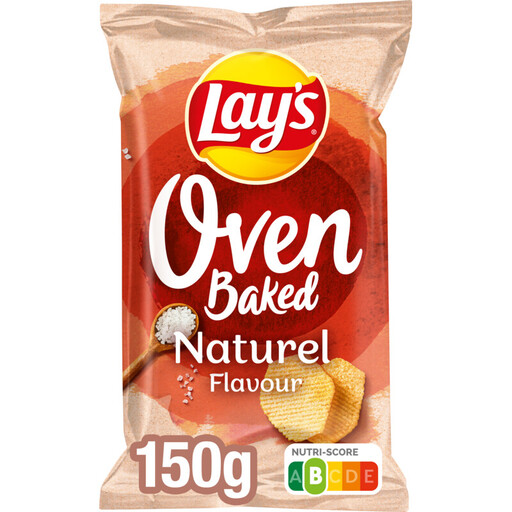
Lay’s Oven Baked Natural - 150 g
These are crisps, not a nut snack. Check the label for ingredients and warnings relevant to what you need to avoid.
View at Joybuy
Frequently asked questions
What does ‘may contain’ mean on packaging?
‘May contain’ warns of possible cross-contamination; it doesn’t mean the allergen has deliberately been added as an ingredient. According to the Netherlands Food and Consumer Product Safety Authority, this kind of warning is based on a risk assessment for the product.
Is lactose-free the same as suitable for a cow’s milk allergy?
No. Lactose intolerance concerns lactose, or milk sugar; a cow’s milk allergy concerns milk proteins. The Netherlands Nutrition Centre explains this distinction, so if you have a cow’s milk allergy, check the information about milk and milk proteins.
Should I check the packaging again if I already know the product?
Yes. Check the full ingredients list and warnings again every time you buy. The Food Allergy Foundation recommends reading the entire package each time, even for a product you’ve bought before.
How should I store gluten-free snacks in student accommodation?
Talk to your housemates about your diet and choose a clearly identifiable storage space of your own. The Dutch Coeliac Society suggests using a separate container or cupboard and clear labels, for example; agree too on which products won’t be shared.
What product information should I check on packaging in the Netherlands?
Check the ingredients and allergen information on the packaging for the exact product variant. According to the Netherlands Food and Consumer Product Safety Authority, allergen information for pre-packed products must appear on the label.


