First, identify the ingredient or substance you actually need to avoid: gluten-free or lactose-free does not mean a product is free from peanuts or tree nuts. For parents who can eat peanuts, Albert Heijn lists its 250 g and 300 g unsalted peanut varieties as gluten-free and lactose-free. If you have an allergy, the specific allergen and any warning about possible traces are what matter. Breastfeeding does not in itself require a preventative exclusion diet, and whole nuts are not suitable for children under 4.
Who are these nut snacks for?
Parents who need to avoid an allergen
You’re looking for a snack that suits a specific need, such as avoiding peanuts, a particular tree nut or milk. Check the label for the relevant allergen and any warning about possible traces; a general ‘allergen-free’ claim isn’t enough.
Parents avoiding gluten or lactose
You want a nut snack with a claim that fits your diet, without assuming that it’s also free from other allergens. Albert Heijn lists the 250 g and 300 g unsalted peanut varieties reviewed as gluten-free and lactose-free.
Parents looking for a simple snack
You can eat nuts and want an unsalted snack that takes little preparation. According to the Netherlands Nutrition Centre, you don’t need to follow a special diet as a precaution while breastfeeding; whole peanuts and nuts are not suitable for children under 4.
What should you look for when choosing?
Start with the restriction that applies to you: a gluten-free or lactose-free claim doesn’t tell you whether a product contains peanuts or tree nuts. Check the ingredients, allergen warnings and intended use separately.
| What to consider |
What should you check? |
Who is this important for? |
| Avoiding a specific allergen |
Check both the ingredients and warnings about possible traces, and assess them in line with the advice you’ve been given. |
If I have a specific peanut or nut allergy, I want to check whether that particular allergen could be present. Around 31% of consumers say avoiding a specific allergen is their top priority. |
| A gluten-free claim |
Check the claim on the exact variety, and assess peanuts and other allergens separately. |
If I need to avoid gluten and can eat peanuts, I look for an explicit gluten-free claim on the product. Around 25% of consumers put suitability for their diet first. |
| Lactose or milk protein |
Establish whether you need to avoid lactose or milk protein, then check the information relevant to your restriction. |
If lactose intolerance or a milk-related restriction determines my choice, I don’t want to assume that ‘lactose-free’ also means suitable for someone with a milk protein allergy. Around 19% of consumers say this clarification is their top priority. |
| Choosing a practical unsalted snack |
Compare pack sizes and follow the storage and resealing instructions after opening. |
For an everyday snack, I’m looking for an unsalted variety in a pack size that’s easy to store. Around 13% of consumers put everyday convenience first. |
| A snack for a young child |
Keep whole nuts away from children under 4; follow age and preparation guidance when introducing them. |
If my young child is eating too, I want to distinguish between my own snack and a suitable form for my child. Around 12% of consumers say this safety consideration is their top priority. |
Common mistakes
-
Assuming gluten-free or lactose-free means free from all allergens
According to Albert Heijn, the AH peanuts reviewed are gluten-free and lactose-free, but they contain peanuts and may contain tree nuts. These dietary claims don’t make them suitable for everyone who needs to avoid peanuts or nuts.
Start with the specific allergen you need to avoid, and check the ingredients and warnings separately from other dietary claims.
-
Assuming a short ingredients list rules out cross-contamination
PLUS Walnuts lists walnuts as an ingredient, but warns that the product may also contain peanuts and other tree nuts.
Check the warning about possible traces too, and assess it in line with the advice you’ve been given.
-
Assuming a snack that’s suitable for a parent is also suitable for a baby
The Netherlands Nutrition Centre advises against giving whole peanuts or nuts to children under 4 because of the risk of choking.
Keep whole snack nuts separate from food for adults. For young children, follow the guidance on suitable forms, such as ground nuts or nut butter.
-
Starting an exclusion diet while breastfeeding without a medical reason
According to the Netherlands Nutrition Centre, breastfeeding does not in itself require a special diet. Cutting foods out without a medical reason can limit your food choices and make meal planning more difficult.
Choose foods based on your own established dietary needs. If you think your baby may be reacting to a food, speak to your GP rather than cutting out a wide range of allergens yourself.
An unnecessarily restrictive diet can limit your everyday food choices and make it harder to plan what you eat.
Brands to consider
Albert Heijn
A relevant own-brand option for parents who can eat peanuts and are looking for an explicit gluten-free or lactose-free claim.
- Albert Heijn lists the 250 g and 300 g unsalted varieties reviewed as gluten-free and lactose-free. The product information lists 96% peanuts and sunflower oil.
- Both varieties contain peanuts and may contain tree nuts; these claims are not a general guarantee that the products are suitable for people with allergies.
Duyvis
Nut and peanut snacks made in different ways; the unsalted peanut variety is a possible everyday snack for people who can eat the relevant allergens.
- Jumbo’s product information lists peanuts and sunflower oil for Duyvis Unsalted Peanuts, 235 g.
- The variety contains peanuts and may contain nuts. Duyvis refers customers to the packaging and product checker for cross-contamination information; this is not an independent safety test.
Jumbo
An own-brand option for unsalted almonds, for people who can eat almonds.
- Jumbo’s product information lists 99% almonds and sunflower oil for its 140 g unsalted almonds.
- Almonds are an allergen, and the product may also contain peanuts. This almond variety isn’t suitable if you need to avoid almonds, and it doesn’t guarantee that peanuts are absent.
PLUS
An own-brand option for unroasted, unsalted walnuts.
- The ingredients information for the 200 g stand-up pouch of walnuts lists walnuts.
- The product may contain peanuts and other tree nuts. A short ingredients list therefore doesn’t rule out possible cross-contamination.
Lidl
The Alesto range includes nuts and dried fruit for snacks and toppings.
- Lidl’s range information includes cashew nuts, among other products.
- A description of a product range doesn’t confirm that a specific variety is gluten-free, lactose-free, peanut-free or suitable for someone with a nut allergy. Check the exact product.
ALDI
A supermarket range with various nuts, including unsalted varieties.
- Official range information includes roasted, unsalted cashew nuts and unroasted walnuts, among other products.
- A product appearing in the range doesn’t prove that it’s gluten-free or lactose-free, or that it’s free from allergens. Check the information for the exact variety.
Nut snacks at Joybuy
These Joybuy products are nut snacks for adults who can eat the relevant nut; they are not general free-from options. Whole nuts are not suitable for children under 4.
 Image unavailable
g'woon Unsalted Peanuts 250 g
A good choice for an unsalted snack if you can eat peanuts.
The product information lists 99% peanuts and sunflower oil; the product may contain cashew nuts.
Joybuy
 Image unavailable
g'woon Cashew Nuts Roasted & Unsalted 200 g
A good choice for a roasted, unsalted snack if you can eat cashew nuts.
Contains cashew nuts; avoid this variety if you need to avoid cashews or tree nuts.
Joybuy
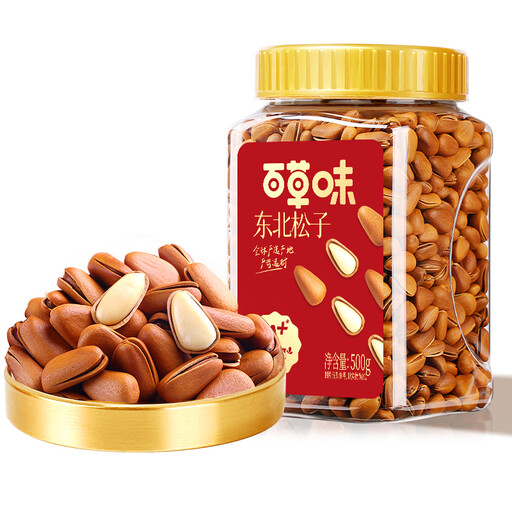 Image unavailable
BE&CHEERY Northeast Pine Nuts 500 g
According to the product information, the pine nuts are ready to eat; the description also suggests using them in dishes.
The product information lists at least 98% pine nuts and palm oil. Pine nuts are tree nuts; avoid them if you need to avoid tree nuts.
Joybuy
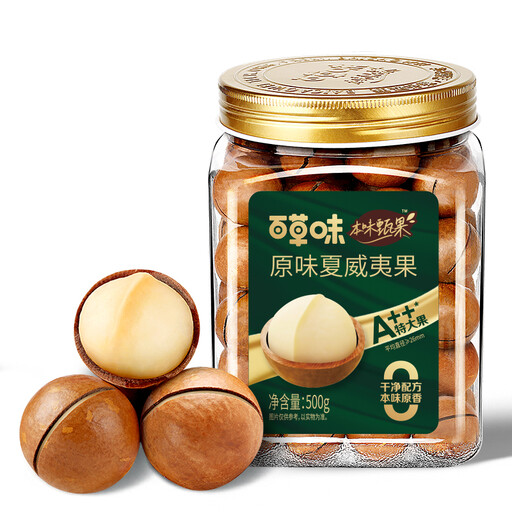 Image unavailable
BE&CHEERY Premium Macadamia Nuts 500 g
A good choice as a snack or baking ingredient if you can eat macadamia nuts.
The product information lists 100% macadamia nuts, with no added salt, sugar or seasoning.
Joybuy
 Image unavailable
Verse Extra Large Roasted Peanuts 210 g
A good choice for a roasted snack with no added salt if you can eat peanuts.
The product information lists 100% peanuts and no added salt; the product contains peanuts.
Joybuy
Frequently asked questions
Should you avoid nuts as a precaution while breastfeeding?
No. Breastfeeding does not in itself require a special diet. The Netherlands Nutrition Centre says a diet recommended by a doctor is an exception; if you have a diagnosed allergy, that remains relevant to what you eat.
Can you give whole snack nuts to your baby too?
No. The Netherlands Nutrition Centre advises against giving whole peanuts or nuts to children under 4 because of the risk of choking. For introducing peanuts, it recommends smooth 100% peanut butter with no added salt or sugar. If your child has severe eczema or a food allergy, speak to their doctor or dietitian first.
Is ‘gluten-free’ a legally regulated claim?
Yes. The European Commission refers to Implementing Regulation (EU) No 828/2014 for the requirements for ‘gluten-free’ and ‘very low gluten’, which has applied since 20 July 2016. A gluten-free claim doesn’t tell you whether peanuts, tree nuts or milk are present.
How should you store opened nuts?
Store nuts in a dry place in a tightly sealed container, and follow the instructions on the packaging. For the AH peanuts reviewed, Albert Heijn advises storing them in a cool, dark, dry place and resealing the packaging properly after use.


