What to look for in a nut snack
First, check that the ingredients and warnings are suitable for what you need to avoid. Then look at the dietary information and packaging for taking snacks with you or handing them out.
| What to consider |
What to look for when buying |
Who is this important for? |
| Avoiding a specific allergen |
Read the ingredients and warnings for the substance you need to avoid. |
If I need to avoid a specific allergen, I want to check the exact packaging to see which nut or peanut may be present. Around 31% of consumers put avoiding that allergen first. |
| Choosing a gluten-free snack |
Check the gluten-free label, ingredients and warnings on the exact packaging. |
If I avoid gluten, I also want to check the information about the finished product and possible cross-contamination. Around 25% of consumers say avoiding gluten is their primary purchasing need. |
| Distinguishing lactose intolerance from a milk allergy |
Work out whether you need to avoid lactose or milk ingredients, then check the relevant information. |
I want to know whether my dietary concern is lactose or an allergy to milk proteins; they’re not the same. Around 19% of consumers put lactose or milk first when checking a product. |
| Taking snacks with you and handing them out |
Check the packaging on offer, storage instructions and how the snacks will be served. |
If I’m handing out snacks, I want to keep the packaging information with them and prevent contact with other snacks. Around 13% of consumers say taking snacks with them and handing them out is their main practical concern. |
| Buying enough for a group |
Check the size and ingredients of the pack you plan to take with you. |
When I’m buying for a group, I want to plan the quantity without losing sight of whether the snacks suit everyone’s dietary needs. Around 12% of consumers put the quantity needed for a group first. |
Joybuy products for this occasion
The product selection below ranges from chestnuts and almonds to cashews, peanuts and a nut mix. Check each product separately against its ingredients and allergen information; these options aren’t interchangeable for every dietary need.
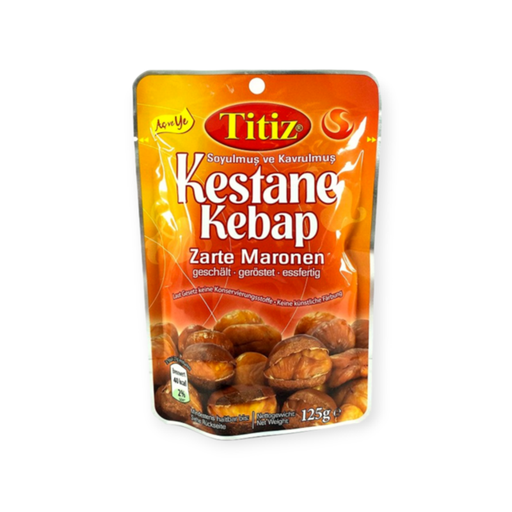 Image unavailable
Titiz Roasted Chestnuts, 125 g
The product information states that these are gluten-free; check separately whether chestnuts are suitable if you need to avoid a nut.
View at Joybuy
 Image unavailable
g'woon Cashews, roasted and unsalted, 200 g
A roasted, unsalted option if you can eat cashews; the product information also lists other tree nuts.
View at Joybuy
 Image unavailable
g'woon Peanuts, unsalted, 250 g
This option is only suitable if you can eat peanuts; the product information notes the possible presence of cashews.
View at Joybuy
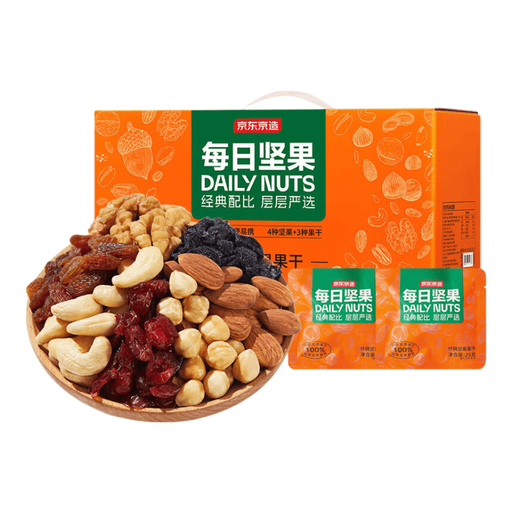 Image unavailable
J.ZAO Classic Daily-Nut Mix, 750 g, 30 sachets
The individual sachets may be convenient for handing out. The mix contains walnuts, almonds, cashews and hazelnuts.
View at Joybuy
 Image unavailable
Jia Zhou Yuan Ye Original Almond Kernels, 160 g
A single-nut almond option to consider if almonds suit your diet; the product name specifies almond kernels.
View at Joybuy
Frequently asked questions
Can I eat peanuts if I have a nut allergy?
Don’t assume so based on that distinction alone. A peanut is a legume, not a nut, but that doesn’t prove it’s safe for you to eat. Base your choice on your diagnosed allergy and the product information. Don’t experiment on your own, and ask your healthcare professional if you’re unsure.
Is lactose-free the same as suitable for someone with a milk allergy?
No. Lactose intolerance relates to milk sugar, while a food allergy is a reaction to proteins. A lactose-free label alone therefore doesn’t tell you whether a snack is suitable for someone with a milk allergy.
Does a festival seller need to be able to explain which allergens are in loose snacks?
Yes. According to the Netherlands Food and Consumer Product Safety Authority, allergen information must be available before purchase. For nuts, it should be clear which types are involved. Information can be given verbally under certain conditions: it must be readily available, also in writing or electronically for staff and inspectors, and there must be a visible notice telling customers they can ask for it.
What does ‘may contain’ mean on a pack?
It warns that the product may contain an unintended substance as a result of cross-contamination. The Netherlands Food and Consumer Product Safety Authority explains that such a warning is based on a risk assessment. Since 1 January 2026, the NVWA has been enforcing the new rules on allergen information. Examples of warnings it gives include ‘May contain X’ and ‘Not suitable for people with an X allergy’.
Are whole nuts suitable as a snack for young children?
Don’t automatically choose whole nuts for young children. Albert Heijn warns that young children can choke on nuts and peanuts.


