
Same-day & Next-day Delivery

Quality Guaranteed

Unlock Your Welcome Offers: FREE Delivery | Up to 80% OFF | Free 30-day JoyPlus trial
Download the APP
Nut and seed snacks are handy for eating on the go, at work, during a gathering or as an ingredient in a recipe. The range includes everything from roasted nuts and sunflower seeds to pumpkin seeds, peanuts, walnuts, cashews and dried fruit and nut mixes.
However, eye-catching packaging tells you little about what you are actually buying. If you focus only on flavour or a low price, you could end up with a bag that quickly turns soft after opening, a product with lots of added salt or packaging that is less practical than expected.
A 500-gram bag can be useful for a family, regular baking or stocking the cupboard. However, if you only snack occasionally, the contents may remain open for a long time. Nuts and seeds absorb moisture and odours, which reduces their crunch.
So do not just check the price. Also look at the net quantity, the closure and the advice on consuming the product soon after opening.
Roasted nuts and seeds may contain added salt, sugar, syrup, oil, flavourings or sweeteners. This applies, for example, to seasoned peanuts, flavoured sunflower seeds and sweet macadamia nuts.
Check the ingredients list and nutritional information per 100 grams. Pay particular attention to salt, sugars, saturates and the serving size. A product may be marketed within a healthy snacks category, but its ingredients and nutritional content are what really matter.
Some walnuts come in a hard shell and require preparation. Other products are ready to eat. Chestnuts can be soft and sweet, while pine nuts are particularly suitable for salads, pesto, baking recipes or garnishing.
So check whether the product is ready to eat, whether it comes in a shell and what the packaging says it is intended for.
Nuts and seeds are often covered by European allergen labelling requirements. Check the label to see which ingredients are present. Products containing cashews, walnuts, almonds, hazelnuts, macadamia nuts or pine nuts should identify the relevant allergen.
With dried fruit and nut mixes, also check for added sugar or oil in ingredients such as cranberries and raisins. Snacks from Asian or Turkish cuisine may also contain added spices, flavour enhancers and sweeteners.
The information per 100 grams makes it easier to compare products. The supplied product information shows that the values can vary considerably. For example, 7FRESH Chestnut Kernels contains 185 kcal per 100 grams and 0 grams of fat according to the product listing. ChaCha Caramel-Flavored Sunflower Seeds lists 608 kcal, 48.3 grams of fat and 1.2 grams of salt per 100 grams.
That does not mean one product is suitable for everyone. It does show why you should check the table rather than relying only on terms such as “light”, “pure” or “natural”.
Small bags are practical for lunchboxes, commuting and the office. ChaCha Daily Nuts, for example, comes as 5 portions of 23 grams, making it easier to divide into servings. Larger 300- or 500-gram packs are better suited to frequent use, baking or sharing.
Store opened nuts and seeds according to the packaging advice: usually somewhere cool and dry, away from direct sunlight. Seal the bag properly and check the best-before date on the packaging. For products with a high oil content, such as macadamia nuts and pine nuts, an airtight storage container is practical.
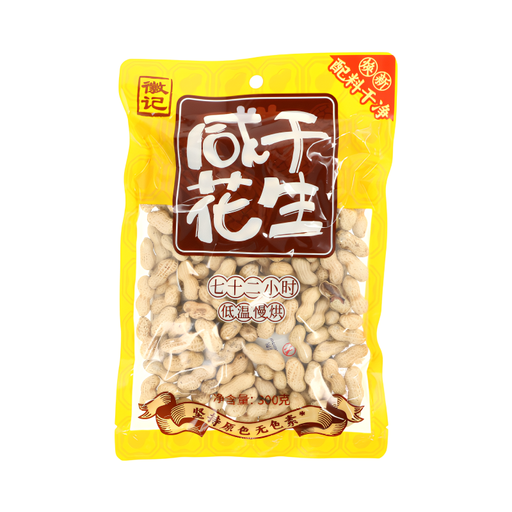
Why it suits this profile: A 300-gram bag is suitable for sharing at home or using over several occasions. According to the product description, the peanuts are roasted and ready to eat.
The ingredients list and nutritional information are available: 2.06 grams of salt and 639 kcal per 100 grams. This means you can base your choice on the facts.
300 grams, ready to eat and supplied in sealed packaging according to the product information.
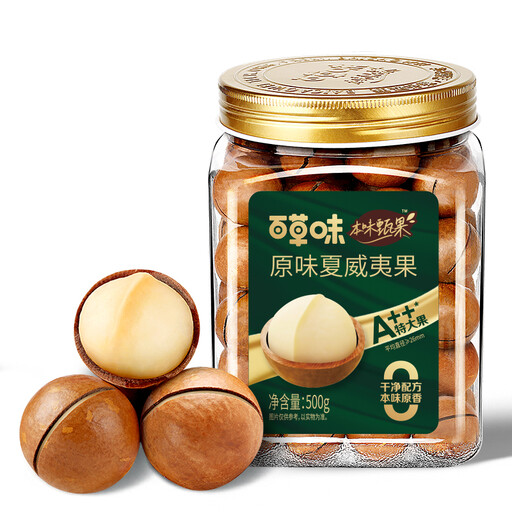
Why it suits this profile: According to the product information, this large pack contains 100% macadamia nuts, with no added salt, sugar or spices. That makes it a good choice for anyone looking for a simple ingredient list.
The product specification clearly states the ingredients. You do not have to guess how much flavouring or oil has been added.
500 grams, 100% macadamia nuts according to the product listing, and suitable for snacking, baking or garnishing.
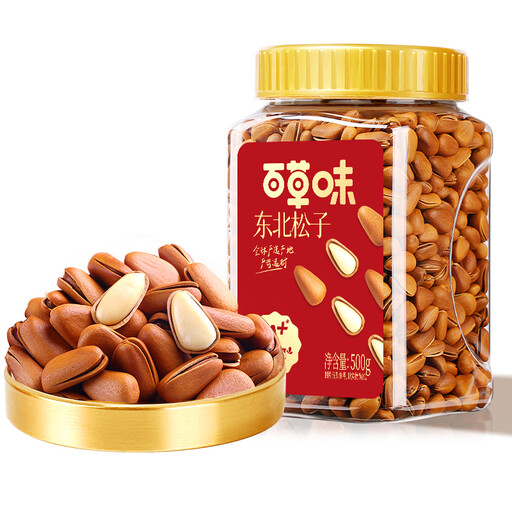
Why it suits this profile: The 500-gram pack is practical if you often cook, bake or use pine nuts in salads, pesto and Asian recipes.
The packaging states that it contains at least 98% pine nuts and indicates that it can be used both as a snack and in cooking. Keep the opened bag tightly sealed.
Large pack, at least 98% pine nuts according to the product information, and versatile in use.
Fans of Asian snacks can choose from seasoned or flavoured sunflower seeds, among other options. ChaCha Caramel-Flavored Sunflower Seeds 160g combines roasted sunflower seeds with a caramel flavour. ChaCha Sunflower Seeds, Spiced Flavour, 200g is a savoury alternative. The coconut and green tea varieties offer a different flavour profile too.
If you are looking for Turkish snacks, consider Anatolia Salted Roasted Pumpkin Seeds 340 g, Anatolia Ceviz Premium (Walnut) 350 gr or Titiz Candied Chestnut 125 g. According to the product listing, the last of these contains chestnuts and white sugar. This makes it a sweet snack, rather than the same type of choice as plain roasted nuts.
For portions on the go, ChaCha Daily Nuts 115g (23g x 5) is easy to manage. The mix contains walnuts, cashews, almonds, hazelnuts, raisins and cranberries. If you have multiple allergies, always check the label before eating.
We have put together a complete, up-to-date list of products that fully meet these strict selection criteria and the applicable European safety regulations.
Choose a small pack or individually portioned servings. A resealable bag helps prevent the contents from quickly absorbing moisture. Products that are ready to eat, such as shelled pistachios, cashews or a nut mix, require no extra preparation.
Store them somewhere cool and dry, away from direct sunlight. Seal the packaging properly or use an airtight storage container. Always follow the instructions on the label and eat the product within the recommended time after opening.
No. The preparation method does not tell you everything about the ingredients. Check the ingredients and nutritional information for added salt, sugar, oil and flavourings. An unsalted or plain variety may have a different composition from a seasoned or sweet snack.
