
People planning their fat intake
You want to fit nuts into your eating plan, so you pay attention to how much you eat and the nutritional values. Unsalted or made without added oil does not mean low in total fat.


Choose a nut multipack based on the weight of each bag and the nutritional values for the amount you actually eat. Individual bags make nuts easier to take with you and share, while a larger pack lets you weigh out your own portions. Unsalted or made without added oil does not mean low in fat. If you have been prescribed a low-fat diet for medical reasons, general portion information does not confirm that a product is suitable for you.
You want to fit nuts into your eating plan, so you pay attention to how much you eat and the nutritional values. Unsalted or made without added oil does not mean low in total fat.
You’re looking for a handy amount to take with you and want to know whether an individual bag suits your planned portion. For young children, also check the product warnings about whole nuts.
You want to divide nuts between several people or eating occasions. Weighing out your own portions can work well, as long as you seal the pack properly and keep the ingredients and allergen information to hand.
First compare the fat content per 100 grams, then work out how much fat is in the portion you actually eat. Next, check that the bag size, storage requirements and ingredients information suit your needs, whether you’re taking nuts with you or sharing them.
| What to consider | What to look for | Who is this important for? |
|---|---|---|
| Fat per portion eaten | Compare the total fat per 100 grams and calculate how much is in your planned portion. For solid foods, the European Commission sets the maximum for a ‘low fat’ claim at 3 grams of fat per 100 grams. | I want to know how much fat is in my own portion, so I check both the label and the amount I eat. For around 36% of consumers, fat intake is their top purchasing priority. |
| Size of the individual pack | Check both the number of bags and the weight of each one; the total contents of the box don’t tell you how much is in a single portion. For young children, also check the warnings on the pack. | For a lunchbox, I want an amount that suits my planned snack, rather than automatically eating the whole bag. Convenience on the go is the top purchasing priority for around 29% of consumers. |
| Portioning and storage | Keep nuts sealed, dry and cool, and follow the instructions on the pack. When dividing them up, keep the ingredients and allergen information to hand too. | If I’m sharing a pack between household members or eating occasions, I want to store the contents properly and know which nuts it contains. Sharing and storage come first for around 21% of consumers. |
| Quantity and cost | Compare the net contents and prices on the same basis, and include any delivery costs. Also work out how many portions you’ll actually get from the pack. | I mainly want to pay for an amount I’ll use, rather than stock I’ll leave uneaten. Cost per portion used is the top purchasing priority for around 14% of consumers. |
The Duyvis packs examined contain bags of 60 or 125 grams. A bag like this may contain more than you intended to eat.
First choose an amount that suits your eating plan, then check the weight of each bag. If needed, divide a larger individual pack into smaller portions.
The way a product is prepared doesn’t tell you how much total fat it contains. For the Duyvis Oven Roasted Noten Mix examined, Jumbo lists 47 grams of fat per 100 grams. That’s above the European Commission’s maximum of 3 grams per 100 grams for a ‘low fat’ claim on solid foods.
Read the nutritional information for the exact variant and calculate the amount for your own portion. Don’t base your choice only on a description on the front of the pack.
Once opened, it’s important to seal the pack properly and follow the product’s storage instructions. If you transfer nuts into separate containers, the original information about shelf life, ingredients and allergens could become separated from the contents.
Keep nuts sealed, dry and cool. Store the original label with the pack or note the product information alongside the portions.
The multipacks examined contain individual bags: salted peanuts in 20 bags of 60 grams and Oven Roasted nut mix in 10 bags of 125 grams. Foods & Goods lists these pack sizes.
The 500-gram AH Notenmix ongezouten is a larger pack for portioning yourself, not an individual multipack. Albert Heijn lists 20 portions of 25 grams.
The 200-gram Jumbo Noten Mix Ongezouten examined is intended for portioning yourself. Jumbo lists eight portions of 25 grams.
Alesto is Lidl’s relevant product range for nuts and dried fruit. The brand page mentions using the products as a snack or topping.
ALDI lists a 500-gram unsalted Trader Joe’s nut mix containing almonds, hazelnuts, walnuts and Brazil nuts.
The PLUS category includes unsalted nuts, including a 500-gram nut mix described as unroasted and unsalted.
These Joybuy products are individually packed nut or chestnut products for taking with you or sharing. Check the weight of each bag against the amount you want to eat.
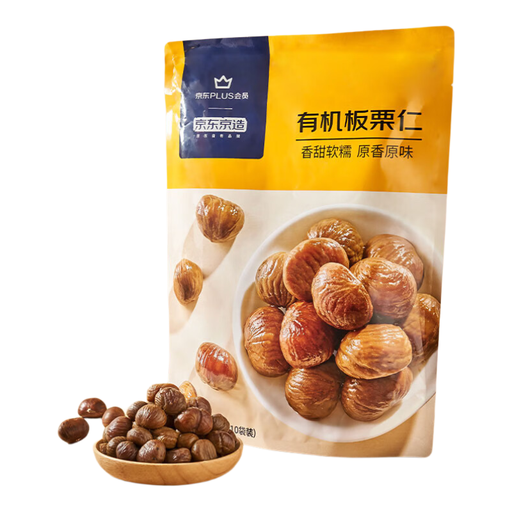 Image unavailable
The individual sachets may be handy for taking with you or sharing; a 100-gram sachet won’t necessarily match your planned snack portion.
The product name lists 1 kg in 10 sachets and peeled, ready-to-eat chestnuts.
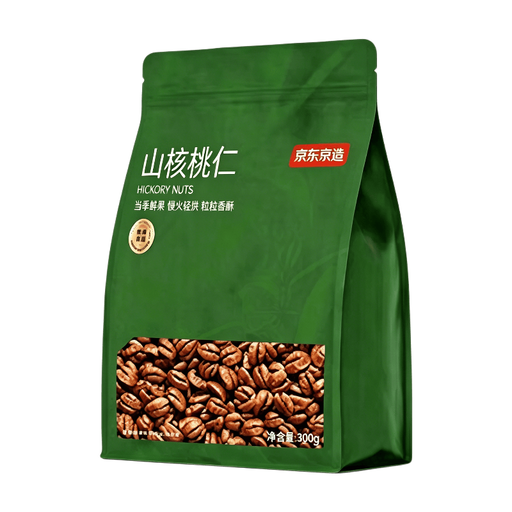 Image unavailable
The product information describes individually packed hickory kernels for when you’re out and about. Check that the amount in each pack suits what you want to take with you.
The product name lists 300 grams and the description ‘Non-Fried’; this preparation claim alone doesn’t tell you the total fat content.
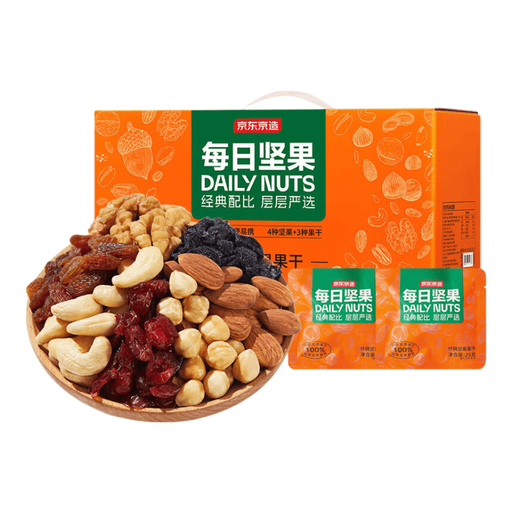 Image unavailable
The box of individual sachets may suit you if you want portions that are ready to take with you or share. Adjust the amount you eat to suit your own eating plan.
The product name lists a total weight of 750 grams and 30 sachets; the product is described as a mix of nuts and dried fruit.
No. A smaller pack doesn’t change the nutritional value per 100 grams. For solid foods, the European Commission sets the maximum for a ‘low fat’ claim at 3 grams of fat per 100 grams.
No. ‘Made without added oil’ describes how the product is prepared, while ‘unsalted’ refers to added salt; neither tells you the total fat content. Check the nutritional information for the exact variant.
Keep them sealed, dry and cool, and follow the instructions on the original pack. Keep the label to hand for information about shelf life, ingredients and allergens; the Netherlands Nutrition Centre recommends storing nuts sealed and dry.
Not without checking the warnings on the specific pack. The product information examined from Albert Heijn and Duyvis warns that young children may choke on nuts or peanuts; a small bag doesn’t remove that risk.
A multipack or general portion suggestion doesn’t confirm that a product is suitable for your diet. Information from Dutch hospitals lists nuts as a source of fat; discuss your choice and portion size with your healthcare or dietary adviser.