
Vandaag of morgen in huis

Kwaliteit gegarandeerd

Welkomstaanbiedingen ontgrendelen: GRATIS bezorging | Tot 80% korting | Gratis 30 dagen JoyPlus-proefperiode
Download de app
A nut mix might seem like a straightforward purchase, but the differences between packs can be significant. Some bags contain mostly peanuts with a crunchy coating, while others are made up of plain nuts, dried fruit or extra flavourings. The size also varies, from a small portion for on the go to a 500 g pack or more for home.
If you only look at the front of the pack, you could end up buying a product that doesn’t quite match what you’re after. So always check the ingredients list, nutritional information, allergens and size.
The term mixed nuts doesn’t automatically mean all nuts are present in equal amounts. In many cocktail nuts, peanuts make up around half of the product. The rest consists of starch, oil, sugar, spices or a crunchy coating.
That’s not a problem if you’re after a spiced party snack. But if you mainly want to eat a variety of plain nuts, it’s important to check the percentages.
A salted nut mix or cocktail nuts often contain extra ingredients that aren’t directly related to nuts. Think potato or wheat starch, sugar, flavourings and salt. Look at the nutritional values per 100 g on the label, not just the portion size.
For example: according to the product information, g'woon Mild Cocktail Nuts contain 1.435 g of salt per 100 g. The g'woon Spicy Cocktail Nuts list 2.1 g of salt per 100 g. Those are significant differences if you have several snack moments a week.
A mix of nuts and dried fruit can be handy for on the go, but dried cranberries and blueberries are often prepared with sugar. The g'woon Cashew Nut Cranberry Mix consists of 50% cashew nuts and 50% sweetened dried cranberries. The product information states 32.5 g of sugars per 100 g.
So a nut mix with dried fruit can be a good fit if you prefer a sweeter snack, but compare the ingredients and nutritional values before you order.
In the EU, ingredients are usually listed in descending order by weight. If “peanuts” comes first, the mix probably contains more of those than almonds, cashews or hazelnuts. Also check the percentages when they are listed.
For an unsalted nut mix, products with only nuts and possibly oil are more straightforward. According to the product description, the g'woon Nut Mix Unsalted contains 29% peanuts, 29% almonds, 16% cashews, 13% Brazil nuts and 10% hazelnuts.
Nuts are energy-dense. In the product information provided, the energy value of plain nut mixes ranges from around 615 to 663 kcal per 100 g. Spiced cocktail nuts are around 512 to 541 kcal per 100 g, but often contain more carbohydrates, salt and added flavourings.
Use the per 100 g table to make a fair comparison:
A portion of around 25 to 30 g can help you keep the amount manageable. That’s not a mandatory standard, but it does align with the portion packs and serving suggestions of various products.
The main EU allergens must be clearly stated on the label. For nuts, this includes peanuts, almonds, cashews, hazelnuts, walnuts, pecans, macadamia nuts and pistachios. Some cocktail nuts also contain milk, wheat, soya, celery or mustard.
Always check the actual packaging, even if an online product description seems to say something different. If you have allergies, warnings such as “may contain traces” are important. Also store an opened bag in a cool, dry place, sealed and away from direct sunlight. The best-before information is on the packaging.

Why this fits the profile: A compact size for anyone who wants to try an unsalted nut mix for the first time, at home or at work.
The product information states 0 g of salt per 100 g and gives percentages of the different nuts, making the composition easier to assess.
200 g pack; mix with peanuts, almonds, cashews, Brazil nuts and hazelnuts according to the product description.
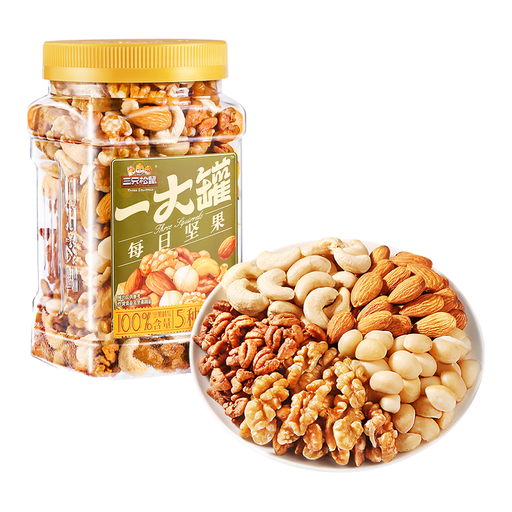
Why this fits the profile: For anyone who wants a larger supply with several nut varieties for home, yoghurt, salads or baking.
The ingredients list names five nut varieties and no artificial colours or preservatives according to the product description.
500 g resealable pack; walnuts 38%, cashews 32% and almonds 18% according to the stated composition.

Why this fits the profile: Handy for anyone who wants to take portions to the office, in the car or on a walk.
The pack contains 30 individual portions. That means you don’t have to open a large bag every time or weigh out your own.
750 g total; mix with walnuts, cashews, dried cranberries, raisins, almonds, blueberries, hazelnuts, macadamias and pistachios.
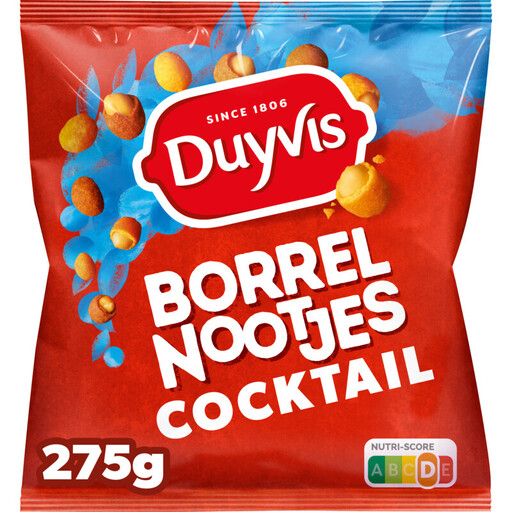
Why this fits the profile: A spiced snack for a drinks party, birthday or any occasion where a crunchy flavour matters more than a plain nut composition.
The product information states 50% peanuts, a portion size of 30 g and around 9 to 10 portions per pack. This makes the composition and quantity clearer to assess.
275 g pack; no artificial colours according to the product description; nutritional information stated per 100 g.
We’ve put together a full, up-to-date list of products that fully meet these strict selection criteria and comply with current European safety regulations.
A portion of around 25 to 30 g is practical for a snack. Check the nutritional value per 100 g and use a small bowl or choose individual portion packs if needed. The right amount depends on your overall diet and personal preference.
An unsalted nut mix contains little or no added salt. A salted nut mix may also contain oil, spices, sugar, starch or flavourings. So don’t just look at the name, but also check the ingredients list and the salt content per 100 g.
Keep the packaging well sealed in a cool, dry place, away from sunlight, heat and moisture. Use a resealable bag or storage jar and check the best-before information on the packaging. Throw the product away if there is an unusual smell, taste or damaged packaging.
