
Choosing a suitable form for a toddler
You want to offer a nut product, so start by considering its form. For children under 4, Voedingscentrum recommends nut butter as an alternative to whole nuts.


For a toddler, choose a suitable form of nut product first, rather than whole nuts. Then assess the ingredients and allergens, not just the fat content. A ‘light’ label alone doesn’t tell you whether a product meets a toddler’s nutritional needs; if your child has specific dietary needs, discuss them with a healthcare professional.
You want to offer a nut product, so start by considering its form. For children under 4, Voedingscentrum recommends nut butter as an alternative to whole nuts.
You’re looking specifically for a lower-fat product, but don’t want to consider the fat content separately from the ingredients and your child’s nutritional needs.
You want to take allergen information into account, as well as the rules at your child’s particular nursery or school. These can vary from one location to another.
For a toddler, the product’s form comes first. Then you can compare the ingredients, allergens, fat content and practicality.
| What to consider | What should you check? | Who is this important for? |
|---|---|---|
| Product form | For children under 4, choose a suitable smooth paste rather than whole nuts; also check whether the product contains pieces. | When choosing something for my toddler, I want to know first whether its form is suitable for the occasion. Around 36% of consumers put choosing a suitable product form first. |
| Fat content and ingredients | Compare the fat per 100 g, the ingredients and any added salt. For a relative claim, check which reference product is named. | If lower fat is my starting point, I also want to know what else is in the spread and whether it suits my child’s nutritional needs. Around 29% of consumers prioritise this balance. |
| Allergens and rules at the location | Read the ingredients and allergen warnings on the packaging, and ask the nursery or school about its rules. | When packing a snack, I want to take relevant allergens and the location’s rules into account. Around 21% of consumers put these checks first. |
| Packaging and storage | Choose a pack size that suits how you’ll use the product and follow the storage instructions. PLUS recommends stirring its tested peanut butter before use. | If the spread is a regular feature at the table, I want packaging and a storage routine that fit my shopping habits. Around 14% of consumers value this practical aspect most. |
A claim about salt or fat doesn’t change the fact that a whole nut is still whole. Voedingscentrum warns against giving young children whole nuts because of the risk of choking.
For children under 4, choose a suitable nut butter instead of whole nuts.
Duyvis describes Oven Baked as made without adding oil or fat, but also lists fat and salt in the finished product.
Assess the preparation claim, nutrition table and ingredients separately.
The Albert Heijn and Jumbo product pages state that the light peanut butter in question is no longer in their range.
Use those pages only as information about a historic product, and check the current packaging and product information.
A product that contains peanuts may also carry a warning about the possible presence of other nuts. The NVWA stresses that allergens must be clearly identifiable on the label.
Read both the ingredients list and any additional warnings on the pack you’re buying.
The AH Terra 100% Pindakaas Naturel reviewed here is an example of peanut butter with a simple ingredients list.
Jumbo’s 100% Pindakaas Naturel is a plain variety to compare with the historic Light formula.
The PLUS 100% pindakaas reviewed here is a peanut butter with information about its ingredients and storage.
Lidl describes Maribel 100% peanut butter in varieties with and without pieces of nuts.
Aldi lists HELAES 100% peanut butter in a 600 g pack.
Duyvis describes unsalted and Oven Baked peanuts, but these products are whole peanuts.
This Joybuy selection includes peanut butter and other nut spreads. The products vary in their ingredients and texture, and they’re not all low-fat alternatives.
 No image available
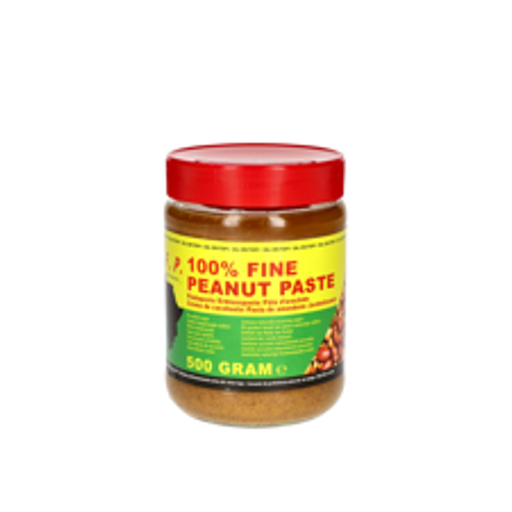
Its smooth peanut paste texture fits the choice of a paste rather than whole peanuts. Before giving it to a toddler, check the ingredients and allergen warnings on the packaging.
Pack size: 500 g.
 No image available
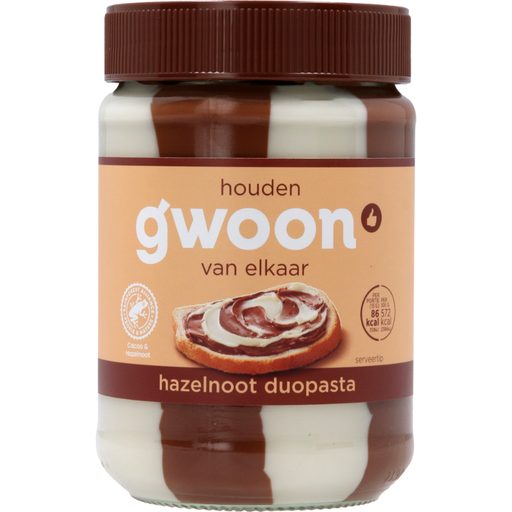
The ingredients list includes 7% hazelnuts, sugar and vegetable oils. If lower fat is your selection criterion, check the fat per 100 g.
Pack size: 400 g.
 No image available
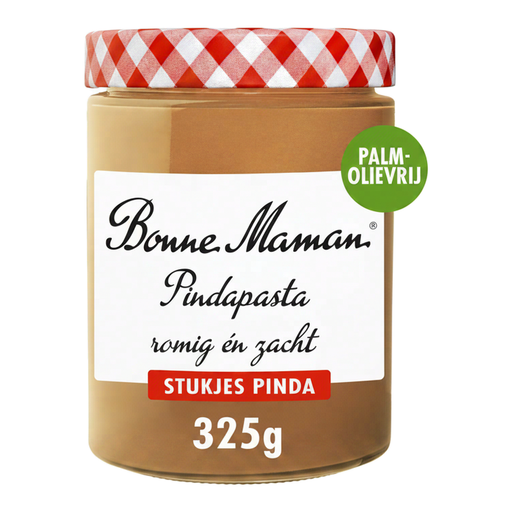
This peanut butter contains pieces of peanut, so it isn’t a completely smooth paste. Bear this in mind when choosing a product form for a toddler.
The product information lists 18 g of sugars and 0.66 g of salt per 100 g. Pack size: 325 g.
 No image available
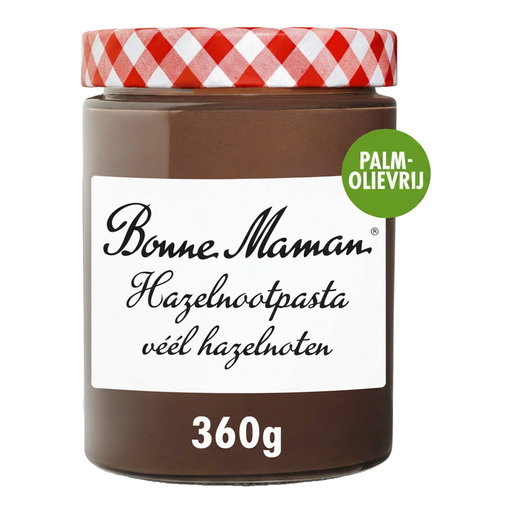
According to the product information, the spread contains 20% hazelnuts. Before considering it for a toddler, check the ingredients and allergen warnings on the packaging.
The nutrition information lists 51 g of sugars and 34 g of fat per 100 g. Pack size: 360 g.
You can’t tell just from the words on the packaging. For a relative claim, check which reference product is named and compare the fat per 100 g. A preparation claim such as ‘no added fat’ doesn’t tell you how much fat is in the finished product.
Don’t make reducing total fat your only selection criterion. Consider the ingredients and your child’s nutritional needs too; if your child has specific dietary needs, discuss them with a healthcare professional.
For children under 4, choose a suitable nut butter instead of whole nuts, as recommended by Voedingscentrum. Make sure your child is sitting calmly and stay with them; even with a suitable form, the risk of choking cannot be completely ruled out.
PLUS recommends stirring the peanut butter reviewed here before use. Also follow the storage instructions on the jar you’re using.
The NVWA says allergens must be clearly distinguishable from the other ingredients. Read any additional warnings on the specific pack too, as the other nuts that may be present vary from product to product.