What should you look for when choosing?
First check that the form and ingredients are suitable for the child and the childcare setting. Then compare nutritional values and instructions for use.
| What to consider |
What should you check? |
Who is this important for? |
| Texture |
Is the product whole, ground or spreadable, and is its form suitable for the child’s age and eating ability? |
If I’m preparing lunch for a child under 4, I want to choose a suitable form first. Around 36% of consumers facing this choice prioritise texture. |
| Allergens and childcare setting |
Read the ingredients and relevant warnings, and check the arrangements for the child and their childcare setting. |
If the child has a known allergy or the childcare setting has a nut policy, I want to know whether this particular product is allowed. Around 29% of consumers prioritise allergens and childcare arrangements. |
| Energy and portion |
Compare the same type of product per 100 g or for the same amount; don’t treat a label portion as advice for children. |
If I want to compare energy without assuming a standard diet for a child, I look at equal amounts. Around 21% of consumers prioritise energy and portion size. |
| Use and storage |
Check whether the spread needs stirring and read the storage and use instructions on the exact packaging. |
For preparing lunch regularly, I want clear instructions that I can follow and share with the childcare setting. Around 14% of consumers prioritise everyday convenience. |
Peanut butter and nut spreads at Joybuy
These products are peanut butters and peanut spreads for sandwiches. Compare the stated energy content per 100 g and check the ingredients, allergens and childcare arrangements before use.
 No image available
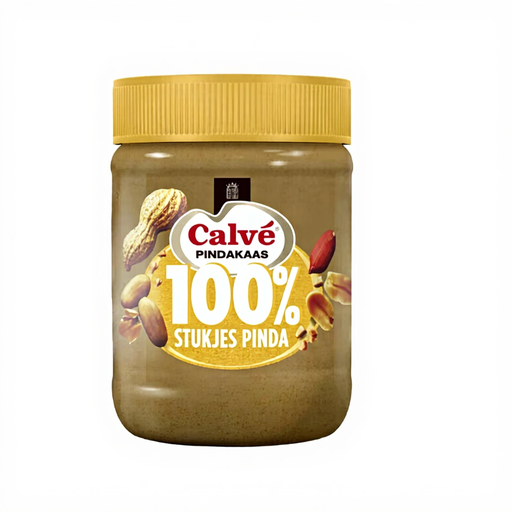
Calve 100% peanut butter – 350 g
A spreadable peanut option to compare if peanut spreads are allowed under the arrangements for the child and their childcare setting.
The product information lists 100% peanuts and an energy content of 576 kcal per 100 g. Traces of other nuts may be present.
View at Joybuy
 No image available
PCD Peanut Butter – 350 g
This type of peanut butter could be considered for sandwiches if peanuts are allowed and the variety is suitable for the child.
The product information lists 100% peanuts, with no added sugar or salt, and an energy content of 598 kcal per 100 g. It does not specify suitability for any particular allergy arrangement.
View at Joybuy
 No image available
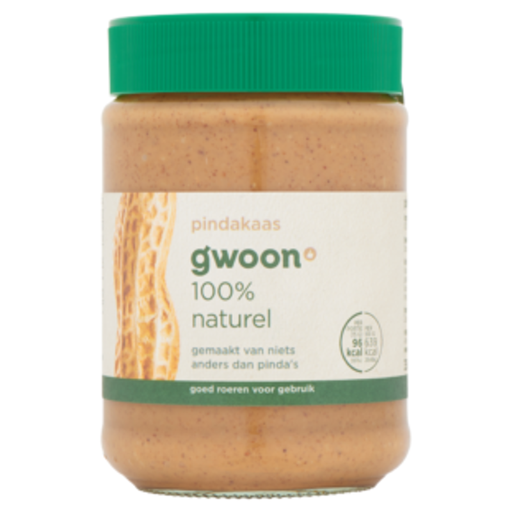
g’woon 100% natural peanut butter – 350 g
A peanut butter for sandwiches; check the exact packaging and allergens before choosing it for a childcare setting.
The product information lists an energy content of 639 kcal per 100 g.
View at Joybuy
 No image available
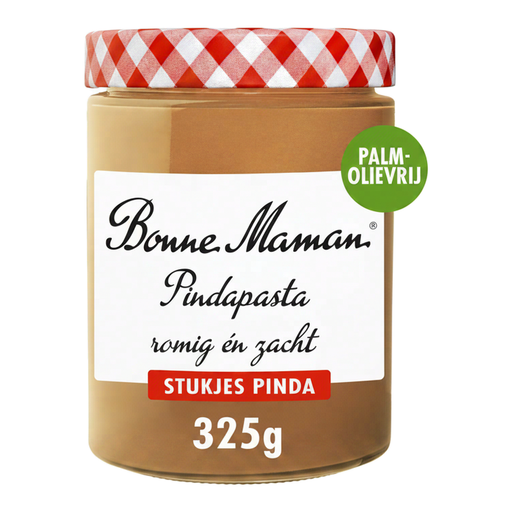
Bonne Maman Peanut Butter with Peanut Pieces – 325 g
This variety with peanut pieces is only an option if the texture is suitable for the child and peanuts are allowed.
The product information lists 79% peanuts and an energy content of 608 kcal per 100 g. The product contains peanuts and may contain nuts.
View at Joybuy
 No image available
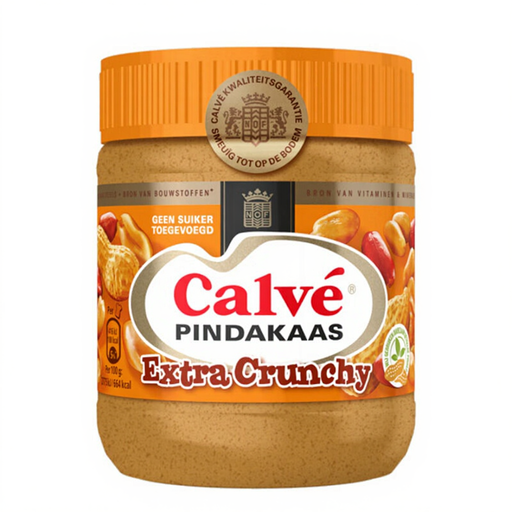
Calve Extra Crunchy peanut butter – 350 g
The extra-crunchy texture makes this variety suitable only if pieces are appropriate for the child and allowed under the childcare arrangements.
The product information lists 85% peanuts and an energy content of 664 kcal per 100 g. The product contains peanuts and may contain traces of nuts, milk, cereals containing gluten and soya.
View at Joybuy
Frequently asked questions
Is 15 g on a jar the recommended amount for every child?
No. The 15 g shown on the product pages checked is a labelled portion, not universal advice for children. A suitable amount depends on the child’s overall diet and individual needs; the adult reference intake on Jumbo’s page is not a guideline for children.
Can I simply describe peanut butter or nut spread as low in calories?
No, don’t assume that from terms such as ‘100%’ or ‘natural’ alone. The spreads checked list varying amounts of energy per 100 g; the NVWA notes that nutrition claims must comply with European rules.
How should I store and use nut spread?
Follow the instructions on the exact packaging. According to Albert Heijn, AH Terra almond spread should be stirred and stored in a cool, dark, dry place; PLUS advises stirring and storing in a cool, dry place. Don’t infer a general use-by period after opening from this.
Must allergen information be available for food served professionally?
Yes. According to the Netherlands Food and Consumer Product Safety Authority, businesses that offer food to consumers must provide information about the allergens it contains. For lunches served professionally, keep information about the products and recipes used readily available.
Are whole nuts suitable for children under 4?
The Dutch Nutrition Centre advises against whole nuts and peanuts for children under 4. So, when choosing sandwich spreads, consider the form first, while also taking the child’s individual eating ability, allergy arrangements and childcare setting policy into account.


