
Vandaag of morgen in huis

Kwaliteit gegarandeerd

Welkomstaanbiedingen ontgrendelen: GRATIS bezorging | Tot 80% korting | Gratis 30 dagen JoyPlus-proefperiode
Download de app
A nut bar might seem like a simple purchase: you pick a flavour, check the packaging and drop it into your basket. Yet nut bars, protein bars and chocolate bars with nuts vary widely in their ingredients, portion size and intended use. A bar that works well after a workout isn’t necessarily the same choice as a snack for the road or to enjoy with your coffee.
Pay particular attention to three common pitfalls:
Read the ingredients list rather than just the front of the packet. Are peanuts, almonds, hazelnuts or other nuts listed near the top? If so, they’re usually a key part of the recipe. Also look out for additions such as glucose or invert syrup, chocolate, honey, palm fat and sweeteners.
For anyone with a food allergy, the allergen information is crucial. Many bars contain or may contain traces of milk, soya, peanuts, almonds, hazelnuts, sesame or gluten-containing cereals. Always check the current label with every purchase. Recipes can change.
A gluten-free nut bar is only a suitable choice if this is clearly stated on the packaging or product information. The presence of oats, biscuit, rice crisps or cereals doesn’t automatically make a product gluten-free.
Nutritional values per 100g are useful for comparing products with one another, but for everyday use, the value per portion is more practical. A small bar of 25g and a large protein bar of 74g can differ significantly in calories, protein and sugar per bar.
Look out for:
A product labelled “no added sugar” can still contain naturally occurring sugars. With polyols such as maltitol or sorbitol, a high intake can also have a laxative effect. So always check the full nutritional information table.
An individually wrapped bar is handy for a bag, desk drawer or gym kit. However, check whether the bar softens, melts or crumbles in warm conditions. A portion of 23 to 30g is better suited to a small snack; bars of 55 to 74g are larger and usually provide more energy and protein.
For a snack on the go, sturdy packaging, a clear best-before date and easy storage are important. Store nut bars according to the label in a cool, dry place, away from direct sunlight and heat.
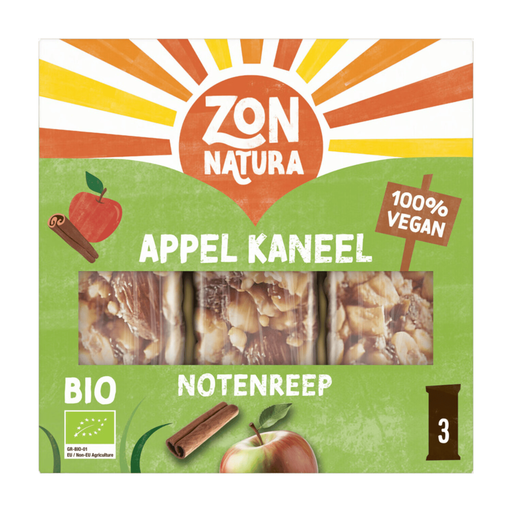
Why this fits the profile: The pack contains three small bars of 25g each. This makes portioning easy for work, school or a short journey.
The product information clearly lists the ingredients: including 45% peanuts, 16% almonds and 6% apple. Do check the stated allergens before purchase.
Organic product according to the description; 7.1g fibre and 19g protein per 100g.
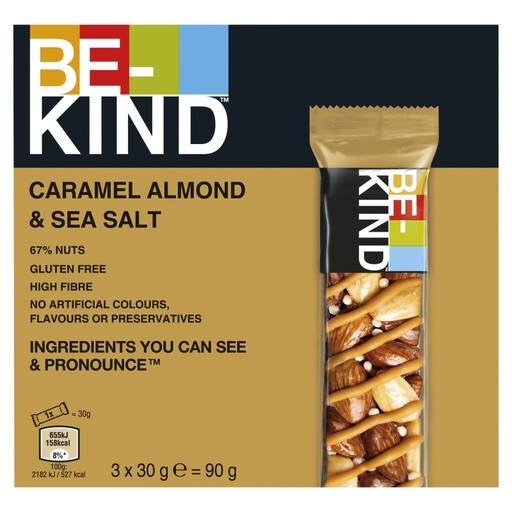
Why this fits the profile: The combination of almonds, caramel and sea salt is designed for anyone seeking a crunchy nut bar with a chocolatey flavour.
The product information lists the portion details and allergens. Check the current packaging, especially if you have a nut or soya allergy.
Gluten-free according to the product information; the stated nutritional values include 16g protein per 100g.
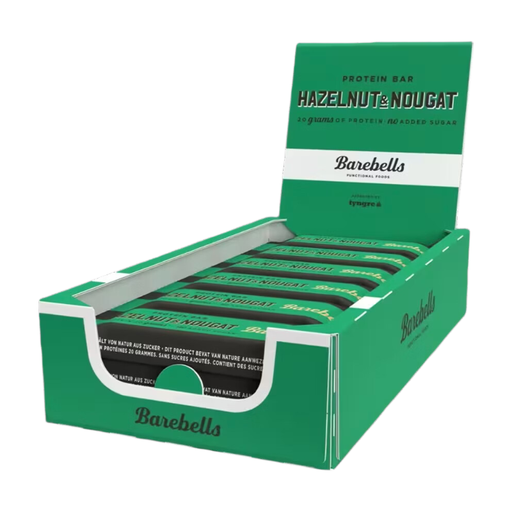
Why this fits the profile: With twelve 55g bars, this multipack is practical for regular users, for example at the office or around exercise sessions.
The nutritional information is given both per 100g and per bar. This makes it clear that one bar contains 20g protein, 1.4g sugar and 206 kcal.
20g protein and 2.9g fibre per bar. Contains milk and hazelnuts; polyols may have a laxative effect if consumed in large amounts.
We’ve put together a full, up-to-date list of products that fully meet these strict selection criteria and comply with current European safety regulations.
That depends on the portion size, packaging and ingredients. Individually wrapped bars are practical for a bag. In warm weather, check whether the product needs to be kept cool. A small nut bar is suitable for a light snack; a larger protein bar often contains more calories and protein.
“Healthy nut bar” isn’t a fixed legal product category. So the term alone doesn’t tell you much. A protein bar is mainly recognisable by its higher protein content, often derived from milk, whey, soya or other protein sources. Always compare the ingredients, sugar, fibre, fats and allergens rather than just the product name.
Check the date on the packaging and follow the storage instructions. Unopened bars should usually be stored in a cool, dry place away from direct sunlight. Once opened, the texture can deteriorate more quickly. Don’t use a product if the packaging is damaged, and when in doubt, always check the label.
