
Vandaag of morgen in huis

Kwaliteit gegarandeerd

Welkomstaanbiedingen ontgrendelen: GRATIS bezorging | Tot 80% korting | Gratis 30 dagen JoyPlus-proefperiode
Download de app
A nut bar might seem like a simple purchase, but the differences between snack bars are huge. One bar is packed with nuts and seeds, while another is more like chocolate or a sweet treat. Terms such as “protein”, “organic” and “no added sugar” also don’t tell the whole story.
If you’re looking for a nut bar to take on the go, to work or after exercise, it’s worth avoiding three common pitfalls.
A picture of almonds or chocolate tells you very little about the ratio of ingredients. Always check the ingredients list. Ingredients are listed in descending order: what’s at the front is usually what’s in the largest amount.
A bar with plenty of nuts might also contain glucose or agave syrup. That doesn’t automatically make it unsuitable, but it is relevant if you’re keeping an eye on sugar or energy intake.
A nut bar can contain protein without being specifically formulated for an active lifestyle. So look at the nutritional values per bar, not just the words on the packet.
A protein bar with nuts sometimes contains 15 to 20 grams of protein per serving, but it can also be relatively high in fat, carbohydrates or sweeteners. What’s more, some ingredients, such as fibre-rich syrups, can have a laxative effect if consumed in excess. Always follow the instructions on the label.
Nut bars often contain peanuts, almonds, hazelnuts, cashews or sesame. So always check the allergen declaration, even if you’ve bought the product before. “May contain traces of” means that cross-contamination during production is possible.
For a gluten-free nut bar, you need to check the current packaging and allergen information. A product containing oats, wheat or gluten-containing grains is not suitable for anyone who needs to avoid gluten. Recipes and labels can change.
Compare the first five ingredients. A bar with, for example, 50% or more peanuts, almonds or other nuts has a different composition to a snack bar where sugar, chocolate or syrup comes first.
Also pay attention to the sweetener used:
So look at the full nutritional profile rather than a single marketing term.
Nutritional values per 100g make it easy to compare products. For eating on the go, the value per individual bar is more practical. Look out for:
A healthy nut bar isn’t a defined product category. So judge the ingredients, portion size and nutritional value for yourself.
For a bag or desk drawer, individually wrapped bars are handy. A nut bar for on the go also shouldn’t crumble or melt easily. Chocolate can soften in warm weather; store such products in a cool, dry place away from direct sunlight.
A multipack of nut bars is practical if you want to take several portions with you or keep a stock at home. Do check the total quantity and the best-before date. A large pack isn’t automatically better value if you don’t use the bars very often.
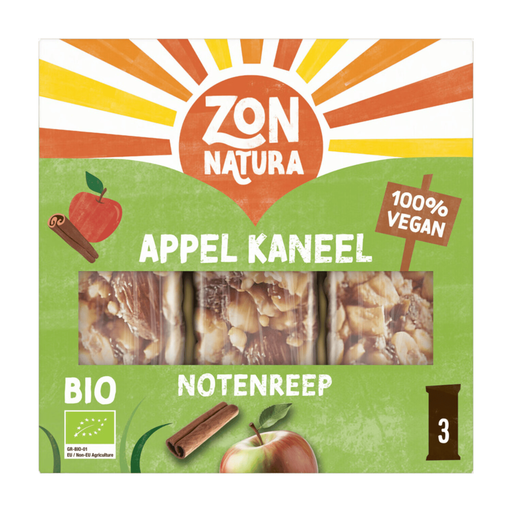
Why this fits the profile: The pack contains three 25g portions, so you can easily take one small bar with you to the office or on the go.
The product information lists peanuts as the main ingredient and agave syrup as the sweetener. The portion size is clearly stated per bar.
Organic ingredients according to the product description, with apple and cinnamon. Per 100g, the label states 7.1g of fibre and 19g of protein.
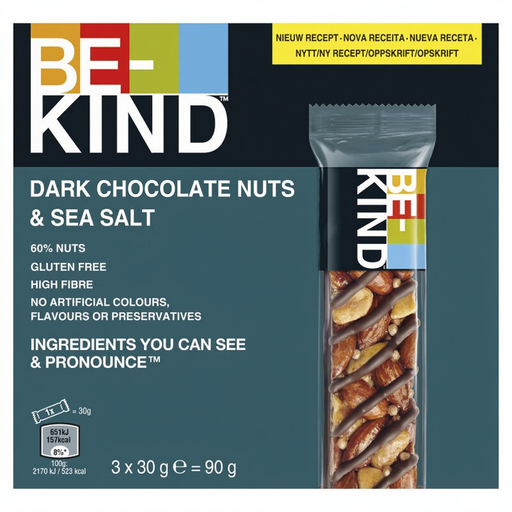
Why this fits the profile: According to the product information, this chocolate nut bar combines 60% mixed nuts with 16% dark chocolate and sea salt.
The nut ratio is clearly stated, so you don’t have to rely solely on the picture of chocolate. The product does contain honey, glucose and sugar in the chocolate.
According to the label, almonds make up 31% of the bar. The pack contains three bars; allergens are almonds and peanuts.
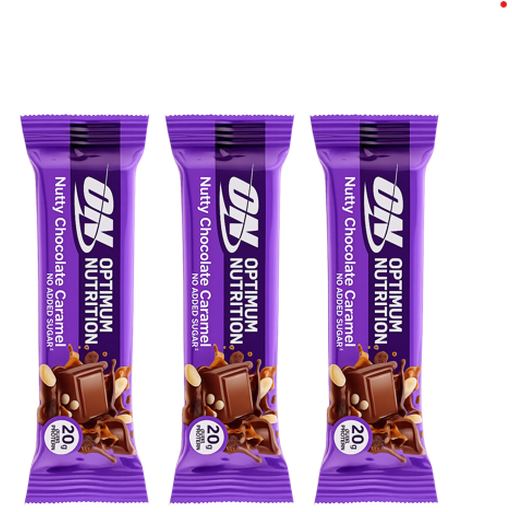
Why this fits the profile: The product information states 20g of protein per 70g bar. This makes it a good match for shoppers planning their snack around sport or an active day.
The protein content per individual bar is clearly stated. Do check the allergens: the product contains milk, soya and peanuts, and may contain gluten, eggs and other nuts.
Three individually wrapped bars, with roasted peanuts, raisins and a chocolate-caramel flavour according to the product description.
We’ve put together a full, up-to-date list of products that fully meet these strict selection criteria and comply with current European safety regulations.
Choose an individually wrapped bar that doesn’t break or melt easily. Also check the portion size, best-before date and allergens. A multipack can be handy for keeping a stock in your bag or at work, but store chocolate varieties in a cool, dry place.
No. The organic certification tells you about the origin of the ingredients, not automatically about the sugar, fat or calorie content. So compare the ingredients list and nutritional values too. An organic nut bar can still contain agave syrup, dried fruit or a relatively high amount of energy.
Look mainly at the amount of protein per bar and the total portion size. A protein bar with nuts can be practical when you want to consciously add extra protein to your snack. At the same time, check the sugar content, fibre and allergens. Use product claims as a starting point, but base your choice on the information on the current label.
