
Vandaag of morgen in huis

Kwaliteit gegarandeerd

Welkomstaanbiedingen ontgrendelen: GRATIS bezorging | Tot 80% korting | Gratis 30 dagen JoyPlus-proefperiode
Download de app
A nut bar might seem like a simple purchase, but the differences between products are significant. One bar is made mostly of nuts and seeds, while another is more like chocolate, sweets or a protein product. Terms such as “no added sugar”, “organic” and “high in protein” also don’t tell the whole story.
As Joybuy Product Recommendation Officer, I filter the most important product information on practical points. This way, you can compare nut bars on ingredients, nutritional value, allergens and packaging, without relying solely on marketing claims.
A healthy nut bar is not an official product category. Nuts typically provide fats and protein, but syrups, chocolate, dried fruit and sweeteners can increase the sugar content. Always check the nutritional information table and compare products per 100 grams.
For example, an organic nut bar may be sweetened with agave syrup. That makes the product organic, but it doesn’t automatically mean it’s low in sugar. The Zonnatura bars in this selection list 24 grams of sugar per 100 grams.
A protein bar with nuts can be handy after exercise or as a snack at work. However, do check how much protein is actually in each bar. A value per 100 grams can appear higher than the amount you actually get per serving.
The Optimum Nutrition Nutty Chocolate Caramel Bar lists 20 grams of protein per 70-gram bar, while the Hero bar lists 17 grams of protein per 100 grams. These are not directly comparable figures without taking the serving size into account.
Nut bars often contain multiple allergens: peanuts, almonds, hazelnuts, milk, soya, sesame or gluten-containing cereals. Read the allergen declaration on the packaging, especially for a gluten-free nut bar. “May contain traces of” is relevant for people with an allergy.
Also check the packaging with every purchase. Product compositions can change, and the information on the label is what counts.
Look at the order of the ingredients. It starts with the ingredient present in the largest quantity. A bar with almonds or peanuts at the top of the list has a different composition to a chocolate bar where sugar is the first ingredient.
Pay particular attention to:
A nut bar with no added sugar can still contain naturally occurring sugars. With the Optimum Nutrition bar, the product information states “no added sugars”, while the product does contain raisins and other ingredients with naturally occurring sugars.
Use the table per 100 grams to compare varieties fairly. Then look at the actual serving size. A 25-gram bar is not the same as a 70-gram bar.
Check in particular:
The TastyBasics Choco & Nut Bars list 18 grams of fibre and 6.7 grams of sugar per 100 grams. The Bars Nuts and Seeds contain 17 grams of fibre and 6.8 grams of sugar per 100 grams according to the product information. Such differences are verifiable and say more than general terms on the packaging.
For commuting or a walk, individually wrapped bars are practical. A multipack can lower the price per serving, but first check that you actually like the flavour. A nut bar multipack is especially handy when you regularly take the same variety with you.
Store most bars in a cool, dry place, out of direct sunlight and away from heat and moisture. Chocolate can melt and bars with syrup can become softer. Always check the packaging for the best-before date.
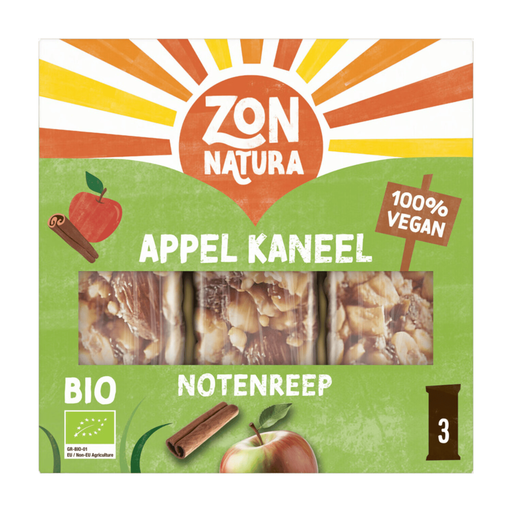
Why this fits the profile: The pack contains three small 25-gram bars. That makes portions easy to manage for work, school or a short trip.
The ingredients list includes 45% peanuts, 16% almonds and 6% apple. The serving size is clearly stated.
Organic according to the product description, with apple and cinnamon. Per 100 grams, the product lists 7.1 grams of fibre and 19 grams of protein.
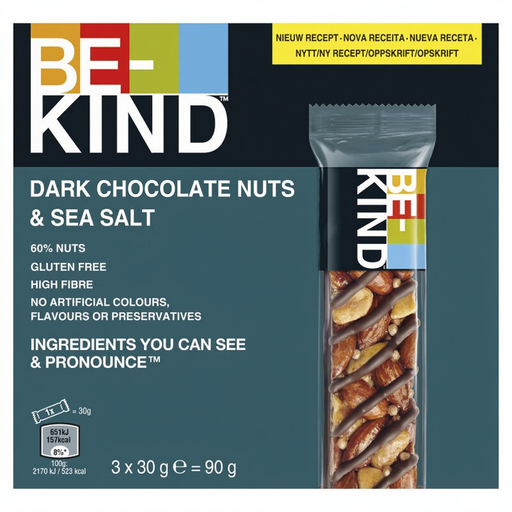
Why this fits the profile: This multipack contains three bars with whole nuts and dark chocolate, suitable for those who value texture and a pronounced chocolate flavour.
The proportion of mixed nuts is stated as 60%, with 31% almonds and 16% dark chocolate. This shows you what the bar is based on.
The product information lists 17 grams of protein per 100 grams. Contains almonds and peanuts; milk and other nuts may be present as traces.
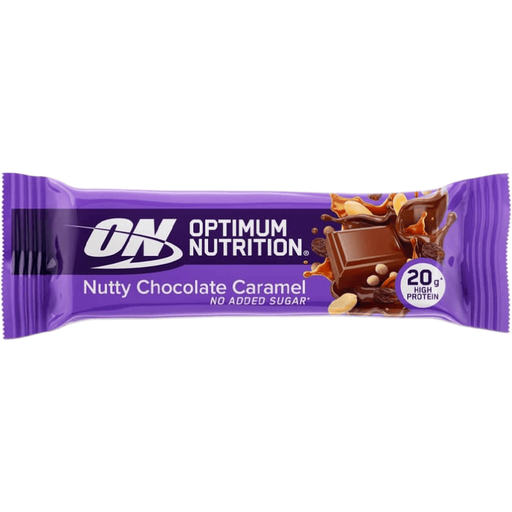
Why this fits the profile: The bar is designed as a practical protein snack for adults with an active lifestyle and contains 20 grams of protein per bar according to the product information.
The protein amount is listed per individual bar. The allergen information mentions milk, soya and peanuts; gluten, eggs and other nuts may be present.
70 grams per bar, with peanuts, raisins and a chocolate-caramel flavour. According to the product information, no added sugars; the product does contain naturally occurring sugars.
We’ve put together a full, up-to-date list of products that fully meet these strict selection criteria and comply with current European safety regulations.
That depends on the serving size, ingredients and personal preferences. Individually wrapped bars of 23 to 70 grams are practical for a bag or desk drawer. In warm weather, watch out for chocolate and store the bar according to the advice on the packaging.
The shelf life varies per product and packaging. The exact date is on the label. Generally, store nut bars in a cool, dry place, out of direct sunlight and away from heat and moisture. Do not use damaged packaging.
Not every nut bar is gluten-free. Some products contain oats or other gluten-containing cereals, while other varieties are offered as gluten-free. Always check the current ingredients list and allergen declaration on the packaging. For anyone with an allergy, only the label on the specific product is definitive.
