What should you look for when buying?
When choosing bread toppings for young children, a suitable form matters more than a fat claim. For children under 4, the Netherlands Nutrition Centre recommends nut butter with no added sugar or salt, and advises against whole nuts or peanuts.
| What to consider |
What should you look for? |
Who is this most relevant to? |
| Product form |
Check the age group and don’t choose whole nuts or peanuts for children under 4. |
When I’m buying bread toppings for children under 4, the product form comes first; around 31% of consumers share this priority. |
| Allergens and nursery arrangements |
Read the ingredients and warnings on the current packaging and check them against the nursery’s arrangements. |
When I’m shopping for a nursery, I want to check allergen information against the arrangements in place; around 25% of consumers make this a priority. |
| Fat claim |
Compare nutritional values per 100 g and, if a ‘less fat’ claim is made, check which product is being used for comparison. |
When I’m looking for less fat, I want a comparison I can verify rather than just a suggestive product name; around 25% of consumers make this a priority. |
| Ingredients and use |
Check for added sugar or salt, any instructions for use and the storage information on the specific packaging. |
For everyday bread toppings, I look for clear ingredient information and practical instructions for use; around 19% of consumers prioritise ingredients and ease of use. |
Peanut butter for nursery lunches
This Joybuy product selection features peanut butter for use as a bread topping. The variants shown are not low-fat products; check the ingredients, allergens and nutritional values on the specific packaging.
 No image available
PCD Peanut Butter 350 g
This peanut butter is intended as a bread topping; check that it fits the nursery’s arrangements.
The product description states that it’s made with 100% peanuts, with no added sugar or salt, and contains 50,0 g of fat per 100 g. It contains peanuts and does not meet the European Commission’s threshold for a low-fat claim on solid foods.
View at Joybuy
 No image available
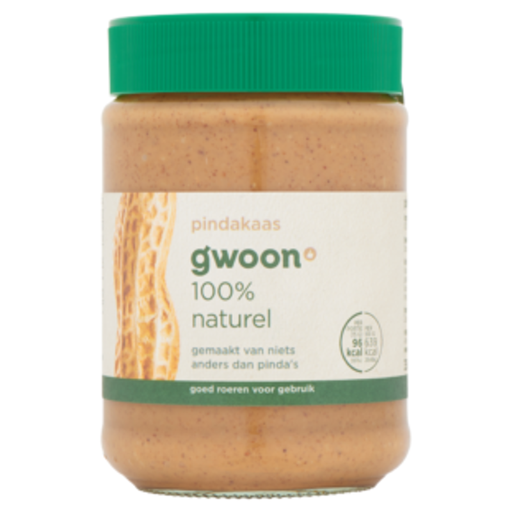
g'woon 100% Natural Peanut Butter 350 g
This peanut butter is an option for a bread topping; check that its use fits the nursery’s allergy arrangements.
The product description states that it’s made with 100% peanuts, with no added sugar or salt, and contains 53 g of fat per 100 g. It contains peanuts and may contain traces of other nuts; it does not meet the European Commission’s threshold for a low-fat claim on solid foods.
View at Joybuy
 No image available
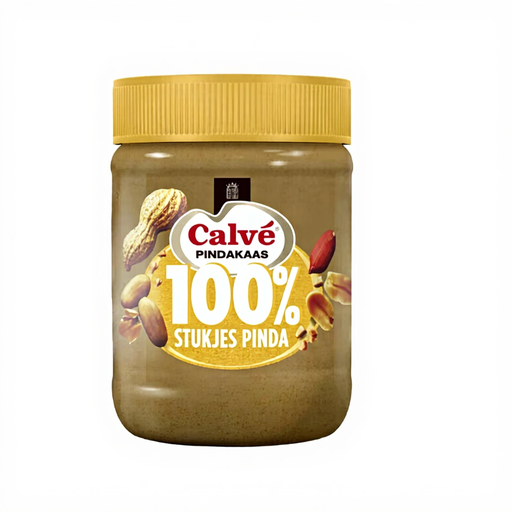
Calve Peanut Butter 100% 350 g
This peanut butter is intended as a bread topping; check the ingredients and warnings for the children you’re serving lunch to.
The product description states that it’s made with 100% peanuts and contains 44 g of fat and 0 g of salt per 100 g. Peanuts are an ingredient; the description also says it’s made in a facility that processes other nuts. This product does not meet the European Commission’s threshold for a low-fat claim on solid foods.
View at Joybuy
 No image available
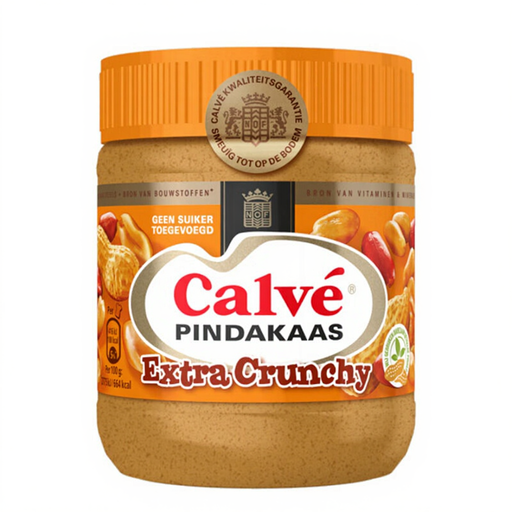
Calve Extra Crunchy Peanut Butter 350 g
This crunchy peanut butter is an option for a bread topping, but its ingredients and allergen information must fit the nursery’s arrangements.
The product description states that it contains 85% peanuts, vegetable oil, salt and 58 g of fat per 100 g. It also warns that it may contain traces of milk, cereals containing gluten and soya. This product does not meet the European Commission’s threshold for a low-fat claim on solid foods.
View at Joybuy
Frequently asked questions
Can you give whole nuts to children under 4?
The Netherlands Nutrition Centre advises against giving whole nuts or peanuts to children under 4 because of the risk of choking. For bread toppings, it recommends nut butter with no added sugar or salt; also check that its use fits the nursery’s arrangements.
Is 100% peanut butter the same as low fat?
No. ‘100%’ describes the ingredients, not the fat content. According to the European Commission, solid foods can contain a maximum of 3 g of fat per 100 g to carry a ‘low fat’ claim; the Jumbo and PLUS variants reviewed state that they contain 48,0 g and 53 g per 100 g respectively.
Does roasting without oil prove that nuts contain less fat?
No, this describes how the product is prepared, not a comparison of its fat content. Duyvis uses this description for Oven Baked Peanuts Original; compare the nutritional values per 100 g and check the basis of comparison for any claim about fat content.
How can you check whether peanut butter fits the allergy arrangements?
Read both the ingredients and warnings on the current packaging, then compare them with the arrangements for the children and the nursery. For example, PLUS states that the variant reviewed may contain cashew nuts; the NVWA says organisations must provide allergen information for non-prepacked foods.
How should you use and store pure peanut butter?
Follow the instructions on the packaging of the specific variant. PLUS recommends stirring the peanut butter before use because a layer of oil may form naturally, and storing it in a cool, dry place; Jumbo recommends storing it somewhere cool, dry and dark.


