
Same-day & Next-day Delivery

Quality Guaranteed

Unlock Your Welcome Offers: FREE Delivery | Up to 80% OFF | Free 30-day JoyPlus trial
Download the APP
A good nourishing oil can make a world of difference for your skin and hair. But the shelves are packed with bottles, all promising radiant skin and shiny hair. How do you know which oil truly works for you and which is just marketing hype? Many people fall into the same traps: buying an oil that's too greasy, clogs pores, or simply doesn't deliver on its promises.
As a Joybuy Product Recommendation Officer, I'm here to help you see through the hype. We'll discuss the most common pitfalls and provide you with practical tools to make the right choice.
Before you make a purchase, it's wise to be aware of a few common misconceptions.
natural skincare sounds appealing, but not every natural oil is suitable for every skin type. Some pure oils, like coconut oil, can be comedogenic, meaning they can clog pores and cause breakouts, especially for oily or acne-prone skin.dry oil isn't a specific type of oil but a term for a formula that absorbs quickly without leaving a greasy film. This depends on the oil's molecular structure and the other ingredients. A product labelled as a dry oil can still feel greasy if the formula isn't well-suited to your skin.hair oil often contains ingredients for heat protection and shine that you might not want on your face, while a rich oil for dry skin can be too heavy for your hair.To avoid a bad buy, focus on a few objective specifications. This will help you find a product that matches your needs.
The most important factor for a pleasant user experience is how the oil feels and absorbs.
dry skin or as an intensive overnight treatment.Nuxe oil are popular because they combine various oils into a lightweight spray that absorbs quickly, making them practical for daily use on the body and hair.Look beyond the marketing and check the ingredient list to see if the oil is suitable for your purpose.
face oil. Argan oil and squalane oil are popular choices because they generally don't clog pores and nourish the skin.hair oil often contains ingredients that smooth the hair, protect it from heat, and reduce frizz. Argan oil is also a commonly used ingredient here.body oil can be richer. It's an effective way to hydrate and keep the skin supple after showering.Below are some products that align well with different needs, based on their specifications and composition.
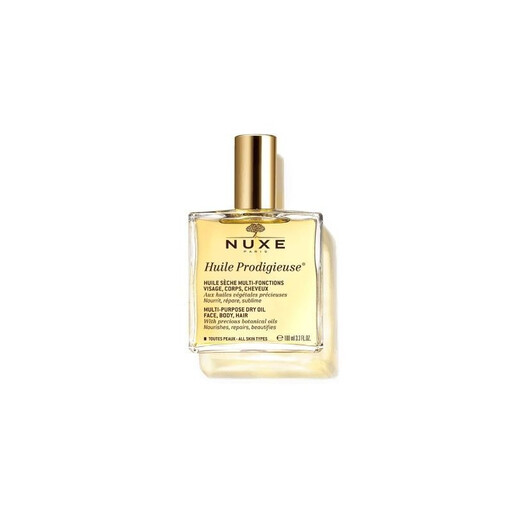
Why This Fits Their Persona: Ideal for those who want a single product for face, body, and hair. This classic multi-purpose oil is a practical all-in-one solution for daily hydration and shine.
The formula is specifically developed as a 'dry oil,' avoiding the 'greasy film' problem common with many oils. It absorbs quickly and feels comfortable on the skin.
Proven multi-purpose formula with 7 botanical oils. The convenient spray bottle makes application on the body and hair effortless.
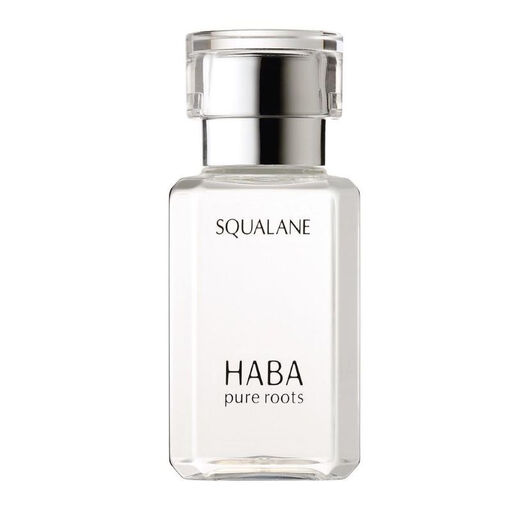
Why This Fits Their Persona: Perfect for those seeking a minimalist, high-purity face oil. This oil contains only squalane, a stable and skin-identical ingredient, suitable even for sensitive skin.
This product bypasses the 'natural isn't always better' trap by using a highly purified, non-comedogenic, and non-irritating ingredient. It is stable and won't cause impurities.
Extremely high purity (99.9% according to the manufacturer). Its lightweight texture absorbs instantly and can even replace a moisturiser. Suitable for all skin types, including baby skin.
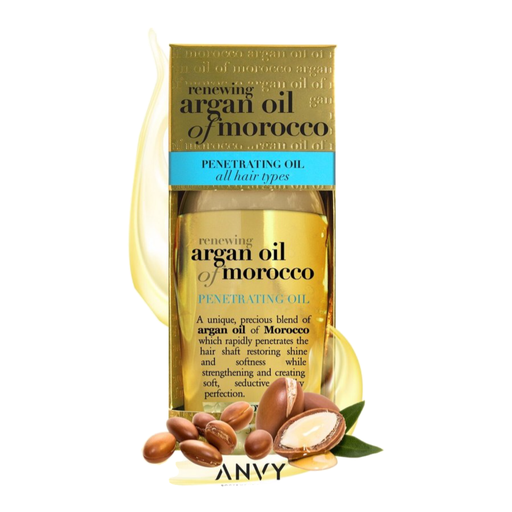
Why This Fits Their Persona: Specifically designed for hair. This oil focuses on strengthening, hydrating, and protecting hair from heat and UV damage, which is essential for those who regularly use styling tools.
This product avoids the 'one oil for everything' trap by offering a specialised formula for hair. The composition is optimised for hair concerns like frizz and dryness.
Contains Moroccan argan oil and provides protection against heat from styling tools and UV damage. It is a targeted solution for dry and frizzy hair.
Yes, you certainly can. Using the right oil can even help balance sebum production. Opt for a lightweight, non-comedogenic face oil like squalane oil, jojoba oil, or grapeseed oil. These oils hydrate without clogging pores. Apply just a few drops to clean, damp skin.
The difference isn't in the oil itself, but in its texture and absorption speed. A dry oil is a lightweight formula that is quickly absorbed by the skin or hair without leaving a greasy or sticky residue. This makes it a popular choice for daily use. A 'regular' or 'wet' oil is often richer, absorbs more slowly, and is better suited for an intensive treatment of very dry skin.
The key is the amount and placement. Start with a very small amount, such as one or two drops. Warm the oil between your palms and then distribute the product only through the lengths and ends of your hair. Avoid the scalp and roots, as this is where hair naturally becomes oily. You can apply the hair oil to towel-dried hair before styling or to dry hair to reduce frizz and add shine.
