
Vandaag of morgen in huis

Kwaliteit gegarandeerd

Welkomstaanbiedingen ontgrendelen: GRATIS bezorging | Tot 80% korting | Gratis 30 dagen JoyPlus-proefperiode
Download de app
A nose hair trimmer may seem like a simple device, but the differences between models can be significant. Some devices are designed only for nose and ear hair, while others can also trim eyebrows, sideburns and beard contours. A low price also says little about ease of cleaning, battery life or suitability for use around sensitive areas.
If you focus only on terms such as “powerful motor” or “waterproof”, you could end up buying a device that proves awkward after a few months. Pay particular attention to the following pitfalls.
Water resistance is not a uniform feature. Always check the IP code rather than relying solely on the marketing copy.
A waterproof nose hair trimmer is particularly practical if the cutting head can be rinsed under the tap. Also check whether only the head is washable or the entire device.
A body groomer or beard trimmer may sometimes have a nose hair trimmer attachment, but that does not automatically mean the device will be comfortable to use in the nose or ear. For these areas, a rounded head, protective blade guard and slim design are important.
Would you also like to trim your eyebrows or sideburns? Check which attachments are included. An eyebrow trimmer needs a narrower head than a device designed for larger areas of the body. A sideburn trimmer or precision head is useful for creating neat contours.
A long runtime sounds appealing, but also consider:
A USB-C rechargeable trimmer is convenient if you already use a compatible cable and adapter. A model powered by a single AA battery may be more practical for occasional use or travel.
Choose a model with a rounded cutting head or protective blade construction. This helps limit direct contact with the skin, but careful use is still essential. Do not insert the trimmer deeply into the nose or ear canal, and do not apply excessive pressure.
Stainless steel blades are common and easy to keep clean. Also consider the shape: a rotary head is often designed to trim stray hairs around the nose and ears, while a vertical dual trimmer requires a different movement.
A device that is easy to clean after every use is better suited to daily use. Check the manual before submerging a head. Even with an IPX7 nose hair trimmer, the charging port must remain dry while charging.
A detachable head, cleaning brush and protective cap are useful extras. Allow a washed head to dry thoroughly before storing it.
A 3-in-1 trimmer for men may be suitable if you want one device for nose and ear hair, eyebrows and sideburns. However, more is not always more practical. Check whether the heads can be changed quickly and cleaned separately.
For beard contours or longer hairs, adjustable combs are more useful than a basic nose and ear hair trimmer. If you only need to trim nose and ear hair, a compact model may take up less space and get the job done more quickly.
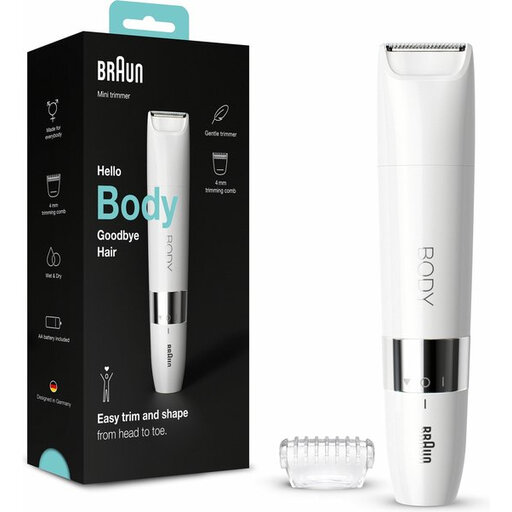
Why it suits this profile: This compact trimmer runs on a battery and, according to the product information, is suitable for wet and dry use. That makes it practical for occasional grooming and travel.
The product listing states an IP67 rating and mentions a cleaning brush and trimming comb. Before use, however, check the instructions for wet cleaning.
Compact size, suitable for wet and dry use according to the product information, with a battery and trimming comb included.
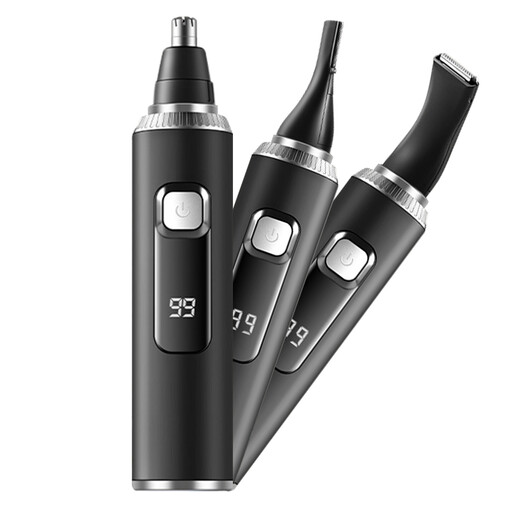
Why it suits this profile: The Sparoma TC-021 combines a nose and ear hair attachment with heads for eyebrows and sideburns. It is designed for users who want one cordless device for several small grooming tasks.
The product information states IPX7 and mentions a detachable cutting head, protective cap and USB-C cable. This makes its water resistance and maintenance requirements clearer than a standalone marketing claim.
8500 RPM motor according to the product listing, 600 mAh battery, up to 120 minutes of use and a digital battery display.
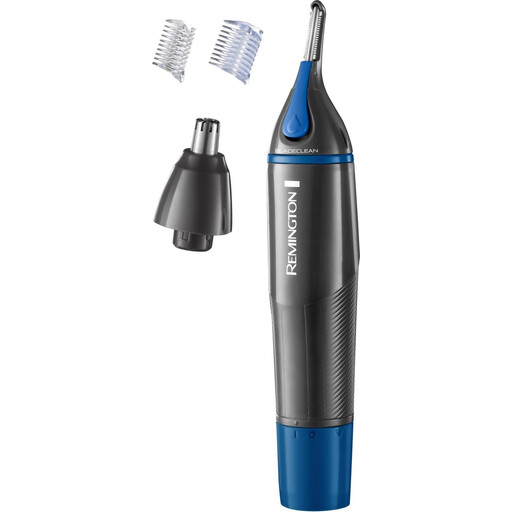
Why it suits this profile: This model focuses specifically on nose, ear and eyebrow hair. The combination of vertical trimmers, a rotary system and two combs suits users who want to groom with precision.
The product description mentions ComfortTip blades, a rinseable design and wet and dry use. The focus is therefore on small areas and easy cleaning, rather than a single universal body head.
Two vertical trimmers, rotary cutting head, two combs and one AA battery according to the product information.
We have put together a complete, up-to-date list of products that fully meet these strict selection criteria and the applicable European safety regulations.
Do not use a trimmer on damaged or irritated skin. Stop if you experience discomfort and check that the head or blade has no visible damage.
Ideally, clean the head after every use. With a rinseable model, you can do this under running water, provided the product instructions allow it. Remove loose hairs with the supplied brush and allow the head to dry completely.
Its lifespan depends on how frequently it is used, how it is cleaned and how much the blades wear. A model with a replaceable or detachable head may remain practical for longer. Store the device with its protective cap on and keep moisture away from the charging port.
That depends on how you use it. For regular use, a built-in rechargeable battery may be more cost-effective because you do not need to replace AA batteries. For occasional use or travel, a battery-powered model may be simpler. So do not compare just the purchase price; also consider charging time, battery life and maintenance.
