
Vandaag of morgen in huis

Kwaliteit gegarandeerd

Welkomstaanbiedingen ontgrendelen: GRATIS bezorging | Tot 80% korting | Gratis 30 dagen JoyPlus-proefperiode
Download de app
A quality outdoor jacket is an investment. Especially in a country with unpredictable weather, you need a jacket that keeps you dry and comfortable. However, the search for the right The North Face women's jacket is often more challenging than it seems. You're bombarded with marketing jargon, and not every jacket delivers on its promise. Avoid buyer's remorse by focusing on the details that truly matter.
Common mistakes include confusing 'water-repellent' with 'waterproof,' or buying a thick winter jacket that doesn't breathe during a strenuous hike. Another pitfall is a jacket that loses its functionality after just a few washes. Let's break down the key specifications so you can make an informed choice.
Before you choose a model, it's crucial to understand a few technical aspects. These determine whether a jacket is suitable for a walk in the hills or a bike ride through a downpour.
A common disappointment is a jacket marketed as 'waterproof' that leaks after ten minutes in a serious downpour. This often happens because there's a difference between a water-repellent coating and a truly waterproof membrane.
In addition to the membrane, look for fully sealed seams. Without this, water can still seep in through the stitching, rendering the waterproof fabric useless. A genuine waterproof women's jacket has both.
For a variable climate, a versatile layering system is often more practical than a single, thick, heavy The North Face women's winter coat. The concept is simple: combine layers to adapt to changing temperatures and exertion levels.
A good women's transitional jacket can often function as an outer layer in autumn and spring, and be combined with a warm fleece in the winter.
Below are some popular choices, matched to specific use cases.
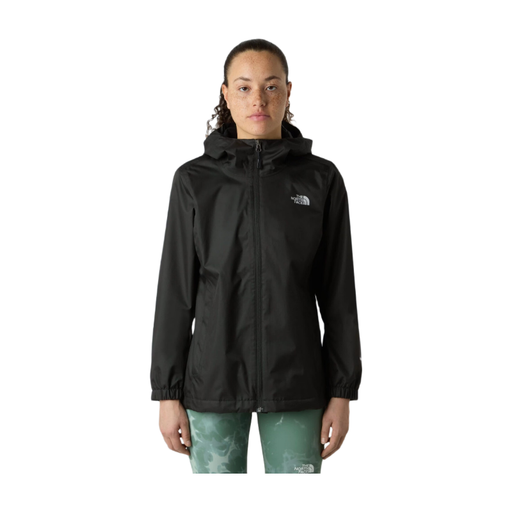
Why This Fits Their Persona: Ideal for those seeking a reliable all-rounder for hikes through forests and hills, regardless of the season. Functional and without unnecessary frills.
This jacket sidesteps the 'not truly waterproof' pitfall. According to the manufacturer, it features DryVent technology and fully sealed seams, designed to keep you dry in wet conditions.
A reliable shell that is breathable and lightweight. The mesh lining enhances comfort and breathability, preventing the jacket from feeling clammy.
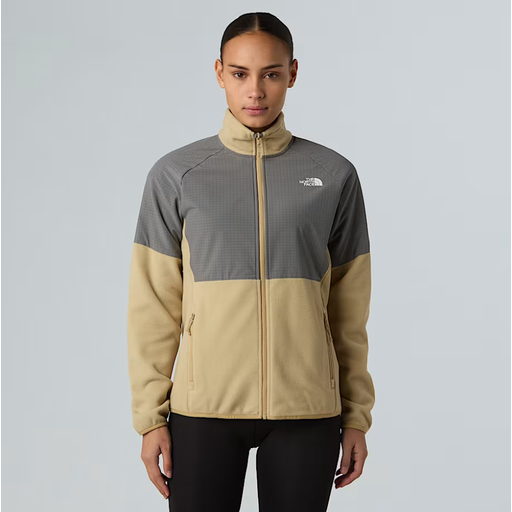
Why This Fits Their Persona: Perfect for those who value flexibility. Wear it on its own on a crisp autumn day or zip it into a shell jacket for extra warmth during a cold winter walk.
This fleece vest prevents the purchase of a bulky, non-breathable jacket. It provides insulation where needed without trapping you in. This keeps you comfortable, even when you pick up the pace.
Made from 100% polyester fleece for warmth without the extra weight. According to the product information, it is compatible with Triclimate jackets, making it a versatile mid-layer.
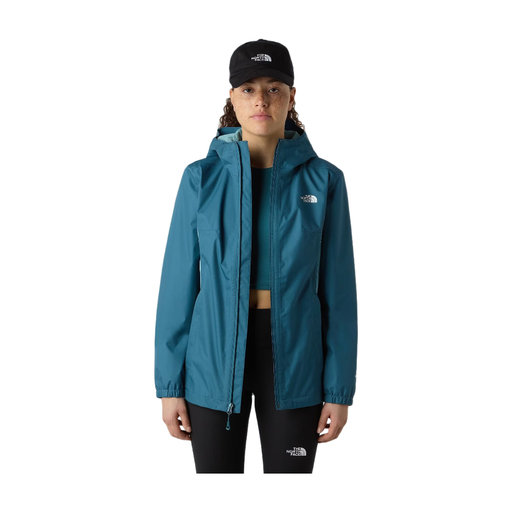
Why This Fits Their Persona: For those who are active in wet and windy conditions and need a jacket that offers protection and comfort during intense activities like hiking in hilly terrain.
This model tackles the problem of poor breathability. The DryVent technology is designed to be both waterproof and breathable, which is essential for preventing a clammy feeling.
Versatility is its strength. It's a technical shell that can be worn on its own but is also zip-in compatible with other The North Face jackets to create a complete system.
We have compiled a complete, up-to-date list of products that fully meet these selection criteria and current regulations.
Always check the care label inside the jacket. Generally, wash the jacket at a low temperature (30-40°C or 86-104°F) with a special detergent for technical apparel. Do not use fabric softener, as this can impair the membrane's breathability. To reactivate the water-repellent DWR layer, you can briefly tumble dry the jacket on a low setting after washing, if the care label permits.
That depends on the model and its intended use. A 3-in-1 (Triclimate) jacket with a removable fleece or an insulated down or synthetic jacket is a good option for a The North Face women's winter coat. A shell jacket, like the Quest, is not warm enough for winter on its own but can function perfectly as a winter jacket for active pursuits when combined with the right mid-layer (like a thick fleece vest).
A hardshell is fully waterproof and windproof, designed as a protective outer layer against harsh weather conditions. A softshell is more flexible, highly breathable, and water-repellent, but usually not fully waterproof. Softshells are ideal for dry, windy days or light activity where freedom of movement and breathability are more important than complete waterproofing.
