
Vandaag of morgen in huis

Kwaliteit gegarandeerd

Welkomstaanbiedingen ontgrendelen: GRATIS bezorging | Tot 80% korting | Gratis 30 dagen JoyPlus-proefperiode
Download de app
A The North Face women’s jacket could be a fleece mid-layer, an insulated jacket or a waterproof shell. These categories can look similar, but they’re designed for different conditions. If you focus only on the brand, colour or a promising-sounding marketing term, you could end up with a jacket that’s too warm for hiking, doesn’t protect you well enough from the rain or feels uncomfortable over a jumper.
So pay close attention to the construction, materials and how you plan to use the jacket. Below, you’ll find the key things to consider, along with a few product picks for different needs.
A fleece jacket is designed to keep you warm, not to keep out prolonged rain. 100% polyester fleece can be comfortable and warm, but it isn’t a waterproof outer layer on its own. In changeable British weather, you’ll often need a separate shell.
Brand and product labels don’t always tell the whole story. Check whether you’re looking at an insulated jacket, a women’s fleece jacket or a technical outer layer. A lightly insulated style can work well as a mid-layer, while a DryVent model is described as being designed for wet and windy conditions.
A regular fit can feel comfortable over a T-shirt, but become tight over a fleece or wool jumper. Measure your chest, waist, hips and arm length, then compare your measurements with the size guide. If you’ll be wearing the jacket for hiking, check the cuffs, hem and room around the shoulders too.
The right choice depends on the layer you need in your clothing system:
A The North Face women’s fleece isn’t automatically suitable as a standalone jacket in the rain. If you want a women’s hiking jacket for year-round use, combining a fleece with a shell may be more practical.
Look for a specific product feature, such as DryVent, and check exactly what the product description says. According to the product information for model NF0A8EGV, DryVent is described as a technology for waterproof, windproof and breathable construction. This is a product specification provided by the seller, not a guarantee that you’ll stay dry in every type of weather.
The finishing details matter too. An adjustable hood, elasticated cuffs and a snug hem help reduce the gaps where wind and moisture can get in. A water-repellent finish isn’t the same as a fully waterproof jacket.
As well as checking the measurements, look at:
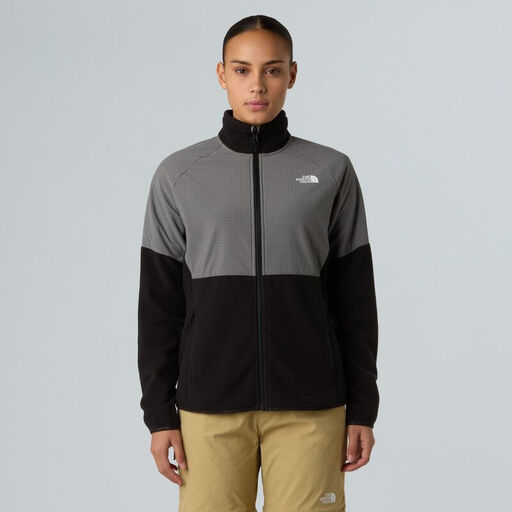
Why it suits this need: This fleece is a practical starting point if you’re looking for a warm mid-layer for walks, camping weekends and everyday wear. Its regular fit is designed to be worn over a base layer.
The product information clearly identifies fleece as the material and describes it as a mid-layer. That makes the distinction between this jacket and a waterproof outer layer clear.
100% polyester fleece, a full-length zip and zipped pockets. The product information says it’s compatible with Triclimate jackets.
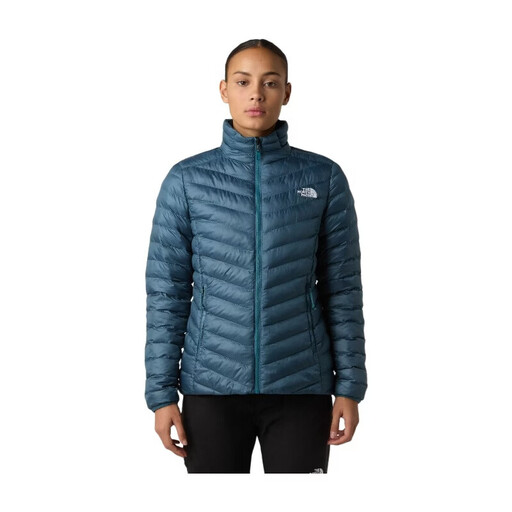
Why it suits this need: This style is a good match for active women looking for a lightweight insulated jacket for hiking and cold-weather walks, without having to carry a bulky coat.
The product description distinguishes the synthetic insulation from fleece and says the jacket can be packed into a pocket.
100% polyester outer material, zipped pockets and a design that, according to the product information, can be combined with other layers.
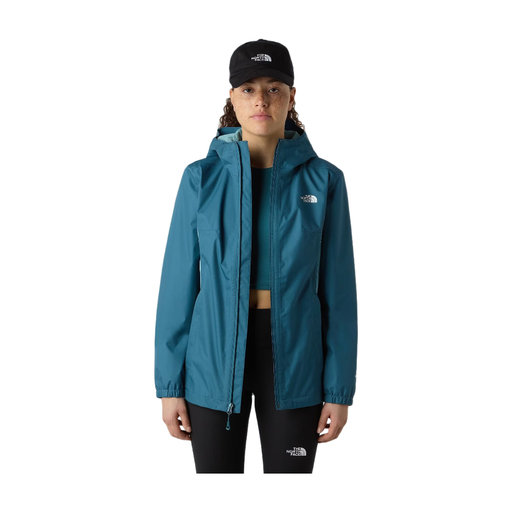
Why it suits this need: This technical shell is designed for walks and outdoor activities in wet and windy conditions. You can wear it as an outer layer or as part of a compatible system.
The product description specifically mentions DryVent, an adjustable hood, elasticated cuffs and a shell design. This makes its role as an outer layer clearer than that of a fleece.
100% polyester outer material, zipped pockets and a stated regular fit, available in sizes XXS to 3XL.
We’ve put together a complete, up-to-date list of products that meet these strict selection criteria and current European safety regulations.
A fleece is primarily a warm mid-layer. The product information for the fleece style doesn’t mention a waterproof outer construction. In the rain, wear a separate shell, such as a style whose product description specifies waterproof properties.
Measure your chest, waist, hips and arm length, then compare them with the size guide for the specific style. Allow for the layer you plan to wear underneath. You may need a little more room for a Triclimate system than if you’re wearing the jacket over a T-shirt.
Always follow the care label inside the jacket. According to the product information, the fleece styles mentioned can be washed at a maximum of 40 °C, should be air-dried and must not be ironed. Different drying instructions are given for the insulated jacket, so check the details for each product before washing.
