
Vandaag of morgen in huis

Kwaliteit gegarandeerd

Welkomstaanbiedingen ontgrendelen: GRATIS bezorging | Tot 80% korting | Gratis 30 dagen JoyPlus-proefperiode
Download de app
A The North Face women's jacket can be suitable for hiking, travelling, camping or everyday use. However, it is not wise to choose based solely on the brand name, colour or an appealing product photo. The difference between a fleece jacket, rain jacket, insulated jacket and technical outdoor jacket determines how comfortable you will be in typical British weather.
The most common poor purchases are caused by three incorrect assumptions:
For British showers, a The North Face women's rain jacket or technical shell is a practical choice. Look out for the following details:
The manufacturer's product description of a DryVent women's jacket refers to waterproof, windproof and breathable fabric. Treat this as a brand product specification and also check the care instructions. Incorrect care can affect the performance of the finish.
A fleece jacket is usually not a substitute for a rain jacket. A The North Face women's fleece jacket works mainly as a warm mid-layer. In changeable weather, wear a waterproof shell over it.
A practical system consists of:
A Triclimate system is designed for combining layers. However, check that the models you choose are genuinely zip-in compatible. Not every jacket with a similar appearance can be attached to every other jacket.
Do not look only at XS, S or M. If possible, measure your chest, waist, hips and arm length, then compare them with the size guide for the specific model. The fit can vary between ranges.
For the Quest Jacket, for example, the product information states a chest measurement of 90–96 cm for size M and a length of approximately 80–81 cm. The same product information describes the fit as standard. For the fleece models, chest, waist, hip and arm measurements are listed separately.
When trying on a jacket, check the following:
The choices below are based on the materials, construction, sizing and intended use stated in the product information.

Why it suits this profile: This Quest Jacket is a practical outer layer for walking, cycling and everyday use in changeable weather. The black colour is easy to combine with other clothing.
The product description mentions a 2L DryVent construction with sealed seams, an adjustable hood, cuffs and hem. This makes the difference between an ordinary windbreaker and a technical shell clearer.
100% polyester outer fabric, mesh lining, two zipped pockets and a standard fit according to the product information.
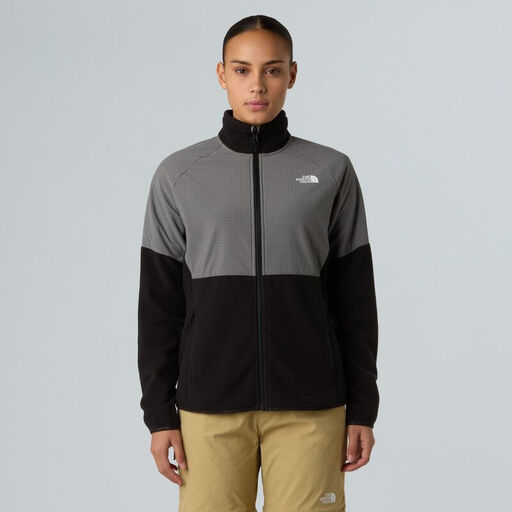
Why it suits this profile: This fleece gilet is ideal for walkers and campers who want a flexible layer for cool mornings, travelling and wearing under a rain jacket.
The model is not presented as a rain jacket. The product information describes it as a fleece mid-layer that can be combined with a breathable, waterproof outer layer.
100% polyester fleece, full-length zip, zipped pockets and a standard fit according to the product description.
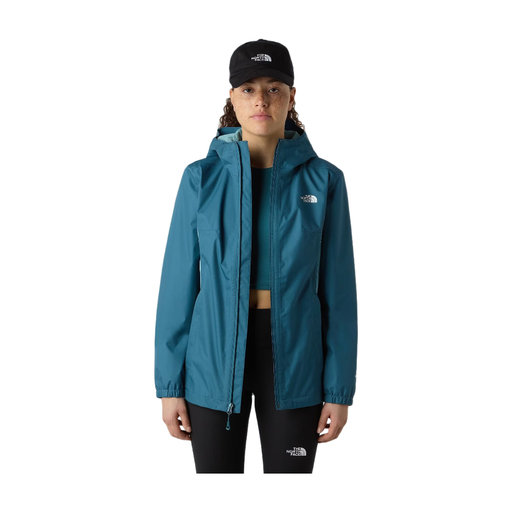
Why it suits this profile: This technical women's jacket is designed for hiking and outdoor activities in wet and windy conditions, with the option of wearing it as a standalone shell or as part of a layering system.
The product information states that it has a zip-in-compatible design and DryVent technology. Before buying, check that your other Triclimate item is compatible.
Zipped pockets, elasticated cuffs, concealed hood adjustment and 100% polyester outer fabric with a non-PFC DWR finish.
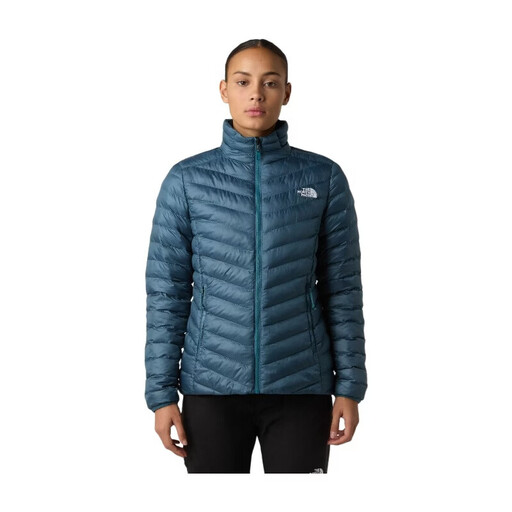
Why it suits this profile: This insulated mid-layer is intended for cold conditions, travelling and walking when you want extra warmth without wearing a heavy winter coat.
The jacket is described as an insulating mid-layer, not as a standalone rain jacket. In wet weather, combine it with a suitable shell.
Lightweight synthetic insulation, zipped pockets and a design that, according to the product information, can be packed away into the right-hand pocket.
The lifespan of an outdoor jacket depends on how it is used, washed and stored. Wash fleece according to the label, generally at a maximum of 40 °C, and allow it to dry naturally. For technical fabrics, do not use an unsuitable detergent or fabric conditioner without checking the label first.
A warm women's jacket with synthetic insulation must be completely dry before you store it. On a rain jacket, the water-repellent outer layer may become less effective after frequent wear. Follow the recommended care instructions and only treat the fabric with a product suitable for the material.
Usually not. Fleece provides warmth but is not a waterproof outer layer. Wear a The North Face women's fleece jacket under a rain jacket when you want to combine warmth with protection from precipitation.
For short walks and everyday use, a windproof or waterproof shell is practical. For longer walks, a layering system is more flexible: a fleece or insulated layer under a breathable rain jacket.
Measure your chest, waist, hips and, if necessary, arm length. Compare these measurements with the table for the model you have chosen and take into account the layer you intend to wear underneath. If in doubt, freedom of movement around the shoulders and arms is more important than a very close fit.
We have put together a complete, up-to-date list of products that fully meet these strict selection criteria and the applicable European safety regulations.
