
Vandaag of morgen in huis

Kwaliteit gegarandeerd

Welkomstaanbiedingen ontgrendelen: GRATIS bezorging | Tot 80% korting | Gratis 30 dagen JoyPlus-proefperiode
Download de app
A The North Face women’s jacket can be suitable for everyday wear, walking or more demanding outdoor activities. However, a brand name alone does not tell you whether a model suits your needs. Fleece works differently from a shell, and an insulated women’s jacket requires different care from a waterproof women’s jacket.
Pay particular attention to these common pitfalls:
First, consider the role of the jacket within your clothing system:
Material is not the only factor, but it provides a useful starting point. The fleece models mentioned are made from 100% polyester fleece. They feature a full-length zip, zipped pockets and a standard fit. Rib-knit or finished cuffs and hem help the jacket sit comfortably.
According to the product information, the outer fabric of the DryVent women’s jacket consists of 100% polyester with a non-PFC durable water-repellent finish. The jacket also features an adjustable hood, elasticated cuffs and zipped side pockets. These are verifiable features that are particularly practical when walking and travelling.
A synthetically insulated jacket is a sensible choice when you need warmth without wearing a heavy jacket. According to the product description, model NF0A8DW6 can be packed into its own right-hand pocket. This can be useful when switching between active movement and rest breaks during a hike.
Do not rely solely on your usual clothing size. Measure your chest, waist, hips and arm length, then compare them with the size chart for the specific model. The size charts for this collection range from XXS to 3XL, although the measurements may be displayed differently for each product listing.
When trying the jacket on, check the following:
A standard fit is often suitable for layering, but always check the product specifications. Someone who only wants to wear a women’s rain jacket over a T-shirt may need a different size from someone combining a fleece and insulated layer.
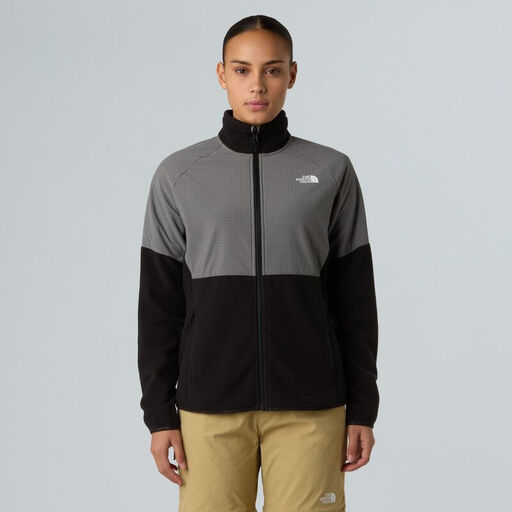
Why it suits this profile: This fleece is an accessible choice for walks, camping and everyday wear when you need a warm mid-layer.
Its role as a mid-layer is clearly described. Expect warmth and compatibility with other layers, but not standalone protection from rain.
100% polyester fleece, full-length zip, zipped pockets and a standard fit.
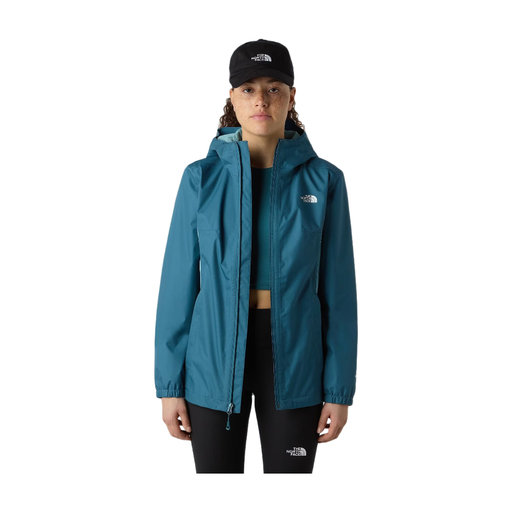
Why it suits this profile: A technical outer layer for walkers who value protection against changeable, wet and windy weather.
The hood, cuffs and pockets are clearly specified. Also check the current waterproofing information before expecting protection in prolonged rain.
DryVent technology according to the product description, zip-in compatibility and an adjustable hood.
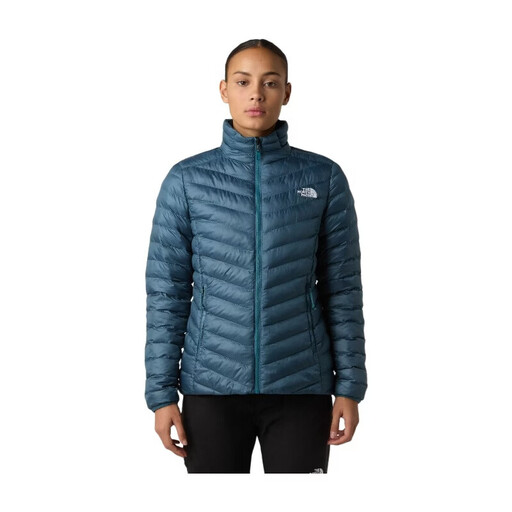
Why it suits this profile: This insulated women’s jacket is suitable for hikes, travel and camping trips when you want to add extra warmth quickly.
The jacket has not been selected for warmth alone: it packs into the right-hand pocket and can be used as a mid-layer. Check the drying instructions carefully.
Lightweight synthetic insulation, zip-in compatibility, zipped pockets and a standard fit.
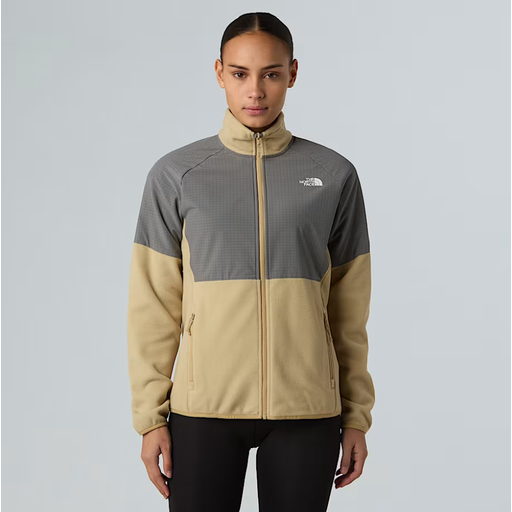
Why it suits this profile: A fleece in a neutral colourway for anyone looking for one comfortable mid-layer for the city, woodland and campsite.
The product information clearly states that it is intended for use as a mid-layer. This makes the difference between it and a women’s rain jacket or shell immediately clear.
100% polyester fleece, full-length zip, zipped pockets and sizes from XXS to 3XL according to the product information.
We have put together a complete, up-to-date list of products that fully meet these strict selection criteria and the applicable European safety regulations.
For every The North Face women’s jacket, follow the label on the inside. For the fleece products mentioned, washing at a maximum of 40 °C with similar colours is recommended. Turn the jacket inside out and fasten the zips before washing. According to the product information, the fleece versions should be air-dried and must not be tumble-dried.
For the synthetically insulated jacket, drying at a low temperature with dryer balls is recommended. Make sure the jacket is completely dry before storing it, so that the insulation does not clump together. Do not use bleach or iron the models mentioned unless the care label states otherwise.
Fleece is primarily a warm mid-layer. For rain, you need a separate shell or women’s rain jacket. For example, combine the fleece with an outer layer that is described in the product specifications as water-repellent or waterproof.
Measure your chest, waist, hips and arm length, then compare these measurements with the size chart for the specific model. Consider the clothing you intend to wear underneath. With a layering system, a little extra freedom of movement is usually practical, but a jacket that is too loose may not fit as closely in windy conditions.
A fleece or insulated jacket is useful in dry, cool conditions. In rain and wind, a DryVent women’s jacket or another technical shell is the more obvious choice. If you regularly encounter both types of conditions, consider combining a fleece, insulated layer and outer layer.
