
Vandaag of morgen in huis

Kwaliteit gegarandeerd

Welkomstaanbiedingen ontgrendelen: GRATIS bezorging | Tot 80% korting | Gratis 30 dagen JoyPlus-proefperiode
Download de app
A good jacket isn't a luxury; it's a necessity. If you're looking for a The North Face jacket for women, you're likely seeking a dependable shield against rain, wind, and cold. But the market is flooded with technical terms and marketing promises. Before you invest, it's crucial to understand a few common pitfalls that can lead to a disappointing purchase.
Pitfall 1: The "waterproof" jacket that leaks after a single downpour. Many jackets are marketed as waterproof but are merely water-repellent. They feature a DWR (Durable Water Repellent) coating that sheds light drizzle, but they will quickly let water through in a heavy rainstorm. For true waterproof performance, you need a membrane and sealed seams.
Pitfall 2: A thick, bulky jacket that isn't practical. A heavy winter coat might seem like the logical choice for the cold, but it's often impractical for active days or unpredictable weather. You can easily overheat, and the jacket is cumbersome to pack away. A smarter system often involves multiple layers, such as a shell jacket paired with a separate The North Face women's fleece vest.
To make the right choice, focus on the specifications that truly matter. Don't get distracted by marketing jargon; instead, examine the jacket's actual features.
The North Face often uses its proprietary DryVent technology. According to the brand, fabrics with this technology are engineered to be fully waterproof, windproof, and breathable. The outer layer is treated with a DWR finish that repels water, while the inner layer wicks water vapour (sweat) from the inside out. All seams are sealed to prevent water from penetrating through the stitching. A The North Face women's rain jacket with DryVent is therefore built for protection against serious precipitation, not just a few drops.
The choice of insulation depends on your intended use.
A good The North Face women's hiking jacket is more than just great fabric. Pay attention to practical details:
Not every jacket is right for every situation. Below, we match some popular models to specific user profiles.

Why This Fits Their Persona: Perfect for those who commute daily by bike or public transport, facing all kinds of weather. This jacket offers reliable protection without unnecessary technical frills, making it ideal for urban use and weekend walks.
This is not just a simple water-repellent jacket. The Quest uses 2-layer DryVent fabric with sealed seams, which the brand states provides fully waterproof and windproof protection.
Lightweight and breathable thanks to its mesh lining. The fixed, adjustable hood and elasticated cuffs effectively keep the elements out.
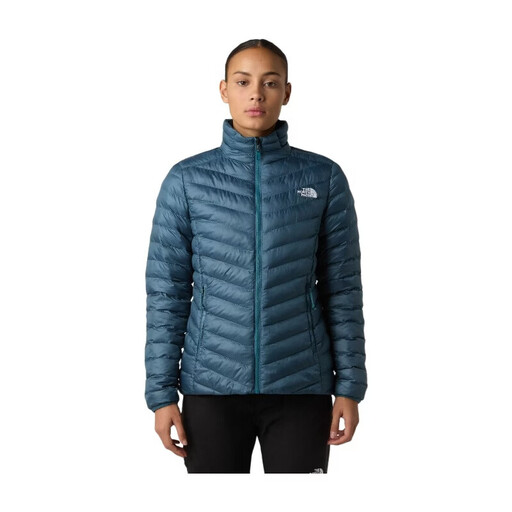
Why This Fits Their Persona: For those who love getting out into nature and need a warm, yet lightweight layer. Ideal for autumn hikes or as a mid-layer under a shell jacket in winter.
This jacket bypasses the 'bulky winter coat' pitfall. Its synthetic insulation provides warmth without the volume and maintains its performance even when damp. It is designed to pack into its own pocket.
Highly functional: it can be zipped into compatible The North Face shell jackets for a complete layering system. Equipped with convenient zippered pockets.
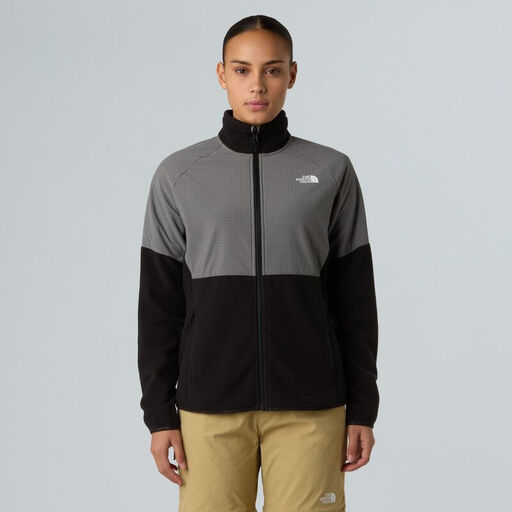
Why This Fits Their Persona: For the user who demands maximum flexibility. Wear it solo on a cool, dry day, or zip it into a shell jacket for complete protection from cold and rain. A true four-season solution.
This is the essence of a smart investment. Instead of one expensive, single-purpose jacket, this fleece vest provides the foundation for multiple outfits. It prevents you from being stuck with a jacket that's either too warm or not warm enough for the conditions.
Made from 100% polyester fleece for warmth without significant weight. Fully compatible with The North Face's Triclimate system and features zippered pockets.
We have compiled a complete, up-to-date list of products that fully meet these strict selection criteria and are built for challenging weather conditions.
1. How do I maintain the waterproof layer of my The North Face jacket? The DWR (Durable Water Repellent) finish can wear off over time and with washing. According to The North Face, you can reactivate this layer. Always follow the care instructions on the label. Typically, this involves washing with a mild detergent, rinsing thoroughly, and then tumble drying the jacket on a low setting. The heat helps to reactivate the DWR finish. If this no longer works, special sprays and wash-in treatments are available to restore the coating.
2. What is the difference between a hardshell and a softshell jacket? A hardshell, like the Quest jacket, is primarily designed to be fully waterproof and windproof. It's your outer shield against the elements. A softshell is more flexible, softer, and more breathable. Softshells are typically water-repellent and wind-resistant, but not fully waterproof. They are ideal for active pursuits in dry, windy weather.
3. Are there any tips for finding a women's TNF jacket on sale? It pays to compare prices and watch for seasonal sales, such as at the end of winter or summer. Sometimes, previous season's colours are priced more affordably. Searching for the term women's TNF jacket sale can help you find current deals across various online stores.
