
Vandaag of morgen in huis

Kwaliteit gegarandeerd

Welkomstaanbiedingen ontgrendelen: GRATIS bezorging | Tot 80% korting | Gratis 30 dagen JoyPlus-proefperiode
Download de app
A The North Face fleece jacket for women can work well for everyday wear, walking and as a mid-layer under a waterproof jacket. But a well-known brand name doesn’t automatically mean every style will suit your needs. Pay particular attention to the fabric, fit and practical details.
Many disappointing purchases come down to three common pitfalls:
Check the material on the product label. According to the product descriptions, the listed The North Face styles are made from 100% polyester fleece. Polyester fleece is lightweight, dries relatively easily and is often used for women’s fleece jackets.
The terms “heavyweight” and “heavy fleece” refer to a heavier fleece construction, according to the product information. This can be comfortable for gentle walks, camping or cold days in town. If you climb intensively or tend to get warm quickly while hiking, a less bulky mid-layer may be a better choice.
It’s also worth noting the difference between:
A standard fit generally leaves room for a T-shirt and perhaps a lightweight base layer. That’s useful for a hiking and camping fleece jacket, where freedom of movement matters. However, a jacket that’s too loose may bunch up under a rain jacket, while a fit that’s too snug can limit your layers.
Before buying, take the following measurements:
The available product variant comes in sizes from XXS to 3XL. The listed bust, waist, hip and arm measurements vary by size. Compare them with a jacket you already find comfortable. Don’t rely on the letter S, M or L alone, as size charts can vary between brands and styles.
A full-zip fleece jacket is easy to put on and take off, and lets you adjust ventilation as you go. Also look out for:
A fleece jacket isn’t automatically windproof or waterproof. For cycling, a wet woodland walk or a multi-day trek, you’ll usually need a separate outer layer.
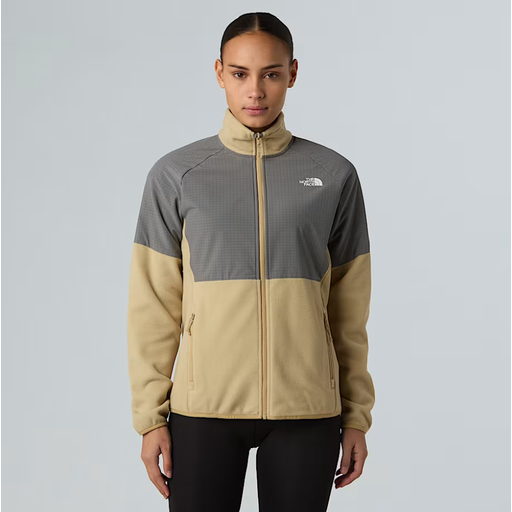
Why it suits this profile: A full-zip fleece jacket with a standard fit for everyday wear, gentle walks and getting started with layering.
The product description lists the material and size as specific details, so you don’t have to rely on general claims about warmth alone.
100% polyester fleece, a full-length zip and zipped pockets, according to the product description.
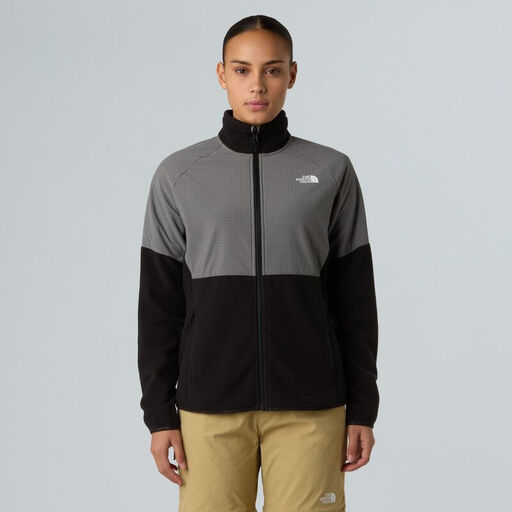
Why it suits this profile: The black version is easy to pair with everyday outfits and can be worn as a walking jacket or mid-layer.
The size chart includes bust, waist, hip and arm measurements, making it easier to compare than relying on “true to size” alone.
Zipped pockets, cuffs and hem with edging, and a standard fit, according to the product description.
Why it suits this profile: Designed for hiking, mountaineering and camping, where fleece is worn as a regular mid-layer under a breathable, waterproof outer layer.
According to the product description, the jacket is designed as a mid-layer. This makes it clear that you’ll still need a suitable shell for rain and wind.
According to the product description, the fleece is Triclimate compatible and has a full-zip front and zipped pockets.
We’ve put together a complete, up-to-date list of products that meet these strict selection criteria and the applicable European safety regulations.
Always follow the care label in the jacket. For the fleece styles listed, the product information recommends washing at 40 °C or below, with similar colours. Turn the jacket inside out, fasten the zips and use a mild detergent. According to the product description, bleach, ironing, dry cleaning and tumble drying are not recommended.
How long your fleece lasts depends on how often you wear and wash it, and what kind of jacket you wear over it. Wash it only when needed, and avoid wearing it under a rough outer layer that rubs against the fleece for long periods. This can help limit bobbling and wear without making promises about a specific lifespan.
No. Fleece is essentially an insulating layer, not a waterproof outer layer. Wear a suitable hardshell or rain jacket in wet weather. According to the product descriptions, the listed styles are designed to be worn as mid-layers under a breathable, waterproof jacket.
Compare your bust, waist, hip and arm measurements with the size chart for the specific style. Allow room for an extra base layer and the jacket you plan to wear over it. If you’re unsure, your actual body measurements are more important than your usual clothing size.
Check the sewn-in care label first. According to the product information, the listed styles should be washed inside out at a maximum of 40 °C, using mild detergent. Do not bleach, and leave the jacket to air dry. Don’t iron or dry-clean it if the care label advises against this.
