
Vandaag of morgen in huis

Kwaliteit gegarandeerd

Welkomstaanbiedingen ontgrendelen: GRATIS bezorging | Tot 80% korting | Gratis 30 dagen JoyPlus-proefperiode
Download de app
A The North Face jacket could be just the thing for a walk across the dunes, a cycle to work or a weekend camping trip. But not every jacket is designed for the same conditions. A lightweight windbreaker, for example, offers little protection from prolonged rain, while a warm fleece jacket isn’t an outer layer for wet weather.
If you focus only on the brand name, colour or a general term such as “all-weather”, you could end up with a jacket that doesn’t suit how you’ll actually use it. Pay particular attention to the construction, fit and how you plan to wear it.
A DWR finish helps raindrops roll off the surface, but it isn’t the same as a fully waterproof construction. So don’t look only for “water-repellent”; check for:
According to the product descriptions for several The North Face models, the seams on the Quest Jacket are fully sealed. That’s a specific construction feature. The level of protection you get also depends on the fit, care and how you use the jacket in practice.
A fleece jacket is mainly designed as a warm mid-layer. Fleece can be comfortable for walking, camping or everyday wear, but the product information doesn’t specify a waterproof outer layer. So, when you need protection from the rain, wear a fleece under a shell, such as a DryVent jacket.
According to the product description, a Triclimate system uses multiple layers that can be worn separately or together. Always check that your chosen inner and outer layers are actually compatible.
A standard fit doesn’t mean every jacket fits exactly the same. A The North Face women’s jacket and a The North Face men’s jacket also use different size charts. Measure your chest, waist, hips and arm length, then compare them with the chart on the product page.
Think about layers, too. If you’re choosing a jacket for walking and hiking, you may want room for an extra fleece or insulating layer. A shell that’s too tight can restrict your movement, while an overly loose jacket may let more wind through.
For changeable Dutch weather, a shell with a waterproof, windproof and breathable construction is a practical choice. According to the product description, the Quest Jacket uses 2L DryVent, a mesh lining and a DWR finish. It also has an adjustable hood, elasticated cuffs and a drawcord hem.
Note the difference between a hard shell and a soft jacket. A waterproof shell is designed to protect you from rain. A fleece-lined windbreaker is better suited to dry, windy conditions.
Warmth doesn’t come only from a thick outer jacket. A flexible system often consists of:
According to the product information, the NF0A8DZY fleece jacket is made from 100% polyester fleece and is designed as a mid-layer. The NF0A8DW6 uses synthetic insulation and, according to the description, can be packed into its own right-hand pocket. This can be handy when you switch between activity and rest during a walk.
For running and high-intensity activities, a relatively simple cut, secure zipped pockets and close-fitting cuffs are useful. For everyday wear, extra storage, an adjustable hem and comfortable chin protection may matter more.
Also check:
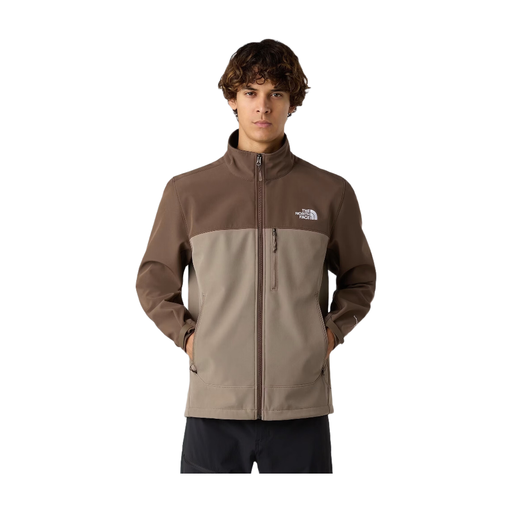
Why it suits this profile: This windbreaker is a practical choice for everyday wear, dry walks and crisp spring days. Its standard fit and soft fleece backing make it easy to layer.
The product description calls this model windproof, but not waterproof. That makes it clearer when you’ll need an extra rain layer.
93% polyester and 7% elastane; zipped pockets, adjustable hem and fleece lining.

Why it suits this profile: This The North Face women’s jacket is designed for walking in changeable conditions. The combination of DryVent, an adjustable hood and sealed seams makes it a good fit for regular outdoor use.
The specifications list waterproofing, windproofing, breathability and fully sealed seams separately. So you don’t have to rely on a single general marketing term.
2L DryVent with mesh lining; adjustable hood, cuffs and hem; two zipped pockets.

Why it suits this profile: According to the product description, this model is designed for outdoor training and running in wet conditions. Its practical pockets and close-fitting cuffs are well suited to active use.
The description specifies sealed seams and DryVent fabric. This makes it easier to distinguish from an ordinary windbreaker.
100% recycled polyester according to the product information; hood, chest pocket and zipped hand pockets; PFC-free DWR finish according to the description.
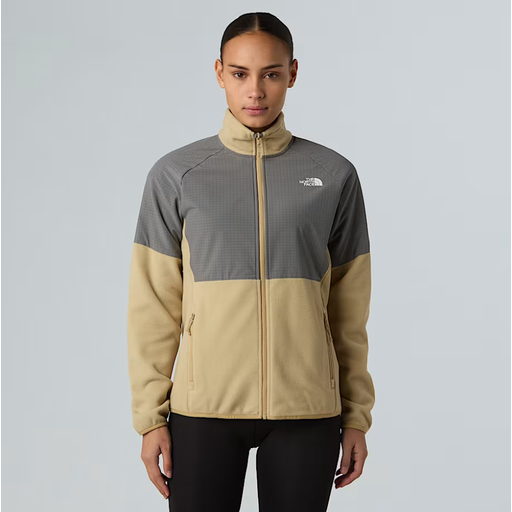
Why it suits this profile: An affordable fleece jacket for everyday wear, walking and camping. Wear it on its own in dry weather or under a shell as an extra layer.
The product information presents this model as a mid-layer, not a rain jacket. That helps set the right expectations before you buy.
100% polyester fleece; full-length zip and zipped pockets; suitable as a layer in a Triclimate system according to the product description.
A coating’s performance can change with washing and wear. So always follow the care label in your jacket. For the NF0A8DY2, the product information recommends washing at up to 40 °C, air-drying and not using bleach. According to the same information, the DWR finish can be reactivated if the care label allows it.
Use a mild detergent if possible, fasten all zips and turn the jacket inside out before washing. A fleece jacket should usually be air-dried and, according to the product information, must not be ironed or dry-cleaned. Check the current instructions on the care label, as advice can vary between models.
We’ve put together a complete, up-to-date list of products that meet these strict selection criteria and the applicable European safety regulations.
It depends on the model. A jacket with waterproof DryVent fabric and sealed seams, as stated in the product description, is designed to act as a rain-protective shell. A fleece jacket or windbreaker won’t automatically have these features. Always check the exact product specifications.
A waterproof and windproof shell is a practical choice for changeable conditions. If you also need warmth, you can add a fleece or synthetic insulating layer. A zip-in-compatible jacket can be worn as part of a Triclimate system, provided the models are compatible.
Measure your chest, waist, hips and arm length, then compare them with the size chart for the specific model. Allow room for a base layer or fleece if you plan to wear the jacket in layers for walking or camping. The “true to size” note in a product description is a guide; the stated measurements in centimetres or inches are what matter.
