
Vandaag of morgen in huis

Kwaliteit gegarandeerd

Welkomstaanbiedingen ontgrendelen: GRATIS bezorging | Tot 80% korting | Gratis 30 dagen JoyPlus-proefperiode
Download de app
A jacket can look technical and still not be right for the way you plan to use it. When choosing a The North Face jacket, buyers often fall into three common traps:
Deciding what you need the jacket for before you buy can help you avoid wearing a lightweight windproof jacket in prolonged rain or finding that a warm outdoor jacket feels too heavy for an active walk.
Don’t just look for the word “waterproof”. Check whether the product description mentions taped or fully sealed seams, an adjustable hood and secure cuffs. These details help limit the gaps where rain can get in.
According to the product descriptions, a DryVent jacket is made with waterproof, windproof and breathable fabric. The Quest Jacket is also described as having a mesh lining. This can be useful when you’re walking in changeable conditions, but breathable fabric won’t stop you getting warm during strenuous activity.
For running or training, low weight, freedom of movement and zipped pockets are often more important than a thick lining. Also check whether the style is designed as a shell, a mid-layer or a complete system.
A shell mainly protects you from rain and wind. A fleece jacket or insulated jacket adds warmth. A 3-in-1 system combines both functions, making it more versatile, but it’s usually bulkier than a single lightweight jacket.
The Triclimate description lists an outer layer and a separate inner jacket with 550 fill power down insulation. According to the product information, you can wear the layers separately or together. If you’re considering down, check the care label and make sure the product suits your preferences around animal-derived materials; the product information states that it contains animal-derived materials.
For a women’s jacket, use your chest measurement as a starting point; for a men’s jacket, start with your chest and hip measurements. Sizing can vary between styles. For example, the women’s Quest Jacket is listed as having a standard, comfortable fit. Size M is shown as fitting a chest measurement of 90–96 cm, with a length of 80–81 cm.
When trying on a jacket, wear the clothes you’d normally wear underneath it. Then check:
Choosing a The North Face women’s jacket or The North Face men’s jacket isn’t just about the colour or size label. The cut, sleeve length and room for layers all affect how comfortable the jacket is for travelling, camping or walking in the Netherlands.
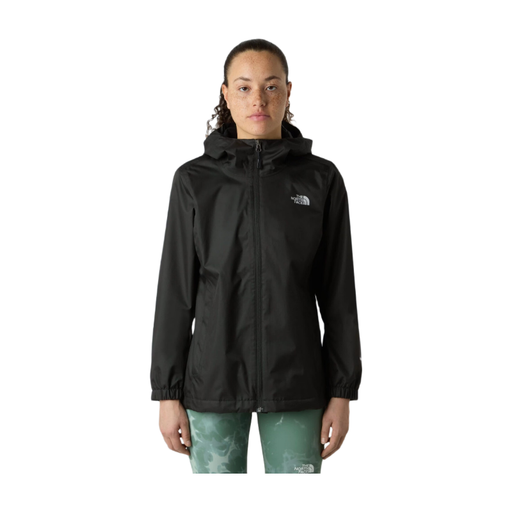
Why it suits this profile: This Quest Jacket is a practical shell for everyday rain, walks and travel. Its standard fit and adjustable features make it an accessible choice for your first outdoor jacket.
The product description specifies a fully sealed, waterproof and windproof 2L DryVent layer. This makes it clear that it’s a shell, so you’ll need to add warmth with layers.
Adjustable hood, elasticated cuffs, drawcord hem and two zipped pockets.
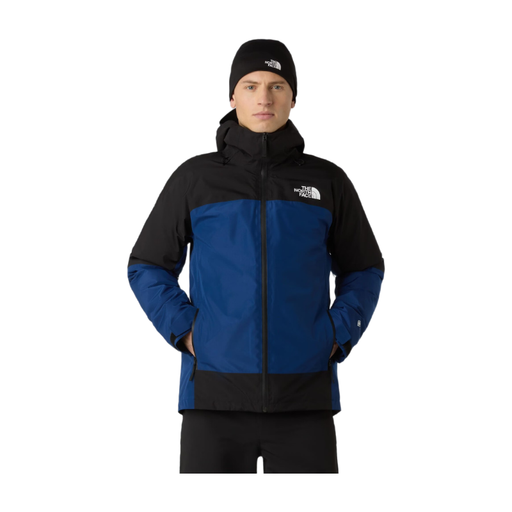
Why it suits this profile: The Triclimate jacket is a good fit if you want one system for commuting, travelling and changing outdoor conditions.
According to the product information, you can wear the two layers separately or together. That means you won’t need to buy a different jacket for every type of weather.
Protective outer layer, 550 fill power down insulation, adjustable cuffs and underarm venting zips.
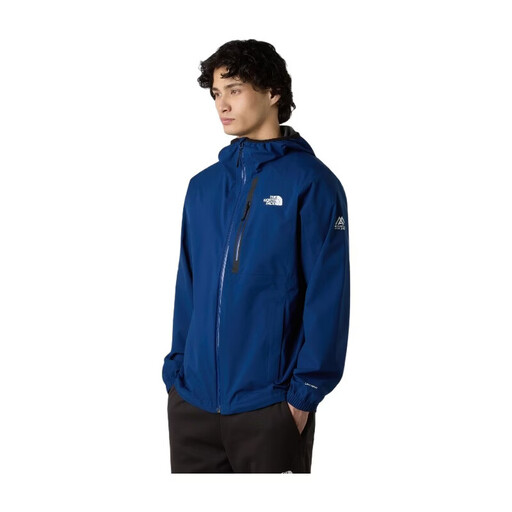
Why it suits this profile: This style is designed for running, training and active walking where rain protection matters.
The description mentions sealed seams, DryVent fabric and a standard fit. Be sure to check the care instructions so you can look after the DWR finish properly.
Made from 100% recycled polyester according to the product information, with a hood, chest pocket and zipped hand pockets.
We’ve put together a full, up-to-date list of products that meet these strict selection criteria and the applicable European safety regulations.
Always follow the care label for the specific style. Fasten zips and hook-and-loop closures before washing, and use a mild detergent. Avoid bleach and dry cleaning if the product information advises against them.
A water-repellent outer layer may become less effective over time. Some styles recommend reactivating the DWR finish using low heat or a suitable reproofing treatment, but only if the care label allows it. Store the jacket dry and let it air thoroughly after a wet walk.
It depends on the style. A jacket with waterproof fabric, sealed seams, an adjustable hood and secure cuffs is a better choice for rain than a lightweight lifestyle or fleece jacket. Always check the product specifications: a windproof jacket isn’t automatically waterproof.
For hiking in changeable weather, a DryVent shell is a practical option if you prefer to manage warmth with layers. A Triclimate jacket offers more flexibility by combining an outer layer with an insulated inner jacket. If you’re hiking at a fast pace, useful features to check include venting zips, zipped pockets and plenty of room to move.
Wash the jacket according to the care label, fasten all the zips and use a mild detergent. Hang it up to dry if the instructions recommend this. If the water-repellent finish becomes less effective, you may need to reproof the jacket. Don’t use high heat unless the care label specifically allows it.
