
Vandaag of morgen in huis

Kwaliteit gegarandeerd

Welkomstaanbiedingen ontgrendelen: GRATIS bezorging | Tot 80% korting | Gratis 30 dagen JoyPlus-proefperiode
Download de app
A The North Face jacket can be suitable for a walk through the dunes, a cycle ride to work or a multi-day trek. However, a familiar brand logo does not automatically mean that a jacket is right for the way you use it. The difference often lies in the construction, material and fit.
A Durable Water-Repellent finish, usually referred to as DWR, helps raindrops roll off the surface. This coating can become less effective through use and washing. That is different from a waterproof membrane or a jacket with sealed seams.
Look out for terms such as seam-sealed, taped seams and a specific membrane such as DryVent. A jacket without clear information about its seams may still let moisture through during prolonged rain.
A thick insulated jacket is comfortable when standing still or in cold weather, but during running, hiking or cycling, heat can quickly build up. A lightweight shell, fleece jacket or jacket with ventilation zips offers more flexibility in these situations.
For changeable Dutch weather, a 3-in-1 jacket is practical: wear the outer layer in the rain, the inner layer in dry, cool weather, or both together when it is cold.
An outdoor jacket should provide enough freedom of movement for a fleece or thin insulated jacket. At the same time, an overly loose jacket can allow wind to enter at the hem and sleeves. Check the chest, waist, hip and arm measurements in the size guide and compare them with a jacket you already find comfortable.
A waterproof jacket is particularly useful when you spend longer periods outdoors in the rain. Do not just look for the word ‘waterproof’; also check for:
A windproof jacket does not always need to be fully waterproof. A softshell or fleece-lined windbreaker can be suitable for dry, windy days. For rain and strong winds, a technical shell is the more logical choice.
During intense activity, breathable fabric helps carry moist air away from the body. Bear in mind that breathability also depends on your pace, humidity and the clothing you wear underneath.
The product information for several The North Face models states that the outer fabric is made from 100% polyester. According to the product description, the NF0A8DY2 Estate Blue is made from recycled polyester with a Non-PFC DWR finish. Always check the care label, as incorrect washing can affect the fit and finish.
For the PELLIOT fleece-lined jacket, the product page states a water column of 35.900 mm H₂O, a quoted breathability rating of 16.000 g/m²/24 hours and abrasion resistance of more than 40,000 rub cycles. These are product specifications taken from the brand and product information; they do not guarantee the same experience in every weather condition.
A fleece jacket usually works as a mid-layer. A synthetically insulated jacket is useful when you want to carry as little weight as possible. Down can provide plenty of warmth at a low weight, but its performance can change when the material gets wet.
With a 3-in-1 jacket, check how the layers are connected and whether they can also be worn separately. Ventilation zips, zipped pockets and a well-adjustable hood are practical details for hiking and trekking.
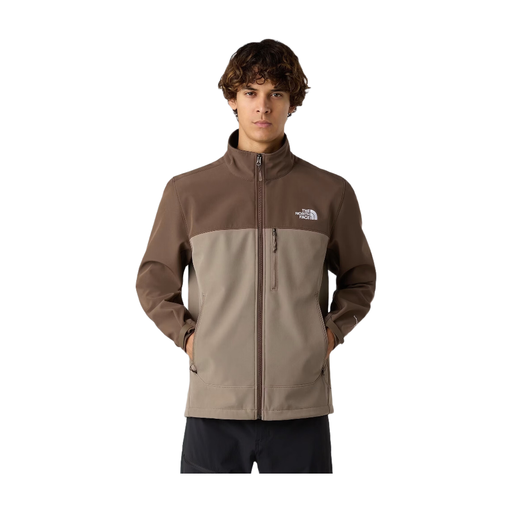
Why it suits this type of user: This windbreaker is suitable for everyday use, short walks and dry spring days. The fleece backing makes it comfortable as a lightweight outdoor jacket.
The product description mentions windproof protection, an adjustable hem and cuffs. Bear in mind that this model is not described as a fully fledged rain jacket.
93% polyester and 7% elastane; zipped chest and hand pockets; soft fleece lining.

Why it suits this type of user: The Quest Jacket is a functional The North Face women's jacket for walking, travelling and changeable weather. The regular fit provides room for a thin mid-layer.
According to the product description, the jacket has fully sealed seams, DryVent fabric, an adjustable hood and a drawcord at the hem.
2L DryVent with DWR finish; mesh lining; two zipped pockets; sizes XS to 3XL according to the product page.

Why it suits this type of user: This Triclimate 3-in-1 jacket is designed for users who want one system for different conditions during hiking, trekking and travel.
According to the product information, the outer layer and inner jacket can be worn separately or together. This means you do not need to buy a different jacket for every temperature.
Adjustable hood; taped outer seams; underarm zips; inner layer with 550 fill power down, according to the product information.
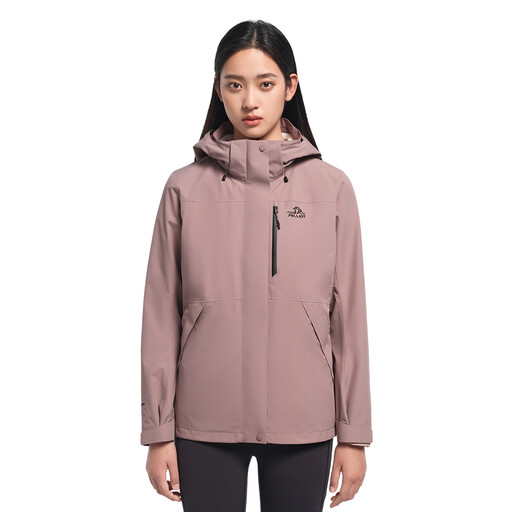
Why it suits this type of user: This women's fleece-lined jacket is aimed at camping, commuting and trekking, where a warm inner layer and protective outer layer are desirable.
According to the product page, the model consists of an outer layer and a removable inner layer. This allows you to adapt the combination to the weather and your level of activity.
Quoted water column of 35.900 mm H₂O; quoted breathability of 16.000 g/m²/24 hours; adjustable hood, hem and cuffs.
We have compiled a complete, up-to-date list of products that fully meet these strict selection criteria and the applicable European safety regulations.
For a The North Face men's jacket, use the chest and arm measurements provided on the product page. For a women's jacket, chest, waist and hip measurements are important. For hiking, allow a little extra room if you want to wear a fleece or thermal shirt underneath the jacket.
Wash a jacket according to the care label, and close zips and hook-and-loop fastenings before washing. Use a mild detergent for technical fabrics and avoid bleach. A DWR finish may need maintenance; follow the manufacturer's instructions for this. Many models should be air-dried. An insulated jacket must be completely dry before you store it.
That depends on the model. According to the product description, a DryVent jacket with sealed seams is designed to protect against rain. A fleece jacket or windbreaker mainly provides warmth and wind protection and is not automatically suitable for prolonged rain.
Its lifespan depends on use, friction, washing and storage. Check the seams, zips and outer finish regularly. Cleaning the jacket according to the care label and maintaining a water-repellent finish in good time will generally help preserve its original performance.
Choose a rain jacket for a lightweight, compact outer layer. A fleece jacket is particularly suitable for dry cold weather and as a mid-layer. A 3-in-1 jacket offers more combination options, but is usually heavier and bulkier. Base your choice on whether you plan to walk, cycle, camp, use it every day or take part in intensive activities.
