
Vandaag of morgen in huis

Kwaliteit gegarandeerd

Welkomstaanbiedingen ontgrendelen: GRATIS bezorging | Tot 80% korting | Gratis 30 dagen JoyPlus-proefperiode
Download de app
A The North Face gilet can come in handy on a walk through the dunes, on your bike ride to school or as an extra layer under a raincoat. But a well-known brand name doesn’t automatically mean every model will suit your needs. Three common pitfalls are worth watching out for: a gilet that seems warmer than it is, a fit that restricts your movement, and a water-repellent finish mistaken for full rain protection.
Checking the right product details can help you choose with confidence. Below, we compare several models based on their materials, insulation, fit and intended use.
A padded gilet may look thick, but its filling and construction determine how useful it is. Synthetic insulation is often chosen because, according to product information, it can help retain warmth in light damp conditions. That doesn’t mean a gilet is suitable for prolonged rain or for sitting still in low temperatures.
Check where the insulation is placed. A model insulated across the chest and back may feel different from a fully lined gilet. Breathable side panels can be comfortable for walking or training, but may provide less warmth at the sides.
A wind-resistant gilet with a Durable Water-Repellent finish can help repel light drizzle. However, DWR doesn’t automatically make a garment waterproof. Check whether the product description refers only to protection from light damp, or mentions a waterproof membrane and taped seams.
In changeable British weather, a gilet is best suited as a mid-layer or as an outer layer in dry conditions. Take a separate raincoat with you if you’re expecting prolonged rain.
A gilet that’s too tight can pull across the shoulders and restrict your arms. One that’s too loose may let warmth escape through the armholes. Check the chest and hip measurements in the size guide, and allow for a T-shirt, jumper or fleece underneath.
The available sizes and size labels for a men’s The North Face gilet aren’t always the same as those for a unisex The North Face gilet. The unisex navy model also uses a separate size guide for teenagers. So don’t compare just the S, M or L label; check the body measurements too.
If you’re looking for an insulated gilet for walking or everyday wear, it’s worth checking:
The product description for model NF0A8DY6 specifies ThermoBall synthetic insulation in the chest and back panels. It also says this is combined with breathable side panels. The outer fabric is made from 91% polyester and 9% elastane. This stretchy blend can be comfortable for cycling, walking or training.
A gilet covers your torso but leaves your arms free. This gives you more freedom of movement, although you may still feel the wind through the armholes. The product description for model NF0A89HS mentions WINDWALL technology. According to the product information, it’s designed to reduce the chill of cold winds while keeping the fabric breathable.
Think of technology names like these as an indication of the design, not a guarantee of comfort in every situation. A strong wind on an exposed cycle path feels different from a gentle walk through town.
Check the practical details too:
The product description for NF0A8DY6 mentions a stretchy outer fabric, as well as FlashDry material that helps wick moisture away from the skin. The same description recommends washing at a maximum of 40 °C, fastening the closures and allowing the garment to dry completely. Always follow the label inside the garment, as care instructions can vary between versions.
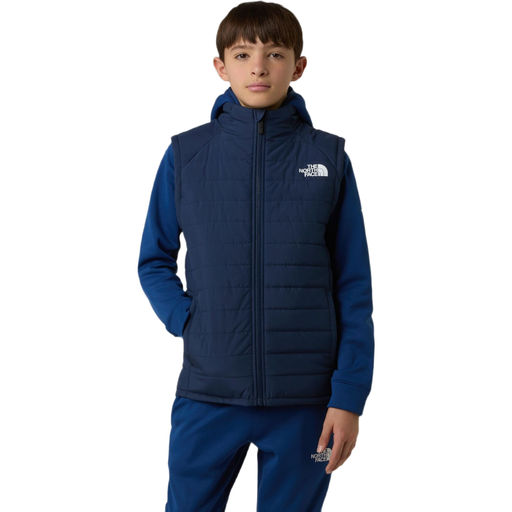
Why it suits these needs: This navy unisex model is designed for everyday wear and walks in colder weather. Its regular fit is practical if you want to wear a jumper underneath.
The product description mentions both synthetic insulation and WINDWALL. Be sure to check the wearer’s size, as the product information includes separate sizes for teenagers.
100% polyester outer fabric according to the product information, synthetic insulation and hand pockets with VISLON zips.
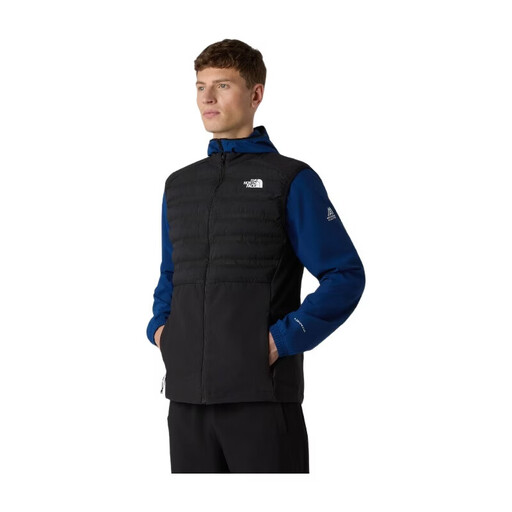
Why it suits these needs: This black men’s gilet combines insulation across the chest and back with stretchy side panels. It’s well suited to everyday wear and outdoor activities where you want to keep your arms free.
The size guide runs from XS to 3XL. The stretch in the outer fabric helps prevent a restrictive feel, but check your chest measurement before ordering.
ThermoBall synthetic insulation according to the product description, 9% elastane in the outer fabric and a PFC-free DWR finish according to the listed specifications.
Why it suits these needs: For training, brisk walks or cycling, this model combines light weight, insulation and flexible side panels. FlashDry is mentioned in the product description for wicking away moisture during exercise.
The combination of insulation and stretchy fabric means you don’t have to rely on a thick, stiff layer alone. DWR only offers protection from light damp.
Chest and back insulation, breathable side panels and an outer fabric made from polyester and elastane, according to the product details.
We’ve put together a full, up-to-date list of products that meet these strict selection criteria and the applicable European safety regulations.
That depends on the model and the weather. An insulated gilet can be comfortable for walks in cool, dry conditions. You’ll usually need an extra waterproof layer for rain. If you’re walking at a brisk pace, choose a fit that leaves room for a top or fleece without the gilet hanging loosely around your body.
The fit varies by model. According to the product information, NF0A8DY6 has a size guide with chest and hip measurements from XS to 3XL. If possible, measure a gilet or jacket that fits you well and compare those measurements with the guide on the product page. An M in one model may not fit the same as an M in a unisex model.
Always follow the care label. For NF0A8DY6, the product information recommends washing at a maximum of 40 °C, avoiding bleach and tumble-drying on a low setting. Let the gilet dry completely before putting it away. Always check the specific instructions for other models, particularly if the gilet has a coating or specialist insulation.
