
Livraison le jour même et le lendemain

Qualité garantie

Débloquez vos offres de bienvenue: Livraison GRATUITE | Jusqu'à -80 % | 30 jours d'essai gratuits à JoyPlus
Téléchargez l'application
Buying noodles and pasta online may seem straightforward, until you discover how much they can differ in ingredients, preparation time, serving size and allergens. Packaging terms such as “gluten-free”, “low-carb” or “authentic flavour” do not always tell the whole story. Comparing products carefully helps you avoid choosing something that does not suit your recipe, diet or household.
“Gluten-free” and “wheat-free” do not automatically mean the same thing. Always check the ingredients list and allergen information. For example, the Grand’Italia gluten-free fusilli and penne are described as suitable for a gluten-free diet, while also stating that the product contains or may contain traces of soya. This is particularly important if you have a soya allergy.
Alternative products also require careful checking. According to the product information, Hethstia Konjac Noodle Oat Spaghetti contains gluten from oats. The term “gluten-free oats” therefore does not necessarily mean that the finished product is gluten-free.
Thin rice vermicelli, wide rice sticks and firm buckwheat noodles behave differently when boiled, soaked and stir-fried. A noodle that works well in soup may become too soft in a salad. So check the recommended preparation time and serving suggestions before placing your order.
A 400 or 500 gram pack may seem good value, but also consider the number of servings and how you intend to use the product. A family-sized pack is useful if you cook regularly, while a smaller pack is a better choice when you want to try a new flavour. Dried products also need to be stored somewhere dry and kept tightly sealed.
Start with the ingredients, not the marketing copy. Pay particular attention to:
A product description on an online shop is useful for an initial comparison. Before eating, always read the label on the packaging, as this contains the most up-to-date information.
Compare products on the same basis. Pay particular attention to energy, carbohydrates, protein, fat and salt per 100 grams. Traditional rice noodles and pasta are generally high in carbohydrates. For example, Sunlee Premium Rice Stick 5mm lists 360 kcal and 81 grams of carbohydrates per 100 grams. This makes the noodles suitable as a base for Pad Thai or pho, but not necessarily for a low-carbohydrate eating plan.
Konjac noodles stand out for their low energy content. Hethstia Konjac Noodle Fettuccine lists 6 kcal and 1.3 grams of carbohydrates per 100 grams. However, the nutritional value tells you nothing about the flavour or how filling a complete meal will be; the sauce, oil, vegetables and sources of protein also affect the final result.
Choose the shape according to the dish:
Also consider how the noodles need to be prepared. According to the product information, Wheatsun Buckwheat Noodles require 5 to 7 minutes of cooking. Jub Jub Instant Rice Noodles Tom Yum are designed for a quick meal: add 400 ml of boiling water and cook for approximately 3 minutes. The seasoning includes lemongrass, lime, chilli and galangal, among other ingredients; if you have allergies, check the full ingredients list, which also states that it contains soya protein.
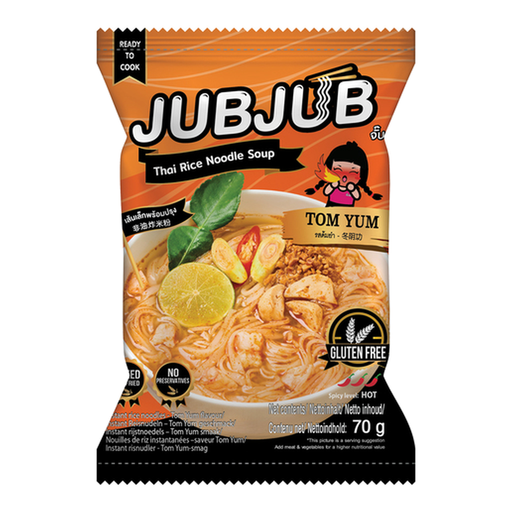
Why it suits this profile: A compact portion with a short preparation time for anyone wanting to try Asian noodles quickly.
The packaging states the serving size, ingredients and a specific preparation time of approximately 3 minutes. Do note the soya in the seasoning.
Rice flour as the base, 70 g per pack and a Tom Yum flavour featuring lemongrass, lime and chilli, among other ingredients.
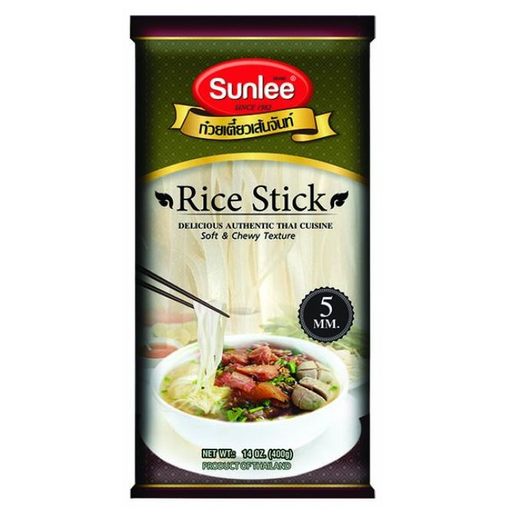
Why it suits this profile: A generous pack for fans of Pad Thai, pho and stir-fries who want to choose the thickness of their rice noodles.
The 5 mm thickness and 6 to 8-minute cooking time are clearly specified. This makes it easier to choose the right noodles for soup or stir-frying.
Made from 90% rice flour and 10% water according to the product information; listed as free from gluten, egg, peanuts and soya.
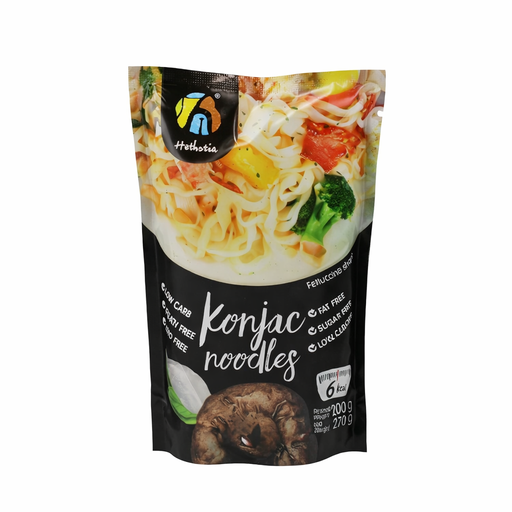
Why it suits this profile: Designed for anyone looking for low-carbohydrate noodles for quick pasta-style meals and who can store the product in the fridge after opening.
The nutritional values and preparation method are clearly stated. However, check the oat content: the product information lists gluten from oats.
270 g per pack, 6 kcal and 1.3 g of carbohydrates per 100 g according to the label; refrigerate after opening and use within 2 days.
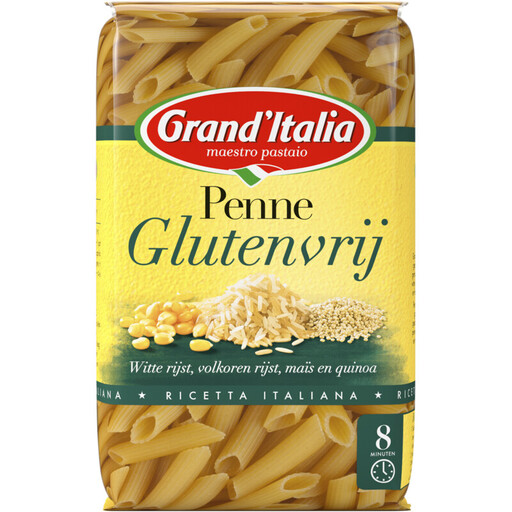
Why it suits this profile: The familiar penne shape works well in baked dishes, salads and with sauces, making it easy to include in family recipes.
The types of flour are specified: white rice, wholegrain rice, maize and quinoa. The soya warning means you do not have to rely solely on the front of the packaging.
400 g pack, 359 kcal and 77 g of carbohydrates per 100 g; made with rice, maize and 1% quinoa according to the product information.
We have put together a complete, up-to-date list of products that fully meet these strict selection criteria and the applicable European safety regulations.
Use this quick checklist before you complete your purchase:
Rice sticks of approximately 5 mm are a practical choice. Sunlee Premium Rice Stick 5mm lists a cooking time of 6 to 8 minutes and is intended for Pad Thai, soups and stir-fries, among other dishes. A thicker 10 mm rice stick gives a firmer bite.
Not automatically. Wheatsun, NH, CKM, Ottogi and Jingxing list wheat or wheat gluten in their ingredients or allergen information. Buckwheat noodles may therefore contain buckwheat but still not be suitable for a gluten-free diet.
Unopened dried pasta and noodles can generally be stored until the date shown on the packaging, provided they are kept somewhere cool and dry. Always check the stated best-before date. Opened konjac noodles need extra care: store them refrigerated according to the product instructions and use them within the stated period.
