
Vandaag of morgen in huis

Kwaliteit gegarandeerd

Welkomstaanbiedingen ontgrendelen: GRATIS bezorging | Tot 80% korting | Gratis 30 dagen JoyPlus-proefperiode
Download de app
Noodles and pasta may seem like simple shopping staples, but there can be a big difference between products. Looking for a quick meal, Asian noodles for a stir-fry, gluten-free noodles for the family or pasta suitable for babies? The ingredients, preparation method and nutritional information will determine whether a product is really right for you.
Pay particular attention to three common pitfalls:
The ingredients list is more important than the claims on the front of the pack. When buying wheat pasta and many Asian noodles, check whether they contain wheat and gluten. This also applies to wholemeal pasta: wholemeal does not mean gluten-free.
For a gluten-free diet, rice noodles and vermicelli made from rice, potato starch, tapioca starch or mung beans may be suitable options. However, check that the product is clearly labelled as gluten-free and inspect the packaging for information about cross-contamination. For example, Bamboo Tree Vietnamese Fine Rice Vermicelli lists rice as its main ingredient and is described as gluten-free.
Pay close attention to the variety when choosing konjac noodles. According to the product information, Hethstia Konjac Noodle Fettuccine contains no allergens, while DSKONYAKU Premium Pasta Konjac Noodle contains milk and soya. Hethstia Konjac Noodle Oat Spaghetti also contains gluten according to the stated allergen information. Always check the current packaging.
Compare products on the same basis: per 100 grams. Look at energy, carbohydrates, protein, fibre and salt. A product labelled as containing vegetables or whole grains is not automatically suitable for your diet.
B+ Whole Grain Fusilli is made from 100% organic wholegrain durum wheat and lists 7 grams of fibre per 100 grams. This makes it a clear choice for anyone specifically looking for wholemeal pasta. However, the product does contain gluten.
According to their product labels, konjac products generally have a lower energy value. Hethstia Fettuccine lists 6 kcal and 1.3 grams of carbohydrates per 100 grams. This is a product specification, not a guarantee of any particular health or weight-related result. Texture is also worth considering: konjac noodles are often softer and absorb the flavour of a sauce well.
The shape determines how you can use the noodles or pasta:
Cooking instructions vary. According to the product information, YunShanBan Colorful Vegetable Dried Noodles need to be boiled for approximately 3 to 5 minutes, while Bamboo Tree rice vermicelli should first be soaked for 5 to 7 minutes and then boiled for 2 to 3 minutes. Always follow the preparation method on the packaging and taste as you go to achieve the texture you prefer.
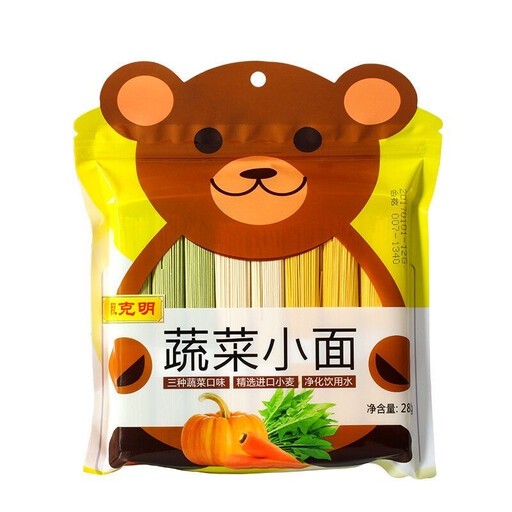
Why it suits this profile: The pack contains three varieties with carrot, spinach and pumpkin powder. At 280 grams, it is a manageable quantity for trying out different flavours.
The ingredients list clearly states which vegetable powder is used and in what quantity. However, the product contains wheat, so it is not suitable for a gluten-free diet.
Cooking time of approximately 4 to 5 minutes; suitable for soups, sauces and stir-fries.
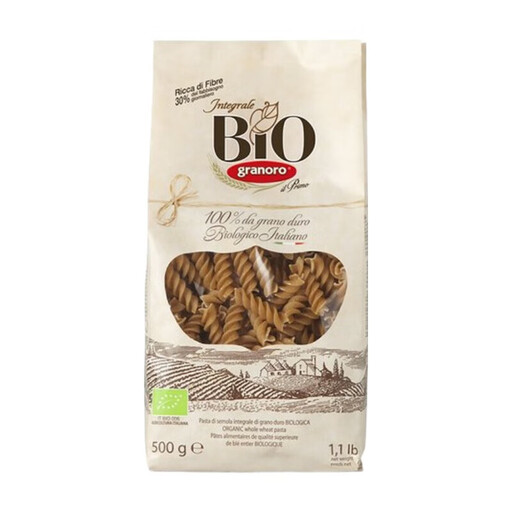
Why it suits this profile: If you are looking for clear ingredients and a classic shape, this 500-gram pack of fusilli made from 100% organic wholegrain durum wheat is a strong choice.
The composition is short and easy to verify. No vegetable or diet claims are used to obscure the main ingredient. It contains gluten.
7 grams of fibre and 12 grams of protein per 100 grams according to the product information; suitable for pasta salads and rich sauces.
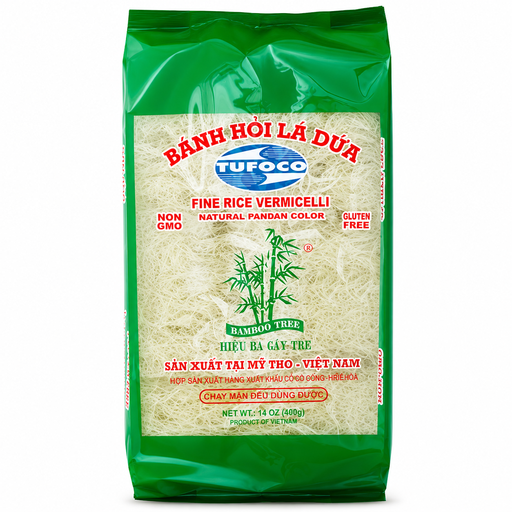
Why it suits this profile: This fine rice vermicelli is designed for Vietnamese dishes, soups, salads, spring rolls and stir-fries. The 340-gram pack is suitable for regular use.
The preparation method is clear: soak for 5 to 7 minutes, then boil for 2 to 3 minutes. The product information states that it contains 88% rice and is gluten-free.
Fine texture; suitable for pho-style soups, fresh salads and spring rolls.
We have compiled a complete, up-to-date list of products that fully meet these strict selection criteria and the applicable European safety regulations.
For children, the shape can help spark interest in a meal. According to the label, YunShanBan Colorful Vegetable Dried Noodles are butterfly-shaped and contain, among other ingredients, powdered beetroot, carrot, spinach, pumpkin and purple sweet potato juice. The product contains wheat flour and gluten. According to the product information, the cooking time is around 3 to 5 minutes.
Regular pasta is not automatically suitable for babies. Choose baby food pasta with a stated age recommendation, an adapted texture and clear preparation and storage instructions. According to the product information, Olvarit Spaghetti Bolognese is suitable from 8 months and contains wheat, egg and beef. Leftovers should be kept covered in the fridge and used within 48 hours. Always follow the label and the manufacturer's instructions.
Not every rice noodle is automatically gluten-free. Check the ingredients, allergen information and any gluten-free labelling. Products may be made in the same facility as wheat products.
Store dried noodles and pasta in a cool, dry place in a tightly sealed container, away from moisture and direct sunlight. According to the product information, opened fresh or ambient konjac noodles often need to be refrigerated and used within a few days. Follow the packaging instructions.
It depends on the packaging, portion size and preparation method. Dried pasta and noodles sold in bags are often practical for several people. Instant noodles save time, but usually come with a separate seasoning or sauce sachet. So do not compare only the price per pack; also check the price per 100 grams and the salt content.
