
Vandaag of morgen in huis

Kwaliteit gegarandeerd

Welkomstaanbiedingen ontgrendelen: GRATIS bezorging | Tot 80% korting | Gratis 30 dagen JoyPlus-proefperiode
Download de app
Instant noodles are handy for students, busy households and fans of Asian food. Add hot water or use a pan, and you can have a meal or snack ready in just a few minutes. But not all packs are the same. Key differences include portion size, preparation method, spice level, allergens and price per portion.
If you look only at the product photo or a low overall price, you could end up with a purchase that doesn’t suit you. Here’s what to look for when choosing Asian instant noodles, ramen noodles and multipacks.
A box of 30 packs sounds like good value, but each portion could weigh 55, 60, 79, 90, 120 or 130 grams. So don’t just compare the price per box. Also check:
A multipack of noodles is especially practical if you eat that flavour regularly. If you’re trying it for the first time, a pack of 5 or 6 may be a better choice.
Korean ramen, such as Samyang Buldak, is known for its spicy sauces. Thai noodles often feature chilli, lime, lemongrass and seafood flavours. How hot they taste depends on the sauce, the chilli powder and the amount of water used.
With spicy noodles, you can add the sauce gradually. Also check whether the product is suitable for your household. Some varieties contain wheat, soya, milk, fish, sesame or crustaceans.
You can’t prepare all instant noodles simply by adding hot water. Some products need to be boiled for five minutes and then drained. Others are intended as soup, while varieties such as carbonara ramen are prepared as stir-fried noodles.
Read the instructions before you buy. That way, you can make sure the product suits your workplace, student accommodation or kitchen routine.
For stocking up, bulk packs of instant noodles and boxes of 20 or 30 packs are practical. Individual packs are also easy to share out. Just remember to check how much storage space you have and the best-before date.
Examples:
Choose a format to suit how you’ll use them:
For Samyang Buldak Hot Chicken Carbonara, the product instructions say to boil the noodles, drain most of the water and briefly stir the sauce through them. This differs from noodles such as MAMA, which are often prepared as soup.
Always check the label on the current packaging. Product information on a website may differ from what’s on the pack. Pay particular attention to:
Brand claims about flavour or authenticity are not independent assessments. Treat them as information from the brand, and base your choice mainly on the ingredients, weight, preparation method and allergens.
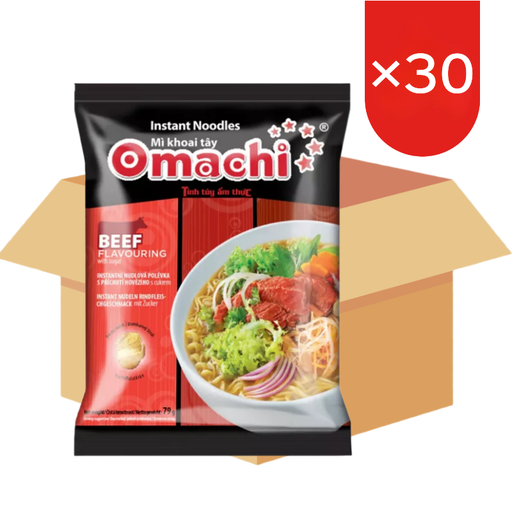
Why it suits this type of shopper: A box of 30 individual portions is practical for students, shared households and well-stocked cupboards. At 79 grams, each portion is somewhere between a small snack and a substantial meal.
The number of packs and weight per pack are clearly specified. Before buying, check the listed allergens: wheat/gluten, fish and soya.
30 individual 79-gram packs; prepare with 400 ml boiling water and leave to stand for around 4 minutes.
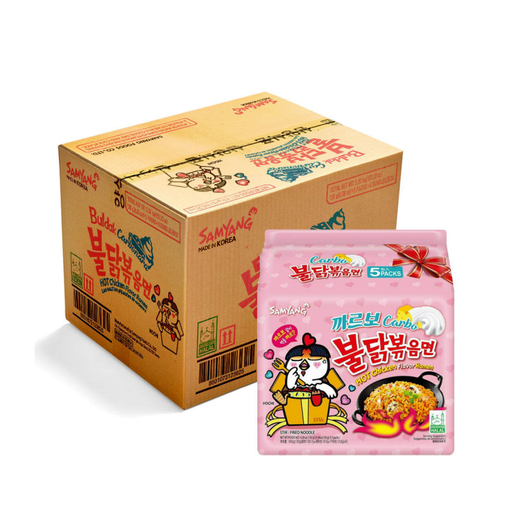
Why it suits this type of shopper: According to the product description, this Korean ramen combines a creamy carbonara flavour with a spicy, chicken-style sauce. The large box is a good fit for fans who eat Samyang Buldak regularly.
The product information gives a specific preparation method: use 550 ml of water, drain the noodles and briefly stir-fry them. So you’ll know in advance that these aren’t ordinary soup noodles.
40 packs of 130 grams; creamy carbonara powder; firm noodles and a distinctly spicy flavour profile.
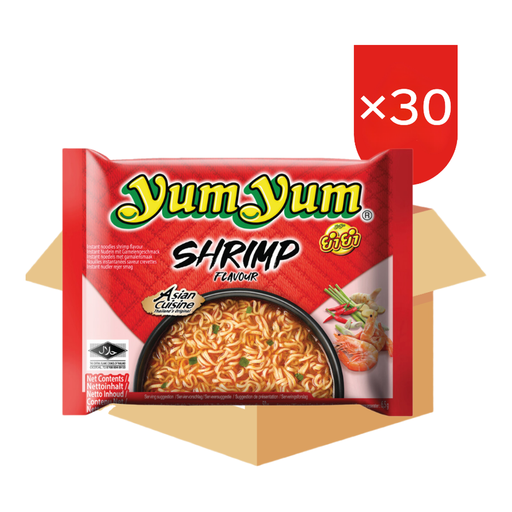
Why it suits this type of shopper: These Thai prawn noodles are a good choice if you need plenty of portions for lunches, snack breaks or a shared cupboard.
The box contains 30 clearly defined 60-gram portions. The packaging also states that the seasoning sachets must not be microwaved.
30 packs; prawn flavour; suitable for preparation with boiling water. Contains wheat, soya and crustaceans, among other ingredients.
We’ve put together a complete, up-to-date list of products that meet these strict selection criteria and the applicable European safety requirements.
Follow the instructions on the packaging. For soup noodles, you’ll usually add boiling water and leave them to stand for a few minutes. Other ramen noodles need to be boiled in a pan and then mixed with sauce. Don’t assume that every brand needs the same amount of water.
Check the best-before date on the individual pack or box. Store instant noodles in a cool, dry place away from direct sunlight. Don’t use packaging that’s damaged or has become damp. If you buy a multipack, it’s a good idea to use the oldest packs first.
It depends on the portion size and your usual eating habits. Many products consist mainly of noodles, oil and seasoning. You can add ingredients such as egg, tofu, vegetables or chicken, as long as they suit your dietary choices and you’ve checked the allergens. Always check the label on the specific product first.
