
当日/次日达

品质保障

开启新人专享福利: 全场免邮 | 低至 2 折 | 免费试用 30 天 JoyPlus 会员
下载 Joybuy
A non-stick frying pan may seem simple to choose at first glance. However, many disappointing purchases are caused by a coating that wears out quickly, a pan that is not suitable for induction or a size that does not match your everyday portions. Terms such as “titanium”, “granite” and “ceramic” also say very little about how long a pan will last on their own.
For UK households, three things are particularly important: compatibility with your hob, a suitable diameter, and clear information about the coating and care requirements. Below, we set out the key points in a practical way.
A pan may be suitable for gas, electric and ceramic hobs, but not for induction. This applies, for example, to some aluminium pans without a magnetic base. According to the product information, the 28 and 32 cm Tefal Easy Cook & Clean models are suitable for gas, electric, ceramic and glass-ceramic hobs, but not for induction.
Always check the “suitable heat sources” specification. If it only says “electric” or “gas”, the pan is not automatically suitable for an induction hob. An induction frying pan needs a suitable magnetic base or an integrated induction disc.
A ceramic coating, titanium layer or stone-effect finish can make cooking and cleaning easier. However, the lifespan also depends on temperature, utensils and cleaning methods. A non-stick frying pan will generally remain usable for longer if you:
“Extra scratch-resistant” and “durable” are product claims. Assess such terms alongside verifiable information, such as the material, number of layers, warranty and care instructions.
The diameter is measured at the top edge and does not show exactly how much cooking surface you have at the base. A 20 cm pan is useful for an egg, omelette or small portion. For two to three people, 24 cm is often more practical. A pan measuring 28 cm or more provides room for several portions, but may be heavier and more difficult to store.
Also consider the height. A deep pan with a lid can be suitable not only for frying, but also for braising, simmering and stir-frying. This makes a sauté pan with a lid a useful alternative to a standard frying pan.
An aluminium frying pan is often lightweight and heats up quickly. This makes aluminium suitable for everyday use, although heat distribution depends on the thickness and construction of the base. A cast or forged aluminium body may feel sturdier than very thin sheet material.
Ceramic usually refers to the coating, rather than the complete pan body. A ceramic frying pan often has an aluminium core with a ceramic non-stick coating. According to the product information, the Brabantia Onyx pans feature a PFAS-free ceramic coating and a body made from 100% recycled aluminium. These are the manufacturer’s product specifications; always check the current packaging and product page when buying.
If you are looking for a PFAS-free frying pan, pay attention to the precise wording. “PFOA-free” does not automatically mean that the entire PFAS group is excluded. Some product pages list PFOA, PTFE or PFAS separately.
According to the product description, the USELUCK Lebof set features a PFAS-, PFOA- and PTFE-free Ti-Ceramic coating. According to their product information, the Brabantia Onyx and Nocta models feature a PFAS-free ceramic coating. Use this information as a point of comparison, but do not treat brand claims as independent evidence of performance or lifespan.
A frying pan suitable for all hobs sounds convenient, but also check whether the pan is oven-safe. According to the product description, the USELUCK Lebof set and the USELUCK 10.5 Inch Ceramic Pan are not oven-safe. According to the specifications, the Tefal Easy Chef with lid is suitable for all hobs and oven-safe up to 175 °C.
“Dishwasher-safe frying pan” also requires some nuance. According to the product information, the Brabantia Onyx models are dishwasher-safe, but hand washing is recommended to help preserve the coating for longer. The USELUCK 10.5 Inch Pan and various PURECOOK models are not suitable for the dishwasher.
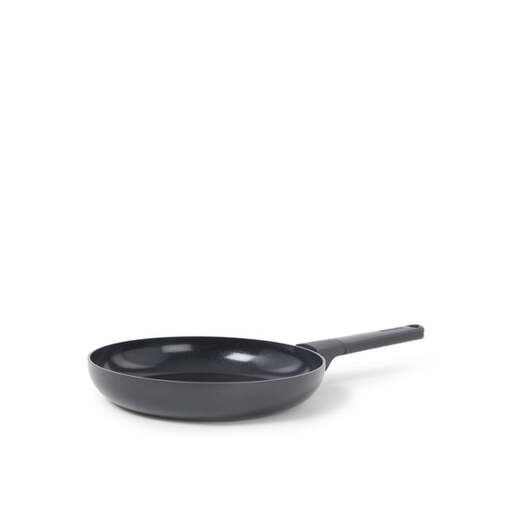
Why it suits this profile: The 24 cm diameter is suitable for everyday portions and, according to the product information, the pan can be used on gas, electric, ceramic and induction hobs.
The product information states that it has a PFAS-free ceramic coating and is dishwasher-safe. However, check the current care instructions.
24 cm, aluminium pan body, PFAS-free ceramic coating and induction compatibility.
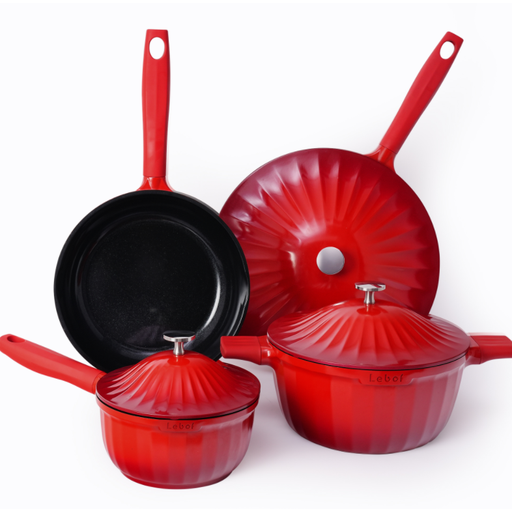
Why it suits this profile: A cookware set offers several sizes for families and home cooks who prepare sauces and stews as well as fried dishes.
The set states that it is compatible with all hobs, including induction, and provides the capacity and dimensions for each item.
Two frying pans, two saucepans and a lidded casserole; according to the product information, a PFAS-, PFOA- and PTFE-free Ti-Ceramic coating.
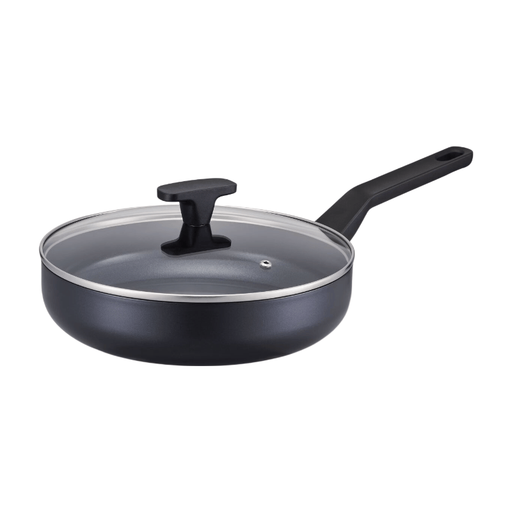
Why it suits this profile: The taller shape and lid are well suited to one-pan dishes, simmering, braising and cooking for several people.
The product information lists all common heat sources, including induction, as well as a glass lid. According to the same information, the pan is dishwasher-safe.
26 cm, recycled aluminium, PFAS-free ceramic double non-stick coating and glass lid.
We have put together a complete, up-to-date list of products that fully meet these strict selection criteria and the applicable European safety regulations.
A non-stick coating requires little maintenance, but not no maintenance. Heat the pan gradually over a medium setting and use enough fat as specified in the recipe. Do not subject a hot pan to cold water immediately. If it has a wooden handle, as with some PURECOOK models, hand washing is essential. Before buying, also check whether a lid, removable handle or extra spatula is included.
Stop using a pan when the coating is visibly peeling or damaged. Also follow the manufacturer’s warnings regarding oven use, maximum temperature and dishwasher use.
For one person or small ingredients, 20 cm is practical. A 24 cm pan is suitable for many everyday dishes. For families or larger portions, 28 to 32 cm is usually the better choice. Consider the diameter of your cooking zone, the weight and the amount of cupboard space available.
No. “Ceramic” usually describes the type of coating, while “PFAS-free” is a separate product claim. Look for an explicit statement that the pan is PFAS-free on the product page or packaging. Also check which other substances the manufacturer lists separately.
Yes. Dishwasher-safe means that, according to the product information, the pan can be placed in the dishwasher. However, hand washing with a soft sponge and mild washing-up liquid can help keep the coating and handle in good condition for longer. Always follow the care instructions for the specific model.
