
Vandaag of morgen in huis

Kwaliteit gegarandeerd

Welkomstaanbiedingen ontgrendelen: GRATIS bezorging | Tot 80% korting | Gratis 30 dagen JoyPlus-proefperiode
Download de app
Non-alcoholic drinks are no longer limited to soft drinks. The range includes alcohol-free beer, 0.0 beer, alcohol-free wine, spritzes, aperitifs and ready-to-drink alcohol-free cocktails. That makes choosing easier, but also increases the chance of ending up with something you don’t like.
A smart-looking bottle doesn’t always tell you much about the taste, alcohol content or nutritional value. If you’re looking for a drink for a barbecue, dinner, party or as the designated driver, it’s worth checking the label and pack size first.
Not every product labelled alcohol-free has exactly the same composition. So check the stated alcohol content. Products such as Hertog Jan 0.0 and Pierre Zéro drinks state 0.0% vol. Jopen Non IPA, on the other hand, states an alcohol content of 0.3%, so it falls into a different category.
That difference matters if you’re looking specifically for a product with 0.0% vol. Always check the current packaging too, as product specifications can change.
Terms such as “fresh”, “full-bodied” or “classic” are subjective. An alcohol-free red wine may taste fruitier and lighter than a traditional red wine. An alcohol-free spritz, meanwhile, may put more emphasis on bitterness, citrus or herbs.
Use the taste description as a first indication, but also check the ingredients, sugar content and serving suggestions. For example, Pierre Zéro Spritz contains 6.5 grams of carbohydrates and 6.5 grams of sugar per stated serving, while Pierre Zéro Sparkling Rosé lists 4.5 grams of carbohydrates and 4.5 grams of sugar.
A 200 ml bottle is handy for one person or a celebratory toast, but less practical when you’re serving several guests. For drinks with family or friends, a multipack such as Crodino Biondo 6 x 175 ml may be a better fit.
Also check how to store the product once it’s open. Many products should be tightly sealed and kept cool or out of direct sunlight. Always check the label for shelf life and storage instructions.
First, decide what you’re looking for:
Then check whether the product states 0.0% vol or has a low alcohol content. This helps avoid confusion when ordering.
Don’t just look at the front of the packaging. Alcohol-free beer, for example, may contain gluten and barley. Hertog Jan lists water, malted barley, maize, hops, sugar and natural flavourings as ingredients. Texels Skuumkoppe 0.0 lists malted barley and malted wheat, among other ingredients.
For alcohol-free wine, sulphites are worth checking. Pierre Zéro Merlot and Pierre Zéro Chardonnay list sulphur dioxide and sulphites as allergens. If you’re looking for a vegan alcohol-free drink, also check whether the product is explicitly labelled “vegan”. According to the product information, Pierre Zéro Sparkling Rosé is described as vegan-friendly.
Alcohol-free doesn’t automatically mean sugar-free or low-calorie. So compare the nutritional values per 100 ml or per serving. Here are a few examples from the product information:
A small 200 ml bottle can be useful for keeping track of portions, while a 750 ml bottle is better suited to dinner with several people.
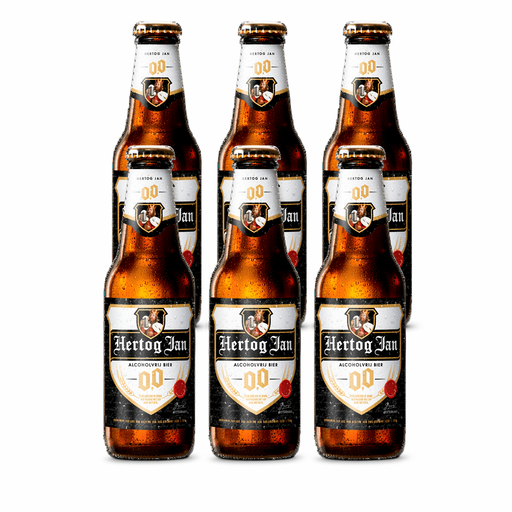
Why it suits this profile: A familiar multipack with 0.0% vol, ideal for trying alcohol-free beer for the first time with a meal or when enjoying drinks with friends.
The alcohol content and ingredients are clearly listed. Please note: this product contains gluten and barley.
0.0% vol, a pack of 6 x 300 ml bottles and a lager style for everyday occasions.
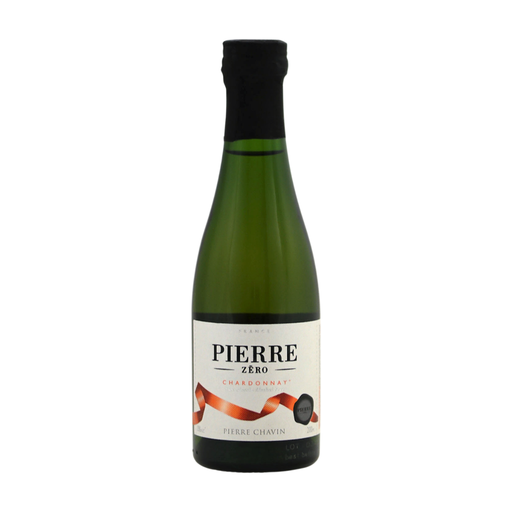
Why it suits this profile: A small bottle with fruity and floral tasting notes, ideal as an aperitif or with a light meal.
The product information states 0.0% vol, 19 kcal and 4.3 grams of sugar per stated nutritional value; sulphites are listed as an allergen.
0.2 litres per bottle, 0.0% vol and a clear pairing suggestion with salads, fish and chicken.
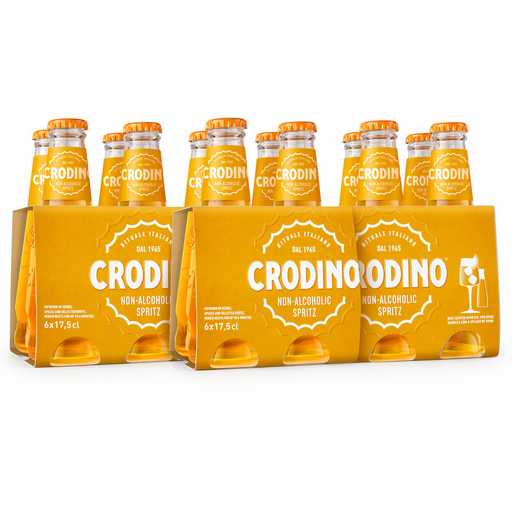
Why it suits this profile: The bulk pack is handy for parties, dinners and multiple rounds, served over ice with a slice of orange.
The pack size is clear upfront: 3 packs of 6 x 175 ml bottles. That makes it easy to buy the right amount for a group.
A sparkling drink with herbs and fruit extracts, with none of the 14 major EU allergens according to the product information.
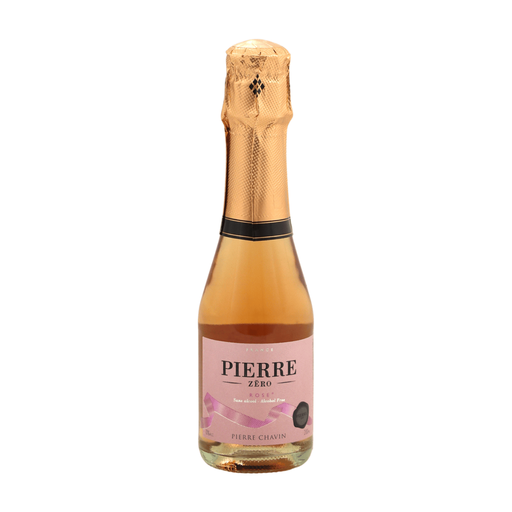
Why it suits this profile: The fine bubbles and single-serve size are ideal for a toast, barbecue or celebratory dinner.
The product page states 0.0% vol, 18 kcal and 4.5 grams of sugar. The product is also described as vegan-friendly.
0.2 litres, 0.0% vol, sparkling and, according to the product information, free from the 14 major EU allergens.
We’ve put together a full, up-to-date list of products that meet these strict selection criteria and comply with current European safety regulations.
No. Check the alcohol content on the packaging. Some products state 0.0% vol, while other low-alcohol beers contain, for example, 0.3%. Jopen Non IPA is one example. If you’re looking specifically for 0.0, check for that exact wording.
It depends on the dish. According to the product information, alcohol-free white wine goes well with salads, fish and chicken. Alcohol-free rosé is a good match for light dishes and barbecues. Alcohol-free red wine, such as Pierre Zéro Merlot, can be paired with grilled vegetables, meat or cheese. Alcohol-free spritz is best served as an aperitif.
Store unopened bottles according to the instructions on the label, usually in a cool place and out of direct sunlight. Seal an opened bottle or small bottle tightly and follow the instructions for use after opening. Also check the best-before information on the packaging, as this can vary from one product to another.
