
Vandaag of morgen in huis

Kwaliteit gegarandeerd

Welkomstaanbiedingen ontgrendelen: GRATIS bezorging | Tot 80% korting | Gratis 30 dagen JoyPlus-proefperiode
Download de app
Choosing a non-alcoholic drink is no longer a compromise. Whether you're the designated driver, pursuing a healthier lifestyle, or simply fancy something delicious without the alcohol, the shelves are overflowing with options. But this abundance can make choosing difficult. Many non-alcoholic drinks promise the world but deliver a watery or sickly-sweet disappointment.
As a Joybuy Product Recommendation Officer, I'm here to help you see through the marketing hype. We'll focus on what really matters, so you can make a choice you won't regret. Let's avoid the most common pitfalls.
Before you fill your basket, it's wise to know where things often go wrong. Many consumers fall into the same traps.
To sidestep these traps, you don't need to be a label expert. Just pay attention to the following three points, and you'll make a much better choice.
The way the alcohol is removed or avoided is crucial for the final taste.
Look beyond the front of the bottle. The nutritional information on the back tells the real story.
Not every non-alcoholic drink suits every moment. Think about what you'll be using it for.
Based on these criteria, we've selected a few popular choices that cater to different preferences.
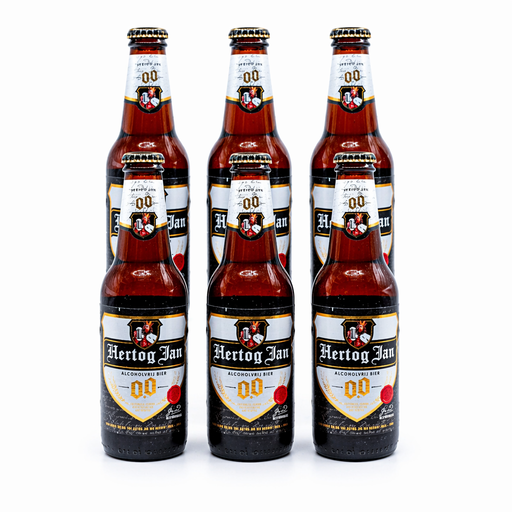
Why This Fits Their Persona: For those seeking the familiar, full-bodied taste of a Dutch pilsner. Ideal for a barbecue, a party, or just relaxing on the sofa. Not an experiment, but a reliable choice.
Avoids the "flavourless trap." According to Hertog Jan, the alcohol is removed only in the final stage of the brewing process, which preserves the authentic pilsner taste.
Full-bodied, slightly bitter taste that stays close to the original. Brewed with the signature Hertog Jan yeast for a recognisable character.
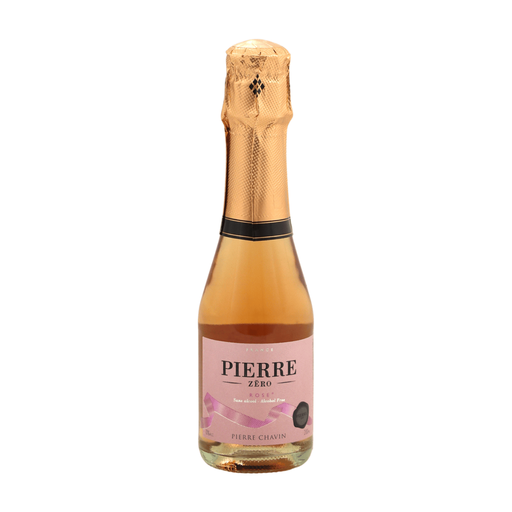
Why This Fits Their Persona: Perfect for those seeking a festive and elegant alternative. This non-alcoholic bubbly is ideal for a toast, an aperitif, or a chic brunch.
Prevents the "almost-but-not-quite" experience. This is a de-alcoholised wine, which provides more complexity and depth than a simple coloured soft drink.
Elegant, fruity taste with fine, persistent bubbles. Low in calories and vegan-friendly. Convenient single-serving size.
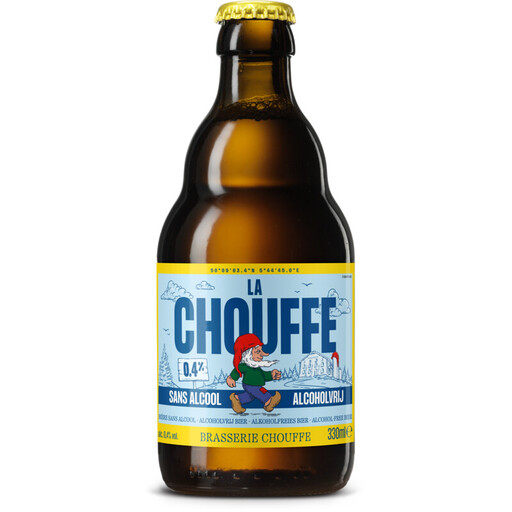
Why This Fits Their Persona: For the drinker who wants more than a standard pilsner. This non-alcoholic craft beer offers the spicy and fruity notes you'd expect from a Belgian blonde ale.
This beer sidesteps the "flavourless trap" by offering a complex flavour profile. The signature spiciness and mild bitterness give it character, something often missing in 0.0 beers.
Refreshing, spicy, and mildly bitter. Delivers the experience of a Belgian craft beer without the alcohol (technically 0.4%, which is considered alcohol-free).
We've curated a complete, up-to-date list of products that meet our strict selection criteria.
According to many regulations, a drink can be called "alcohol-free" if it contains a maximum of 0.1% alcohol. The 0.0 designation means no alcohol could be detected using standard measurement techniques. "Low-alcohol" is the term for drinks with an alcohol content between 0.1% and 1.2%. Pay attention to this if you must strictly avoid alcohol for medical or religious reasons.
Manufacturers use various techniques. Some halt the fermentation process early, which can result in a sweeter, less complex taste. Others, as with many of the examples mentioned, first brew a full-strength beer and then remove the alcohol. This latter method, de-alcoholisation, often results in a drink that better retains the original flavour.
Not necessarily. While they don't have the downsides of alcohol, they can fall into the "sugar bomb" pitfall. A non-alcoholic cocktail or fruit beer can contain a lot of sugar. Making a conscious choice, therefore, also means checking the label for sugar content. A sugar-free non-alcoholic drink like a 0.0 pilsner or a sugar-free mocktail is a very different choice from a sweet radler.
