
Vandaag of morgen in huis

Kwaliteit gegarandeerd

Welkomstaanbiedingen ontgrendelen: GRATIS bezorging | Tot 80% korting | Gratis 30 dagen JoyPlus-proefperiode
Download de app
The demand for non-alcoholic drinks is higher than ever. Whether you're embracing a mindful lifestyle, hosting a party, or simply craving something different, the selection is vast. But this abundance also comes with pitfalls. Many non-alcoholic beverages disappoint: they're overly sweet, lack depth, or taste watery. Before you invest in a bottle that ends up down the drain, it's wise to know what to look for.
We'll cover the two most common mistakes:
Making a great choice is simpler when you know which specifications matter. Pay attention to the following three points to avoid disappointment.
The terms "alcohol-free" and "0.0" are often used interchangeably, but they don't always mean the same thing.
The way a non-alcoholic drink is made has a major impact on its taste. This is especially noticeable in non-alcoholic wine and non-alcoholic beer. There are broadly two methods:
Always check the nutritional information on the label, specifically the sugar content. A quality non-alcoholic drink is well-balanced and doesn't rely solely on sugar for its flavour. Ingredients like herbs, spices, or high-quality fruit extracts can indicate a more thoughtfully crafted product. This is particularly relevant if you're looking for a base for a mocktail that won't be overly sweet.
Based on product features and various occasions, we have highlighted a few popular choices.
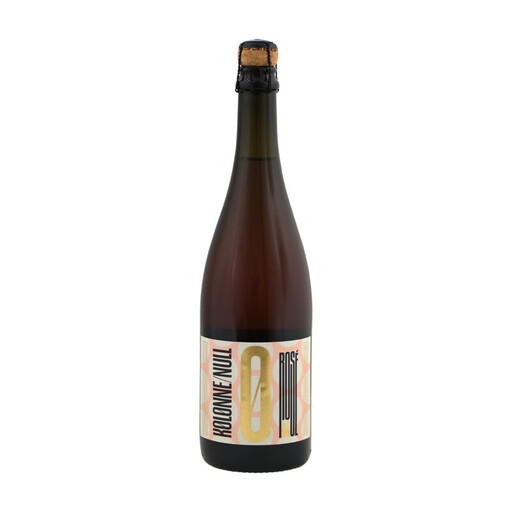
Why This Fits Their Persona: Ideal for those who want to raise a toast without alcohol. This alcohol-free sparkling rosé offers a festive and sophisticated drinking experience that's perfect for social gatherings, dinners, or celebrations. It has the look and feel of a traditional sparkling wine.
This is a de-alcoholised wine, which means its base is a real wine. This helps prevent the 'flavour void' and provides more depth than a simple sweet drink.
Delivers the experience of non-alcoholic bubbles with a refined, fruity taste. A worthy alternative for celebratory moments.
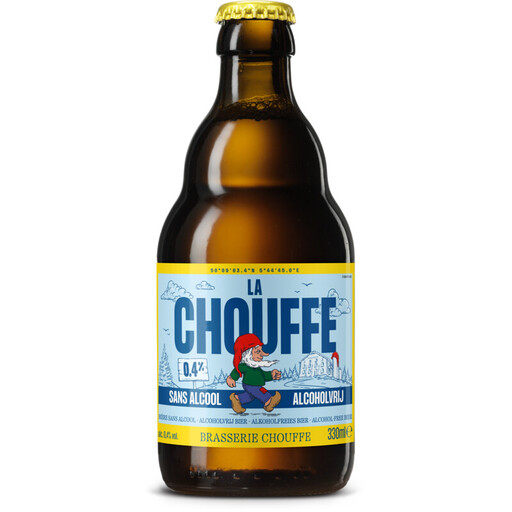
Why This Fits Their Persona: For the lover of Belgian specialty beer who refuses to compromise on taste. This non-alcoholic beer (technically 0.4%) retains the character of the original, making it a reliable choice for those seeking the typical Chouffe flavour.
Many 0.0 beers are watery or overly malty. According to the brewer, this version is thirst-quenching, refreshing, spicy, and mildly bitter, thus avoiding the pitfall of a flat taste.
The recognisable taste of a famous beer brand. The low alcohol content of 0.4% provides a fuller body than many 0.0% alternatives.
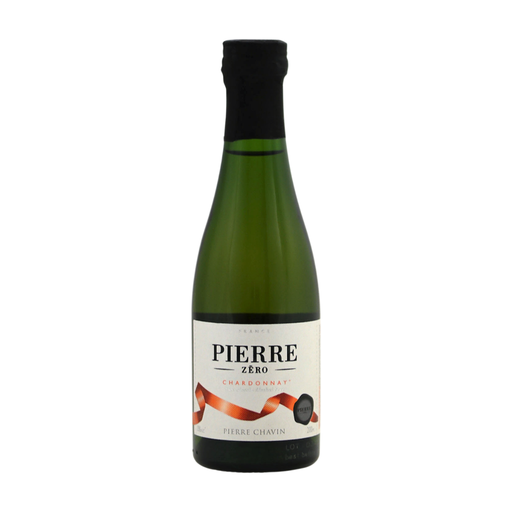
Why This Fits Their Persona: Perfect for someone who fancies a single, good glass of non-alcoholic wine without opening a full bottle. The 200 ml format is practical for a weeknight or when you're drinking alone. The choice of the Chardonnay grape offers a specific, recognisable flavour.
By focusing on the fruity characteristics of the Chardonnay grape, this product avoids the sugar trap. According to the producer, the alcohol was removed using an advanced technique, which benefits the flavour.
Convenient single-serving size prevents waste. Guaranteed 0.0% alcohol and a clear flavour profile with notes of tropical fruit, peach, and flowers.
We have compiled a complete, up-to-date list of products that meet these selection criteria and comply with Dutch regulations.
In the Netherlands, a drink can be labelled 'alcohol-free' if it contains a maximum of 0.5% alcohol. '0.0' guarantees that there is no measurable alcohol in the product. This distinction is especially important for people who want or need to avoid alcohol completely.
Producers of high-quality non-alcoholic wine often use advanced techniques to remove the alcohol after the wine has been fully made. Methods like vacuum distillation or spinning cone technology extract the alcohol at a low temperature, which helps to better preserve the delicate aromas and flavours of the original wine.
Non-alcoholic drinks contain no alcohol, which has benefits such as avoiding a hangover and the long-term negative effects of alcohol. They also typically contain fewer calories than their alcoholic counterparts. However, it is wise to check the label for sugar content. Some varieties can contain a lot of added sugars, making them less suitable if you are watching your sugar intake.
