
Vandaag of morgen in huis

Kwaliteit gegarandeerd

Welkomstaanbiedingen ontgrendelen: GRATIS bezorging | Tot 80% korting | Gratis 30 dagen JoyPlus-proefperiode
Download de app
The choice for non-alcoholic drinks is no longer limited to a lukewarm soda at a birthday party. Whether you're the designated driver, participating in Dry January, or simply want to live more consciously, the shelf of nolo drinks (no and low alcohol) has grown exponentially. But with that growth come the pitfalls: drinks that contain more sugar than flavour, or a non-alcoholic wine that tastes like expensive grape juice.
As a Product Recommendation Officer at Joybuy, I'll help you cut through the marketing jargon. Below, we discuss the most common mistakes and what to look for, so you can make a choice you'll genuinely enjoy.
Before you fill your shopping basket, it's wise to be aware of a few common disappointments.
To sidestep the pitfalls, there are a few specifications you should always check.
The terms "alcohol-free" and "low-alcohol" are often used interchangeably, but there's an important difference.
Ignore the slogans on the front and turn the bottle around. Pay specific attention to the amount of sugars per 100 ml. A drink can be "natural" or "fruity," but if it contains 10 grams of sugar per 100 ml, you're essentially drinking a soda. A good alcohol-free gin and tonic or a dry non-alcoholic rosé often contains significantly less sugar.
The production method has a huge impact on the taste.
To get you started, we've highlighted a few popular choices that suit different moments and preferences.
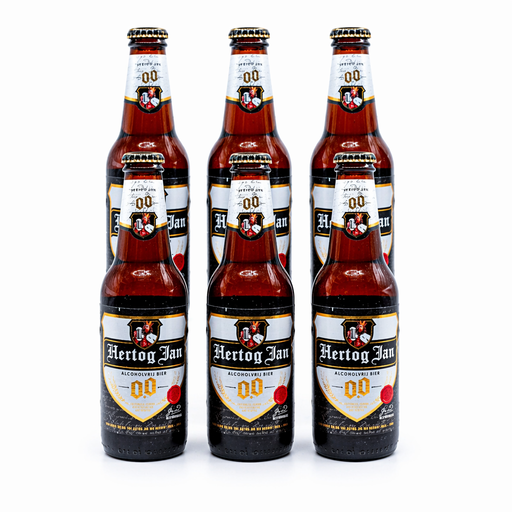
Why This Fits Their Persona: For those who want the familiar taste of a good pilsner at a party or after work, without the alcohol. This is a recognisable choice that appeals to a wide audience.
Tackles the "tastes just like the real thing" pitfall. According to Hertog Jan, the alcohol is removed at the very end, which helps retain the characteristic pilsner flavour.
Full, refreshing pilsner flavour with a slightly bitter finish. Guaranteed 0.0% alcohol.
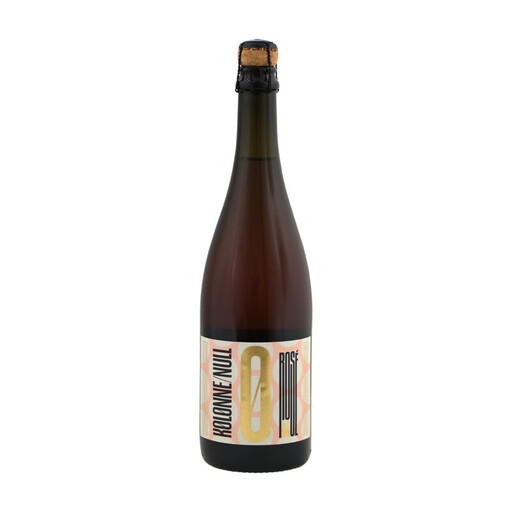
Why This Fits Their Persona: Perfect for those who have something to celebrate and want to toast with an elegant glass of non-alcoholic bubbly. A sophisticated alternative to an alcoholic rosé prosecco or champagne.
This is not just sweet, fizzy grape juice. It's a de-alcoholised wine that retains its crisp and fruity character, thus avoiding the pitfall of a flat taste.
Crisp, fruity flavour. Ideal as an aperitif or for festive occasions. A stylish bottle that looks great on any table.
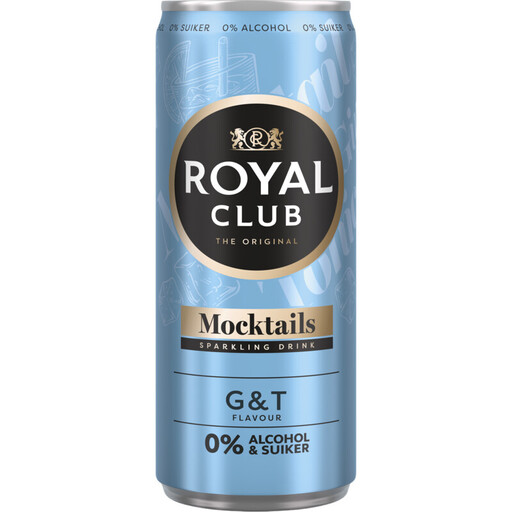
Why This Fits Their Persona: For anyone who fancies an alcohol-free cocktail but doesn't have the time or inclination to fuss with shakers and various ingredients. Straight from the can into a glass with ice, and you're all set.
This is the perfect solution to the "hidden sugar bomb" pitfall. This alcohol-free gin and tonic is completely sugar-free and contains only 1 kcal per 100 ml.
Convenient and quick, sugar-free, and has the recognisable bitter taste of quinine you expect from a G&T.
We have compiled a complete, up-to-date list of products that meet these selection criteria and comply with UK & EU regulations.
A drink without alcohol labelled 0.0% is guaranteed to contain no residual alcohol. Products labelled as "low-alcohol" (or sometimes "alcohol-free" by law) can contain up to 0.5% alcohol. This is a minimal percentage, but it can be relevant for those who must or wish to consume strictly no alcohol.
Not necessarily. Although you avoid the negative effects of alcohol, some non-alcoholic alternatives can contain a lot of sugar and calories to compensate for taste. It's always wise to check the nutritional label if you want to make a health-conscious choice.
The most popular technique is vacuum distillation. This process "boils" the alcohol out of the wine or beer at a low temperature. Because this happens under a vacuum, the temperature required is much lower than normal, which helps to better preserve the delicate aromas and flavours that would otherwise evaporate.
