
Vandaag of morgen in huis

Kwaliteit gegarandeerd

Welkomstaanbiedingen ontgrendelen: GRATIS bezorging | Tot 80% korting | Gratis 30 dagen JoyPlus-proefperiode
Download de app
The demand for non-alcoholic drinks is more popular than ever. Whether you're participating in Dry January, aiming for a more conscious lifestyle, or simply looking for a flavourful alternative for social drinks, the selection is vast. But this wide array also has a downside: not every bottle lives up to its promise. Before you invest in a festive drink that ends in disappointment, it's wise to know what to look for.
Many non-alcoholic drinkers fall into a few common pitfalls:
You don't need to be a label expert to make a good choice. By focusing on a few key points, you can easily separate the wheat from the chaff.
This is the most important distinction. Products labelled 0.0% are completely free of alcohol. Drinks with the designation alcohol-free (or low-alcohol) can contain a small percentage of alcohol, typically up to 0.5%. This is a residual amount left over after the de-alcoholisation process. For most people, this isn't an issue, but if you are pregnant, taking medication, or avoiding alcohol for personal reasons, it's best to specifically choose 0.0%.
A high-quality non-alcoholic alternative often starts with an alcoholic base. For instance, non-alcoholic wine is usually made from real wine from which the alcohol has been carefully removed. This process, often using vacuum distillation, preserves more of the original flavour and complexity than simply mixing grape juice with bubbles. The same applies to 0.0 beer. A beer that is first fully brewed and then de-alcoholised typically has a richer flavour than a drink developed from the start as a malt soda.
A quick glance at the nutritional information is well worth your time. Compare the sugar content per 100 ml. A lower sugar content often indicates that the manufacturer relies on the quality of the base ingredients for flavour, rather than masking it with sweeteners. This is especially relevant for non-alcoholic cocktails and fruity drinks.
To help you get started, we've highlighted some popular choices that suit different preferences and occasions.
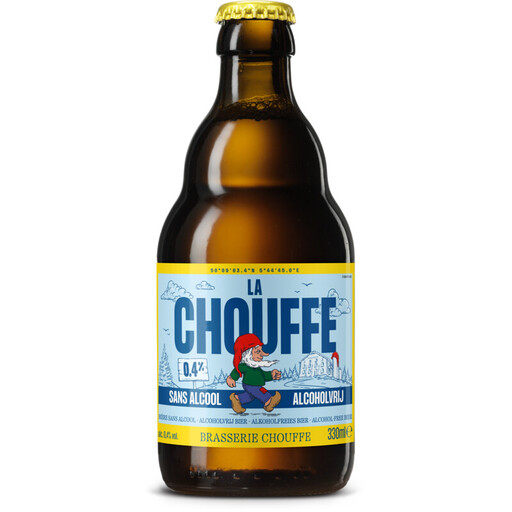
Why This Fits Their Persona: Perfect for those who appreciate the complex, spicy flavour of a Belgian craft beer but want to skip the alcohol. Ideal for a barbecue or with a snack platter.
This beer retains its characteristic spicy and slightly bitter taste, preventing it from falling into the 'watery' trap. At 23 kcal per 100 ml, it's not a sugar bomb either.
Offers the authentic taste experience of a well-known craft beer. Contains 0.4% alcohol, a good example of a 'low-alcohol' beer.
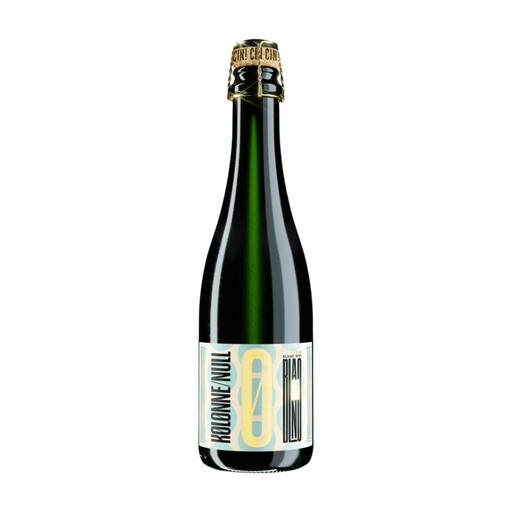
Why This Fits Their Persona: For those celebrating a birthday, anniversary, or another milestone and want to toast with stylish, alcohol-free bubbles that approximate the experience of real sparkling wine.
Kolonne Null is a brand that specialises in de-alcoholising quality wines. This avoids the 'sweet juice' trap and delivers a drier, more complex flavour profile.
Made from de-alcoholised wine, which ensures a sophisticated flavour. The brand is known for its focus on quality and collaboration with winemakers.
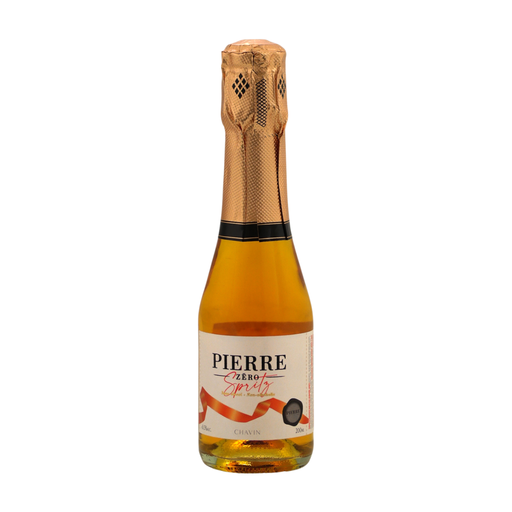
Why This Fits Their Persona: For those who enjoy a bittersweet non-alcoholic aperitif to start the evening. This ready-to-drink spritz offers convenience without compromising on the signature taste.
This drink mimics the complex, bitter notes of a real spritz, rather than a simple sweet orange flavour. It is explicitly 0.0% and the nutritional values are clearly stated.
A convenient, ready-to-drink option for a popular non-alcoholic cocktail. The balance between sweet and bitter is well-tuned for a mature taste.
There is much to discover, especially in the world of non-alcoholic wine. We have compiled a complete, up-to-date list of products that meet these selection criteria.
Legislation in the EU makes a clear distinction. A product can be called alcohol-free if it contains a maximum of 0.5% alcohol. A product with a 0.0% label must be genuinely and completely free of alcohol. This small difference is important for people who strictly avoid alcohol for medical, religious, or other personal reasons.
Most high-quality non-alcoholic wines are made from regular wine. The alcohol is removed afterwards. A common technique is vacuum distillation, where the wine is heated under low pressure. This causes the alcohol to evaporate at a low temperature (around 28-30°C), which helps to better preserve the delicate aromas and flavours of the wine.
Not necessarily. Although they avoid the negative effects of alcohol, they can contain a lot of sugar and calories. A non-alcoholic drink is not automatically a healthy choice. It is always wise to check the label for the sugar content and the number of calories, especially if you are drinking it as a healthier alternative.
