
Vandaag of morgen in huis

Kwaliteit gegarandeerd

Welkomstaanbiedingen ontgrendelen: GRATIS bezorging | Tot 80% korting | Gratis 30 dagen JoyPlus-proefperiode
Download de app
A pair of wireless Bluetooth headphones with noise cancelling may seem like an easy choice on paper. However, impressive figures and marketing terms can give a misleading impression. For example, a high dB rating does not automatically mean that every sound will disappear. Nor does a long battery life tell you much if the stated number of hours only applies when active noise cancellation is switched off.
For music, travelling, working, studying and making calls, three things are particularly important: the type of headphones, how ANC works and the practical battery life. These checks will help you avoid paying for features that do not suit your everyday use.
Brands sometimes state a figure such as -44 or -45 dB. This is a product specification measured under certain conditions, not a guarantee that all surrounding sounds will be reduced by the same amount. Low-frequency rumbles from a train or aeroplane are generally processed differently from voices, keyboards or sudden noises.
So also check whether the model uses hybrid active noise cancellation, whether it offers several ANC modes and whether a transparency mode is available. These features are often more useful than simply having a high number on the packaging.
Headphones with a long battery life may, for example, offer 50, 55 or 80 hours of playback when ANC is switched off. With active noise cancellation enabled, the operating time is often shorter. According to the product information, the Baseus EH10 NC offers up to 80 hours without ANC and 55 hours with ANC. The Sony WH-1000XM5 offers up to 40 hours without ANC and 30 hours with ANC.
Always check both figures. Also look at fast charging, the charging port and whether you can use the headphones while they are charging.
Over-ear headphones surround the ear and can therefore provide some passive isolation as well. This can be useful when travelling or working with concentration, although larger earcups may become warm. An on-ear model is lighter and more compact, but lets in more surrounding sound and may create pressure during extended use.
Open-ear and bone-conduction models are designed for a different purpose. They leave the ears largely unobstructed and therefore cannot be compared directly with closed-back ANC headphones. Also check carefully what level of water resistance is actually stated.
With active noise cancellation, also known as ANC, microphones pick up sound around the user. The headphones then produce an opposing signal. The result depends on the fit, the ear cushions, the surroundings and the selected mode.
Pay attention to these points:
According to Baseus's own product information, the EH10 NC uses four ANC layers and five microphones. These are verifiable design features; the actual experience may vary depending on the surroundings.
For commuting, an operating time of 30 to 40 hours is often practical. If you travel frequently or do not want to charge your headphones every day, you may prefer models with a higher stated capacity. Fast charging is particularly useful when you have little time before leaving.
Also check:
Hi-Res Audio headphones may support additional codecs and a wider frequency range, but the source, device and streaming service you use must support them too. LDAC, for example, is only relevant when both the headphones and the playback source support it.
Comfortable headphones should be adjustable and provide enough room around your ears. Consider the weight, the pressure from the headband and whether the earcups can swivel or fold. For headphones used for music and calls, the microphones and voice processing are also important.
Avoid claims such as “crystal clear in every situation” when no measurement method is provided. Instead, look at the number of microphones, whether call noise cancellation is included and what user settings are available in an app.
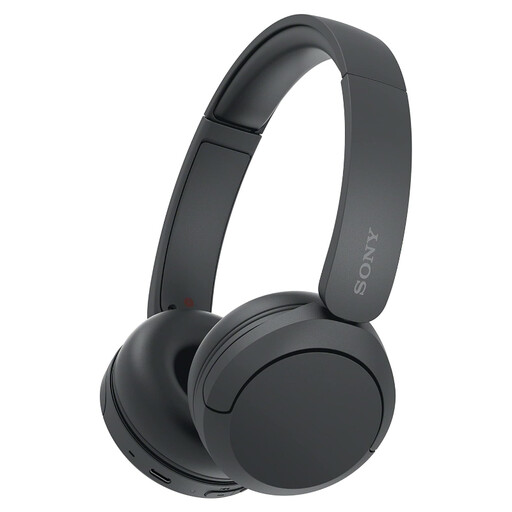
Why it suits this profile: Lightweight on-ear headphones for everyday listening, working from home and phone calls. The product information states that they offer multipoint connectivity and weigh 147 grams.
The specifications are clear: Bluetooth, microphone and multipoint connectivity. However, bear in mind that these are not active ANC headphones.
147 grams, USB-C, multipoint connectivity and up to 50 hours of battery life according to the product description.
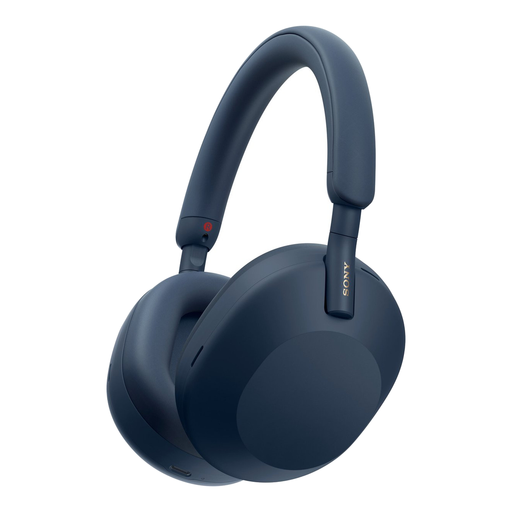
Why it suits this profile: Over-ear headphones for music, travelling and work, with active noise cancellation, multipoint connectivity and LDAC support according to the product specifications.
Battery life is stated separately for ANC on and off: up to 30 and 40 hours. This makes it easier to estimate everyday use realistically.
ANC, LDAC, multipoint connectivity, detachable cable and USB-C. The stated weight is 250 grams.
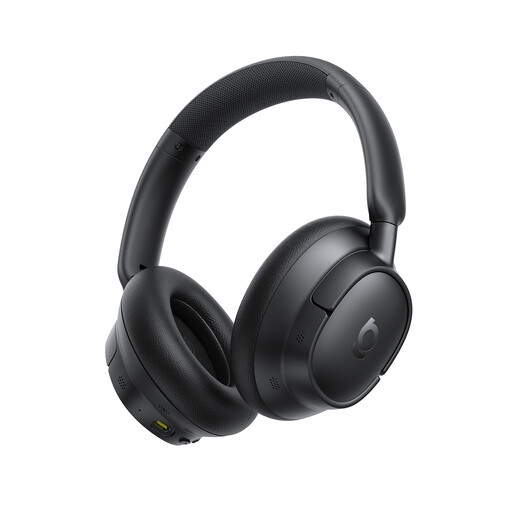
Why it suits this profile: Designed for long listening sessions, travelling and online meetings. According to the product description, these over-ear headphones combine ANC, Hi-Res Audio, LDAC and five microphones.
Battery life is broken down by ANC use, and the ANC level is adjustable according to the product information. Check the product page to see which settings are available for your device.
Up to 80 hours without ANC, up to 55 hours with ANC, LDAC, Hi-Res Audio and fast charging according to the stated product specifications.
We have put together a complete, up-to-date list of products that fully meet these strict selection criteria and the applicable European safety regulations.
Bluetooth headphones usually work with phones, tablets and laptops that support Bluetooth audio. However, features such as LDAC, multipoint connectivity or a companion app may vary between operating systems and devices. Therefore, check the model's compatibility information.
This varies by model and settings. The stated operating time is often higher when ANC is switched off. Always check the separate figures for ANC on and off. Volume, codec, calls and temperature can also affect battery life.
Yes. ANC uses microphones and electronics, so it generally reduces battery life. A transparency mode and frequent phone calls can also have an impact. Fast charging can partly offset this practical drawback when you have little time to recharge.
