
Vandaag of morgen in huis

Kwaliteit gegarandeerd

Welkomstaanbiedingen ontgrendelen: GRATIS bezorging | Tot 80% korting | Gratis 30 dagen JoyPlus-proefperiode
Download de app
By the Joybuy Product Recommendation Officer
The train is crowded, the office is noisy, and you're trying to focus on a podcast or an important phone call. Sound familiar? In these situations, good noise-cancelling wireless earbuds are not a luxury, but a necessity. They create an oasis of calm, wherever you are. But the market is vast, and the specifications can often be overwhelming.
My role as a Product Recommendation Officer at Joybuy is to help you make an informed decision. In this article, I'll cut through the noise and focus on what truly matters: specifications and real-world usability. We'll look at several popular choices that cater to the needs of professionals, commuters, and students.
Before we dive into the products, here are a few practical tips to help you determine which in-ear earbuds are the best fit for you.
Active Noise Cancelling (ANC) uses microphones to detect ambient sound and produce an opposing signal, thereby dampening the noise. The quality of this technology varies between models. Some earbuds offer adaptive ANC, which automatically adjusts to your environment. This is ideal for those who frequently move between quiet and noisy places. Pay attention to specifications that detail how the noise cancelling works, such as the number of sensors or the ability to adjust the intensity.
For those who make a lot of calls or participate in online meetings, good microphones are essential. Earbuds for calls with multiple microphones and AI-powered noise reduction can isolate your voice from background sounds. This ensures you are always clear and intelligible, even in a busy café or on a windy train platform. Look for the number of microphones and whether the manufacturer mentions any voice clarity technologies.
No one wants to be left with dead earbuds halfway through the day. Check the battery life of the earbuds themselves, as well as the total playback time when combined with the charging case. A fast-charging feature can be a lifesaver: a few minutes of charging for an extra hour of listening time. Since you'll often wear true wireless earbuds for hours on end, a comfortable fit is crucial. Most models come with various sizes of ear tips for a personalized fit.
Below is a selection of Bluetooth earbuds that stand out for their specific features and functionalities.
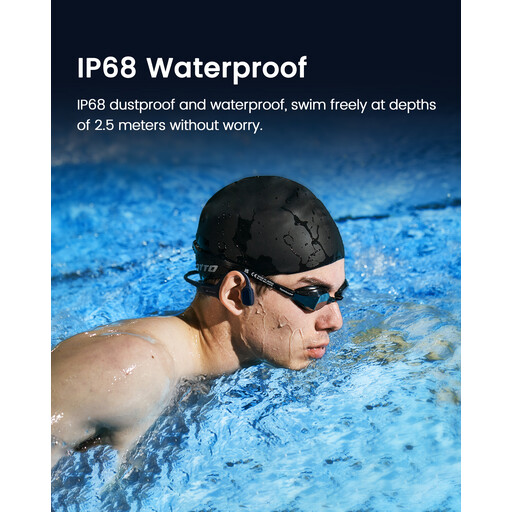
Why this model stands out: This is not your standard in-ear earbud. The Mojawa HaptiFit Terra uses bone conduction technology. Sound is transmitted through vibrations on your cheekbones, leaving your ears open. This is a major safety advantage when exercising outdoors.
Advantages:
Who is this for? Ideal for athletes, especially runners and swimmers, who are looking for waterproof earbuds for sports and prioritize safety and freedom.

Why this model stands out: The HTC NE40 distinguishes itself with its AI translation feature, which enables real-time translations via an app. The charging case with an LED display shows the status and adds a modern aesthetic.
Advantages:
Who is this for? A versatile choice for professionals and students who frequently communicate internationally or are looking for a multifunctional earbud for work, study, and travel.
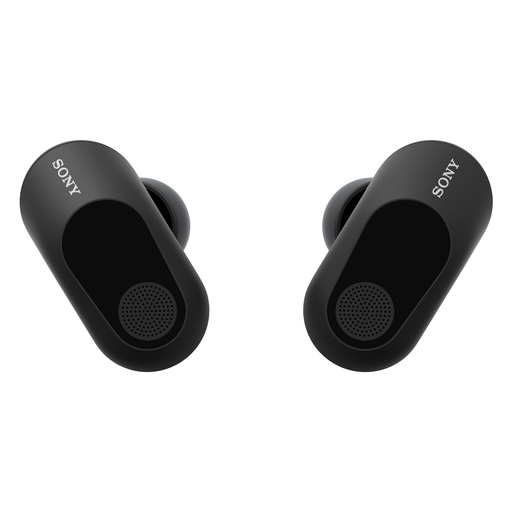
Why this model stands out: The Sony INZONE Buds are specifically designed for gamers. The focus is on low latency (<30ms) via the included USB-C dongle and 360 Spatial Sound, which allows you to pinpoint the position of sounds in games with high accuracy.
Advantages:
Who is this for? Primarily for gamers, but also for professionals who need low latency and superior microphone quality for video conferences.

Why this model stands out: The Soundcore Liberty 4 Pro focuses on a superior audio experience with advanced, adaptive noise cancelling. According to Anker, the system uses seven sensors to continuously adjust noise reduction to the environment.
Advantages:
Who is this for? For the audiophile and the daily commuter who demands the highest standards from both noise-cancelling performance and music playback.
The noise-cancelling wireless earbuds mentioned above offer excellent microphones for calls and meetings. However, for those who want to make professional recordings for podcasts, streaming, or presentations, a specialized solution is sometimes a better choice.
Check out our selection of Bluetooth wireless microphones for specific audio recording needs.
1. What is the difference between active and passive noise cancelling? Passive noise cancelling is the sound dampening you get from the physical seal the earbuds create in your ear canal. It works best against high-frequency, irregular sounds. Active noise cancelling (ANC) is an electronic technique that uses microphones to measure and neutralize low-frequency, constant noises (like engines or air conditioning). The combination of both provides the most effective sound isolation.
2. Are noise-cancelling earbuds suitable for sports? Yes, many models are suitable for sports. Pay attention to the IP rating. A rating of IPX4 means the earbuds are splash-proof and thus resistant to sweat and light rain. For more intense sports or use in all weather conditions, a higher rating (like IPX7) is recommended. Models like the Mojawa HaptiFit Terra are even fully waterproof.
3. How important is the microphone in earbuds for calls? The microphone is crucial. Inexpensive earbuds often have only one microphone that picks up both your voice and all ambient noise. Models designed for clear conversations use multiple microphones. One microphone focuses on your voice, while others measure the ambient noise. Smart software (often with AI) then filters out the noise, leaving only your voice. This makes a world of difference in intelligibility.
